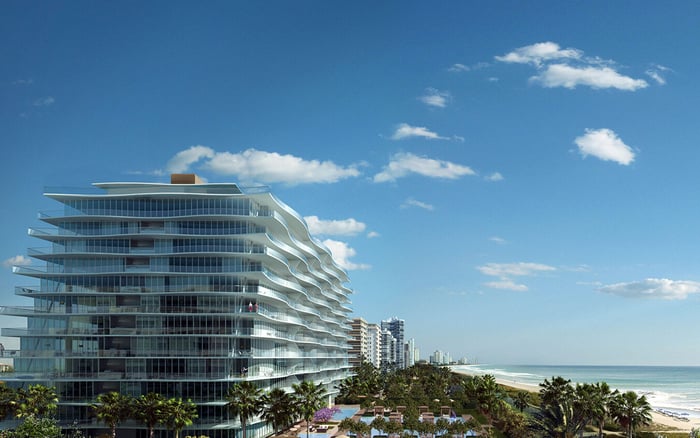
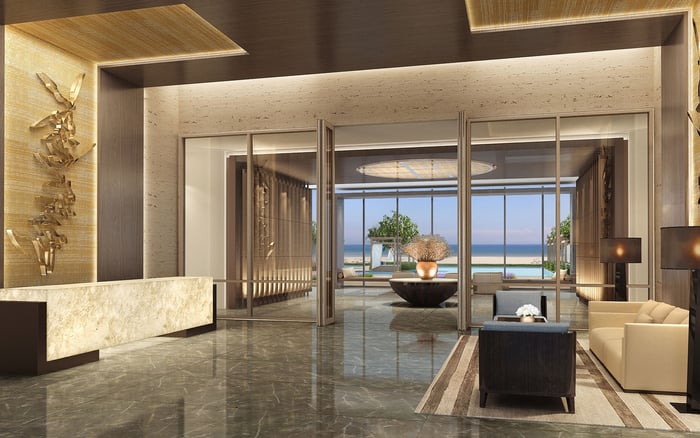
A discreet buyer’s guide to comparing Bentley Residences Sunny Isles and Ocean House Surfside through wellness credibility, indoor air quality, recovery planning, and the daily rhythm of ownership.
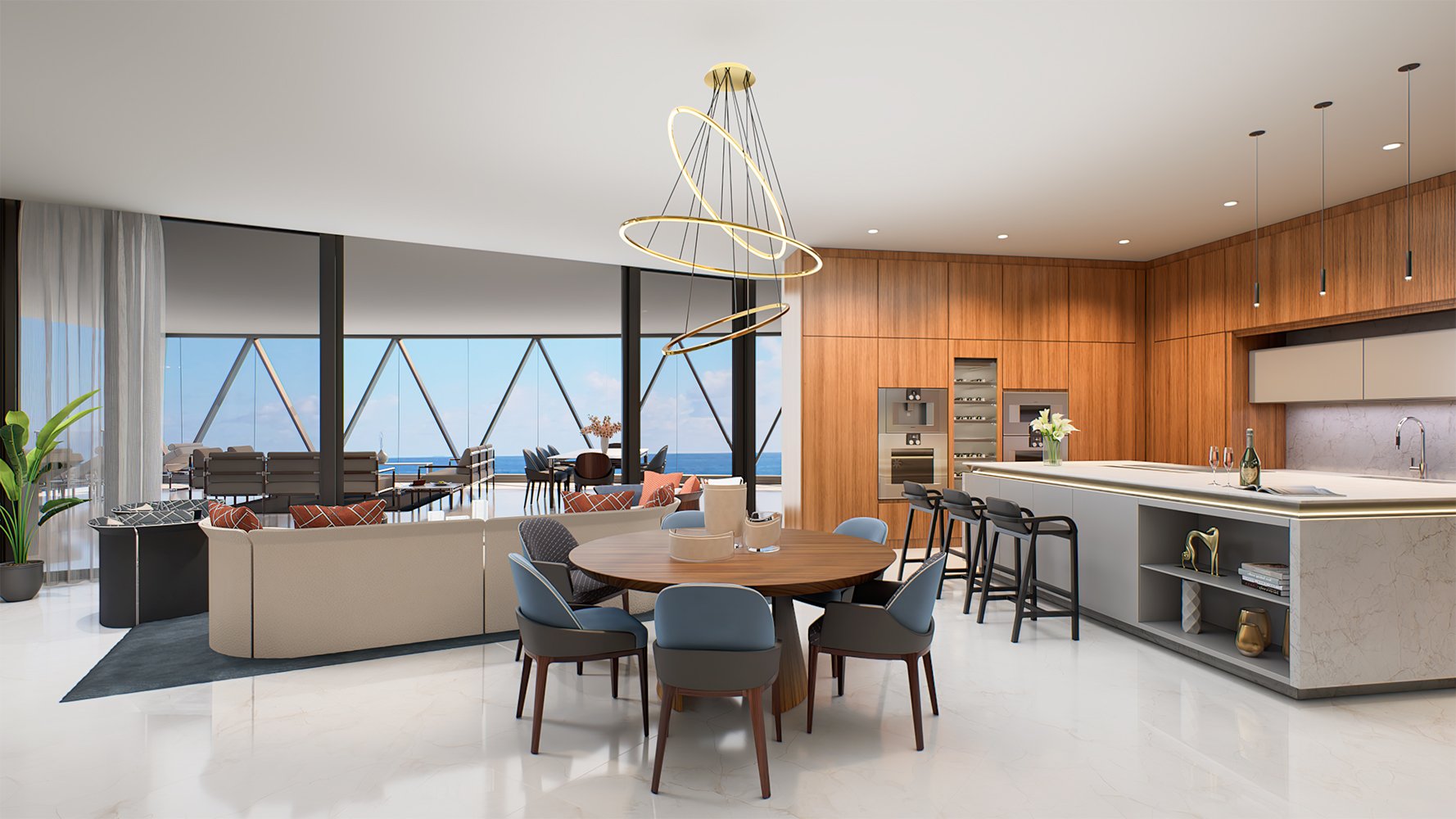
For the ultra-premium buyer, wellness is no longer a decorative amenity category. It has become part of the ownership experience itself, shaping how a residence feels at 7 a.m., how it performs after a long flight, and how much privacy surrounds the daily rituals that preserve energy. That is why the comparison between Bentley Residences Sunny Isles and Ocean House Surfside is less about which name sounds more compelling and more about how each buyer defines credible restoration.
In South Florida, the luxury market has become fluent in wellness language. Buyers now hear about spa environments, fitness programming, recovery lounges, calm interiors, filtered air, and resort-grade services with remarkable frequency. The more sophisticated question is whether those elements are meaningfully integrated into daily life or simply presented as a polished amenity narrative. A wellness-forward building should make the owner’s routine easier, quieter, cleaner, and more consistent.
This is where ownership expectations have changed. A second-home buyer may care most about decompression after travel. A primary resident may focus on indoor air, sleep quality, acoustic privacy, and the convenience of recovery spaces. A family may prioritize healthy common areas and calm circulation. The best decision is not universal. It depends on how the residence will be used.
The Bentley Residences Sunny Isles buyer is likely to begin with identity, design confidence, and the energy associated with Sunny Isles. The Ocean House Surfside buyer may be drawn to a more quietly residential interpretation of coastal living, where Surfside carries a different social and architectural tempo. Both can sit within the oceanfront conversation, but the wellness test is not won by address alone.
Credibility begins with verification. Buyers should ask what is actually specified, what is operationally supported, and what is available without friction. If a project presents wellness as central to the lifestyle, the next layer should include direct questions about mechanical systems, humidity management, filtration approach, maintenance protocols, material selections, acoustic planning, and how recovery-oriented amenities are scheduled, serviced, and kept private.
That level of diligence is especially important in new construction, where renderings can make every relaxation room appear serene. The real ownership value lies in whether a space will still feel calm during peak use, whether the resident journey is intuitive, and whether the building’s operating culture supports the promised standard. Wellness is a design idea, but it is also a management discipline.
Air quality has become one of the most consequential luxury finishes because it is felt continuously and rarely photographed well. Marble can impress in a showing. Air reveals itself over months of ownership. In South Florida, where humidity, salt air, heat, and seasonal usage patterns can all affect how interiors feel, buyers should treat indoor environmental quality as part of the premium specification.
The right questions are practical. How is fresh air introduced? How is filtration handled in residences and shared spaces? What is the approach to humidity control? How are mechanical systems maintained? Are amenity areas designed for comfort after intense use? Does the building’s wellness story extend beyond spa language into the less glamorous infrastructure that supports daily comfort?
For a buyer comparing Bentley Residences Sunny Isles and Ocean House Surfside, the answer may influence more than health perception. It can affect sleep, maintenance satisfaction, furniture preservation, and the willingness to spend longer stretches in residence. Air quality is not simply a wellness talking point. It is part of the property’s livability.
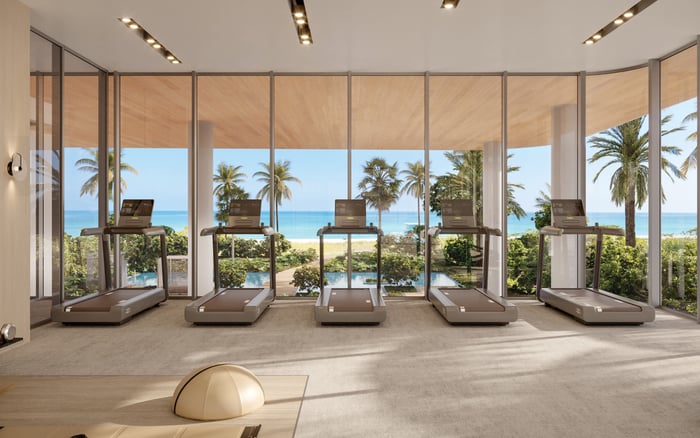
Recovery spaces are most valuable when they feel personal, not performative. A well-conceived recovery environment should allow an owner to move from intensity to stillness without feeling exposed. That can mean calm arrival sequences, logical adjacency to fitness areas, sufficient separation from social amenities, and reservation structures that preserve privacy.
Buyers should be cautious about evaluating these spaces only through a checklist. A cold or heat experience, treatment room, stretching zone, or quiet lounge, if offered, matters less as an individual feature than as part of a broader rhythm. Can a resident move through the space discreetly? Is the experience peaceful during high-demand hours? Is there room for both serious wellness users and casual residents without conflict?
This is why broader market comparisons can be useful. Wellness-branded references such as The Well Bay Harbor Islands and The Well Coconut Grove help buyers understand how wellness can function as a primary residential identity rather than a secondary amenity. They also sharpen the question for Bentley and Ocean House: is wellness presented as lifestyle polish, or is it embedded into the way an owner will actually live?
Location shapes wellness as much as amenity programming. Sunny Isles carries a particular vertical, international, oceanfront energy. Surfside is often evaluated through a quieter lens, with a more intimate coastal pace and proximity to established luxury enclaves. Those differences can matter deeply to buyers who define wellness through atmosphere rather than features.
A buyer drawn to Sunny Isles may want a residence that feels dynamic, design-forward, and visually dramatic. In that case, the wellness question becomes whether the private residence and building amenities create a strong counterbalance to the surrounding energy. The goal is contrast: arrival, privacy, restoration, and control.
A buyer drawn to Surfside may prioritize calm from the start. In that case, the test is whether the residence preserves that quiet while still offering enough depth in service, fitness, and recovery to support a complete lifestyle. Nearby luxury references such as The Delmore Surfside further demonstrate how Surfside buyers often value restraint, privacy, and architectural composure.
Neither model is inherently better. The more important question is which environment will make the owner use the residence more fully. Wellness value is realized when the home changes behavior: earlier mornings, better sleep, more consistent training, more time outside, and a stronger sense of retreat.
The most disciplined buyers will move beyond the brochure and build a wellness underwriting checklist. First, separate brand identity from operational proof. A recognizable name can be powerful, but the daily experience depends on execution. Second, ask for details on air, humidity, materials, sound, and amenity management. Third, walk through the owner’s likely day, from arrival to exercise to recovery to sleep.
Fourth, consider privacy. In ultra-luxury real estate, wellness is not only about access. It is about discretion. The most valuable spaces are often those that allow use without performance, waiting, or social obligation. Fifth, evaluate whether the building’s wellness program suits the buyer’s actual routine rather than an imagined lifestyle.
For some, Bentley Residences Sunny Isles will align with a desire for branded presence, coastal drama, and a high-energy Sunny Isles lifestyle. For others, Ocean House Surfside will feel more attuned to quiet restoration and the village-like rhythm of Surfside. The right answer is the one that makes the residence feel less like a trophy and more like a private instrument for living well.
Why does wellness credibility matter in luxury real estate? Because buyers are no longer satisfied with amenity language alone. They want systems, spaces, and operations that improve daily life.
How should buyers compare Bentley Residences Sunny Isles and Ocean House Surfside? Start with lifestyle rhythm, then verify air quality, privacy, recovery spaces, and how wellness amenities will be managed in practice.
Is air quality really a luxury feature? Yes. Indoor air, humidity control, and filtration influence comfort, sleep, maintenance, and long-term enjoyment of the residence.
What makes a recovery space valuable? A recovery space is most valuable when it is private, calm, easy to access, and integrated into the owner’s daily routine.
Should buyers trust wellness branding? Branding can be helpful, but it should be supported by specifications, operating standards, and a clear resident experience.
Does Sunny Isles offer a different wellness experience than Surfside? Yes. Sunny Isles often feels more energetic and vertical, while Surfside may appeal to buyers seeking a quieter coastal rhythm.
What should a buyer ask about before purchasing? Ask about ventilation, filtration, humidity control, acoustic privacy, amenity access, service protocols, and maintenance standards.
Are wellness amenities more important for primary homes or second homes? They matter for both. Primary residents use them consistently, while second-home owners often value restoration after travel.
Can wellness features affect resale appeal? They can, especially when they are credible, well maintained, and aligned with how high-end buyers actually want to live.
What is the simplest way to decide between these two projects? Choose the setting and wellness philosophy that will make you use the residence more often, more privately, and with greater ease.
For a confidential assessment and a building-by-building shortlist, connect with MILLION.
If branded residences are on your mind — as a home or as an allocation — we would be glad to share what we are seeing, privately.
Begin a quiet conversation