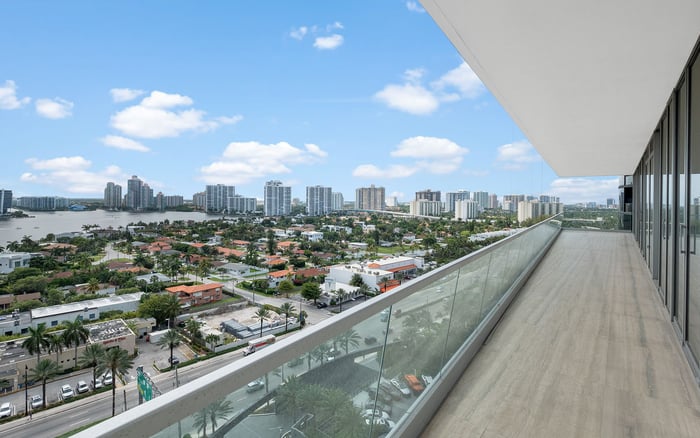
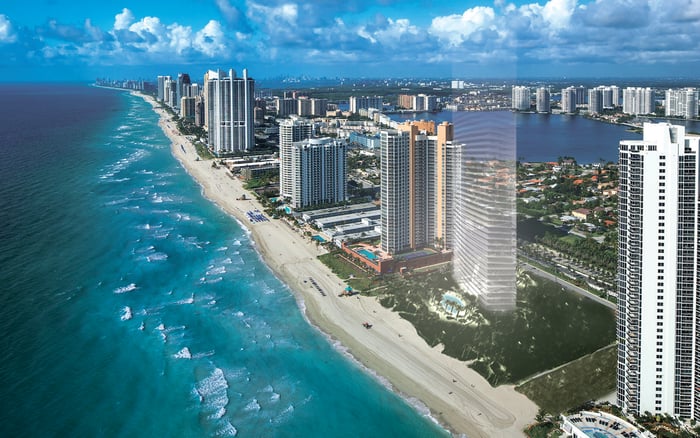
A disciplined review of association records can reveal governance quality, financial exposure, contract risk, and potential assessments before a Sunny Isles Beach condominium closing.

In Sunny Isles Beach, purchasing a condominium also means entering a private financial and governance structure. Architecture, water views, amenities, and service culture may shape the initial attraction, but the association's records reveal how the property is managed-and what obligations may follow the closing.
Florida condominium associations operate under Chapter 718 of the Florida Statutes and Chapter 61B of the Florida Administrative Code. Their official records include meeting minutes, accounting records, bids, and written contracts to which the association is a party. For a buyer comparing established oceanfront properties such as Jade Signature Sunny Isles Beach and Muse Residences Sunny Isles Beach, these materials provide essential context beyond finishes and floor plans.
The most revealing issue is often not a single expense, but a pattern of delayed decisions.
A practical request should encompass recent financial statements, current and prior budgets, reserve information, special-assessment notices, board and membership minutes, major written contracts, insurance records, engineering materials, and litigation information. Buyers should obtain minutes through the seller, the association disclosure process, or an authorized records request-not assume they can exercise an owner's statutory inspection rights before closing.
Review approximately 12 to 24 months of minutes. For an older condominium, at least two complete years can provide a clearer view of recurring issues and board responses. The point is not volume for its own sake, but chronology: when a concern first appeared, what the board commissioned, how quickly it acted, what funding it discussed, and whether a final decision followed.
This records-first approach belongs in any serious set of buyer's guides, particularly for a resale acquisition, where the buyer inherits an operating history rather than a blank slate.
Minutes can reveal repeated maintenance concerns, delayed repairs, owner complaints, attorney-fee spending, unresolved disputes, and preliminary discussions of future assessments. Search for recurring references to the same elevator, facade, waterproofing, amenity, staffing, or insurance concern. A single mention may reflect ordinary administration. Repetition without a documented resolution warrants closer inquiry.
Pay particular attention to engineering reports, reserve shortfalls, proposed capital work, funding alternatives, vendor presentations, and votes. Organized minutes, clear agendas, documented motions, and transparent voting records are practical signs of stronger governance. Vague entries recurring across multiple meetings may suggest that an issue remains unsettled.
For an investment or second-home buyer considering the waterfront lifestyle at The Ritz-Carlton Residences® Sunny Isles, governance review remains relevant even if the residence will be occupied only seasonally. Ownership obligations continue regardless of personal use.
Litigation is not automatically a reason to reject a building. Its significance depends on the dispute's subject, claimed damages, insurance response, legal expenses, repair implications, and any associated assessment. Repeated references to the same unresolved matter or substantial attorney fees may indicate continuing exposure that warrants review by a Florida condominium attorney.
Minutes may address a lawsuit only at a high level because privileged advice and protected information may not be available to a buyer. Request the relevant disclosure, identify the parties and case, ask whether insurance is defending or reserving rights, and determine whether the budget includes expected legal costs. If the matter is material, supplement association communications with a court-record search. Lien and foreclosure disputes, in particular, may depend on notices and supporting records not fully explained in meeting summaries.
Association contracts can shape both service quality and carrying costs. Review significant agreements covering management, security, valet, elevators, amenities, maintenance, and construction. Match each material contract to the meeting minutes approving it, then compare its economics with budgeted and actual expenses.
Focus on duration, automatic-renewal provisions, termination rights, price escalators, performance standards, and scope of services. A polished amenity program can still impose contractual rigidity. Conversely, a higher expense may be rational if the agreement documents meaningful staffing, maintenance, or performance requirements. The records should enable the buyer's advisers to understand not only what the association pays, but what it receives and how readily it can change course.
That distinction is especially important in service-intensive communities, including The Estates at Acqualina Sunny Isles, where the ownership experience is closely tied to the association's operational discipline.
Florida law creates a rebuttable presumption of conflict when a condominium director, officer, or relative contracts with the association, or holds an interest in a business seeking or conducting association business. Potentially conflicted activity must be disclosed to the board, placed on the agenda with the contract documents attached, and recorded in the minutes.
A conflicted contract generally requires approval by two-thirds of the directors present other than the interested director, and the membership may later vote to cancel it. In the records, look for disclosed relationships, abstentions, unusual voting patterns, repeated use of connected vendors, or incomplete discussions of competing bids. None proves that an arrangement is unfavorable, but each warrants examination of the underlying agreement, approval process, pricing, and independent legal advice.
The central question is whether the process was transparent, properly documented, and demonstrably aligned with the association's interests.
Minutes are most useful when tested against other documents. Compare capital-project discussions with the budget, reserve balances, engineering materials, assessment notices, contracts, insurance records, and litigation disclosures. For an older condominium, compare the Structural Integrity Reserve Study with current funding and subsequent board decisions. An identified project without corresponding reserves or a financing plan may signal future owner contributions.
Create a simple chronology for every material issue: identification, professional review, bids, approval, funding, contract execution, and completion. Gaps between these stages are often more revealing than any single document. Ask an engineer or reserve specialist to interpret technical findings and funding gaps, while counsel evaluates material litigation, governing documents, conflicts, and contractual protections.
Before the inspection or diligence period expires, determine who must pay any approved assessment and address pending but unapproved projects expressly in the purchase contract. Confirm that seller representations, association responses, and current records are consistent. If a significant issue remains unresolved, counsel can advise whether a credit, escrow, condition, or other protection is appropriate.
The objective is not to find a building without disputes, repairs, or contracts. It is to determine whether decisions are timely, exposures are measurable, obligations are funded, and governance is sufficiently transparent to support a confident acquisition.
For discreet guidance on evaluating Sunny Isles Beach opportunities, consult MILLION.
If branded residences are on your mind — as a home or as an allocation — we would be glad to share what we are seeing, privately.
Begin a quiet conversationReview roughly 12 to 24 months. Older buildings may justify examining at least two complete years to identify recurring issues.
A buyer should not assume access to an owner's statutory inspection rights. Obtain records through the seller, association disclosure process, or an authorized request.
It should include financial statements, budgets, minutes, reserve information, assessment notices, major contracts, insurance records, engineering materials, and litigation information.
Repeated unresolved repairs, reserve shortfalls, substantial attorney fees, delayed votes, recurring complaints, and discussion of future assessments deserve closer review.
Not necessarily. Evaluate the dispute's subject, claimed damages, insurance response, legal costs, repair implications, and possible assessment exposure.
Review material management, security, valet, elevator, amenity, maintenance, and construction agreements currently in force.
Examine its duration, automatic renewals, termination rights, price escalators, performance obligations, approval history, and consistency with association expenses.
Conflict disclosures, director abstentions, unusual voting patterns, vendor connections, or an officer's or relative's business interest can warrant deeper examination.
The comparison helps determine whether identified structural work aligns with reserve balances, current funding, and recent board decisions.
Confirm who must pay an approved assessment and address pending but unapproved projects expressly before the diligence period and closing.