In a highly serviced residence, the most consequential luxury may be circulation that works quietly. Buyers should test elevator privacy, valet choreography, guest handling, deliveries, staffing, and backup procedures before assigning a premium to convenience.

In Hillsboro Beach, the ownership equation extends beyond views, finishes, and floor plans. A private elevator and a polished valet arrival shape the recurring moments of residence: coming home, receiving guests, admitting household staff, accepting deliveries, and departing during a busy period. These systems warrant the same scrutiny as the residence itself.
The point is not to assume that private access or valet service automatically creates value. It is to determine whether each system is thoughtfully designed, clearly governed, and aligned with the owner's routines. Buyers exploring the Hillsboro Beach market can begin with Rosewood Residences Hillsboro Beach, then use the questions below to structure a precise review of access and arrival.
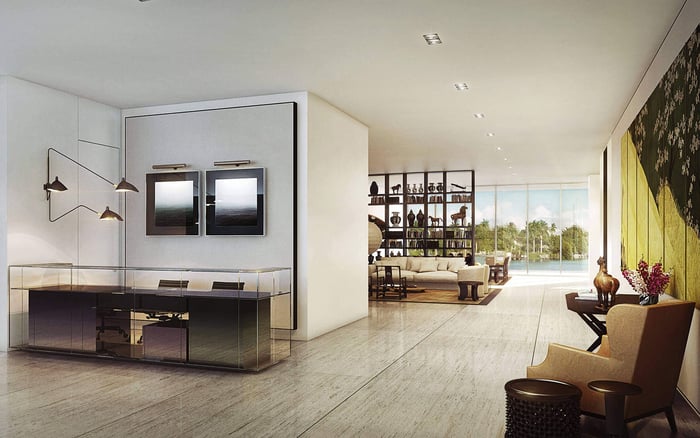
The phrase can describe distinct physical and operational arrangements. An elevator may open directly into a residence, into a private vestibule, or onto a landing shared under limited conditions. Before assigning a premium to the feature, ask where the cab opens, who can authorize access to the floor, and how visitors are admitted.
Access control matters as much as architecture. Request a demonstration of resident credentials, guest permissions, staff access, service mode, and the procedures used when technology or power is interrupted. Determine whether movers, contractors, deliveries, and pets use the same cab. A beautiful arrival can feel less private when service traffic follows the same path without clear scheduling or separation.
Inspect the threshold itself. Consider sightlines from the elevator, acoustic separation, package placement, climate control, and the distance to a secondary exit. Oceanfront ownership rewards elegance, but daily confidence comes from understanding precisely how the sequence functions.
Valet is not merely an amenity. For an owner who drives frequently, it becomes part of the home's circulation plan. The essential questions concern choreography: where vehicles enter, where they wait, how guests are identified, where keys are held, and what happens when several residents request cars at once.
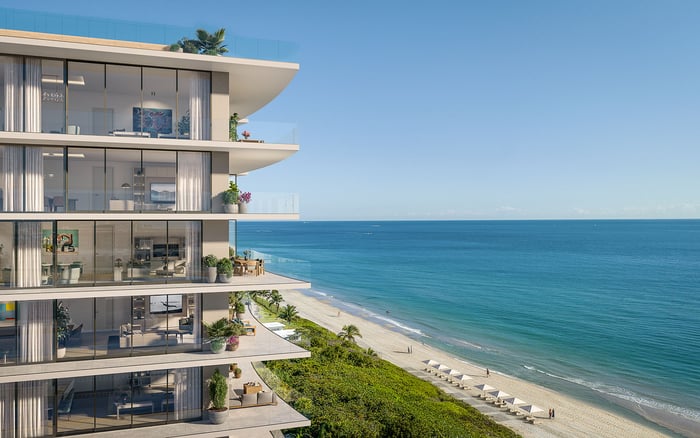
Visit under more than one condition if possible. Observe a quiet arrival, then evaluate a busier window. Time a retrieval, follow the pedestrian route from vehicle to lobby, and note whether waiting vehicles interfere with departures, deliveries, or guest drop-offs. Waterfront weather can also make the extent of the covered transition important to personal comfort, even when the distance appears short on a plan.
Policies deserve equal attention. Ask whether self-parking is available, how overnight guests are handled, whether owners may call ahead, and how oversized or specialty vehicles are accommodated. The relevant issue is not whether one protocol is universally superior, but whether it suits the owner.
Private elevator access can reduce corridor exposure, while valet can eliminate the repetitive task of parking. Yet both systems introduce dependencies. Elevators require procedures for service interruptions and controlled access. Valet relies on staffing, communication, vehicle custody, and consistent execution.
The ownership equation should therefore include four columns: privacy gained, time saved, operational dependency, and ongoing cost. Review the budget and governing documents for the treatment of staffing, maintenance, access rules, and owner responsibilities. Ask what is included in regular charges and what may generate a separate expense.
Lifestyle value is personal. A primary resident who comes and goes several times a day may assess valet differently from a seasonal owner. A household with frequent guests or staff may place greater emphasis on permission controls. The premium is most defensible when the system supports real behavior rather than an abstract notion of luxury.
A serious tour should begin at the street and end inside the home. Drive the entry, pause at the handoff point, walk to the lobby, call the elevator, and test the transition into the residence. Then reverse the route as though leaving for an appointment. Repeat the exercise while accounting for luggage, children, pets, groceries, or a guest who has never visited.
Ask the sales or management representative to demonstrate rather than summarize. Test credentialing, guest entry, vehicle retrieval, package handling, and the backup plan. In a Broward comparison, buyers may study Armani Casa Residences Pompano Beach and Auberge Beach Residences & Spa Fort Lauderdale as additional coastal reference points without presuming their access models are identical.
The best comparison set goes beyond asking which property lists a private elevator or valet. Compare the entire chain of movement and control. 2000 Ocean Hallandale Beach can serve as another project in a buyer's broader coastal review, particularly when evaluating how different residences approach arrival, privacy, and service.
Create a simple scorecard covering elevator exclusivity, visitor authorization, service circulation, vehicle retrieval, covered arrival, backup procedures, and policy clarity. Weight each category according to personal use. This turns an evocative amenity discussion into a disciplined ownership decision.
Marketing language is an introduction, not the final operating framework. Read the declaration, rules, budget, parking provisions, management materials, and any purchase documents relevant to access or services. Confirm which representations are contractual, which reflect current operating practices, and which may change through future governance.
Specialized legal, financial, insurance, and inspection advice remains essential. The objective is to understand not only what the residence offers at purchase, but also how the building is structured to deliver that experience over time.
Does a private elevator always open inside the residence? No. Confirm whether it opens into the home, a private vestibule, or another controlled landing.
What elevator access controls should a buyer test? Test resident credentials, guest authorization, staff permissions, service mode, and backup entry procedures.
Should deliveries use the private elevator? That depends on the property's rules and circulation plan. Ask how packages, food, contractors, and movers are routed.
Why test valet service during a busy period? A busier period can reveal how queues, retrieval requests, guest arrivals, and pedestrian movement interact.
Is self-parking necessarily better than valet? Not universally. The better arrangement is the one that matches the owner's desired control, timing, and convenience.
Which valet policies deserve close review? Review key custody, call-ahead requests, guest parking, overnight procedures, vehicle restrictions, and liability terms.
How can elevator access affect privacy? Floor permissions and visitor controls can limit unplanned access, but buyers should verify the actual configuration and rules.
What documents may clarify these amenities? Review governing documents, budgets, parking provisions, operating rules, management materials, and purchase documents.
How should a buyer value these features? Measure time saved and privacy gained against operational dependency, recurring costs, and the household's actual routines.
What is the most useful final pre-purchase test? Complete the full arrival and departure sequence with the people, vehicles, and everyday scenarios relevant to the household.
For a confidential assessment and a building-by-building shortlist, connect with MILLION.
If branded residences are on your mind — as a home or as an allocation — we would be glad to share what we are seeing, privately.
Begin a quiet conversation