A buyer-focused ranking of the five residence configurations best suited to substantial terraces, with practical guidance for evaluating privacy, proportions, exposure, circulation and year-round outdoor use in Bal Harbour.
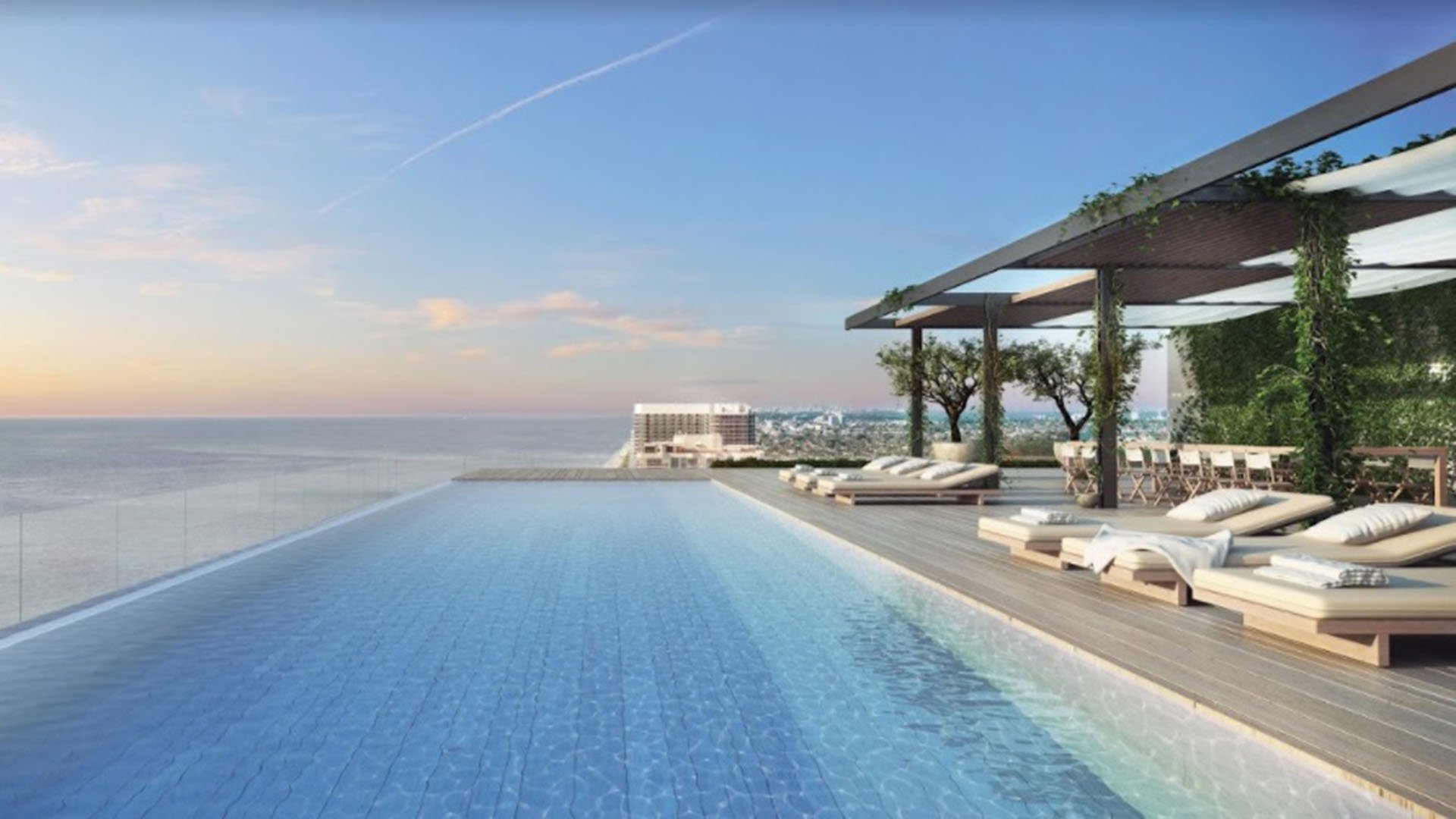
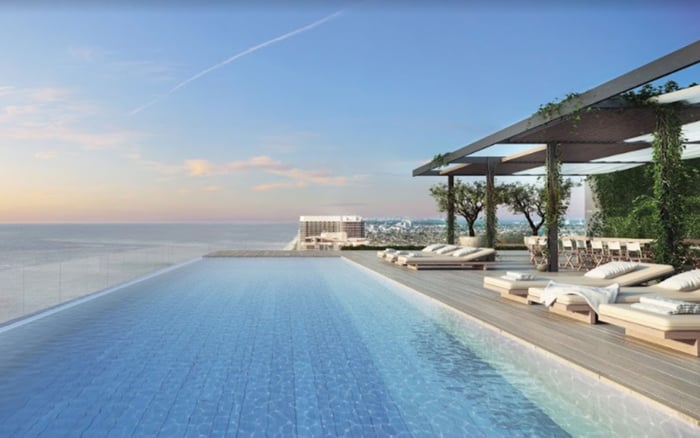
In Bal Harbour, outdoor space can be more than a visual amenity. For buyers who entertain, dine outside, read in the shade, or simply value a meaningful transition between interior and water, the terrace deserves the same scrutiny as the living room. Area alone is not enough. Depth, proportion, exposure, access, and privacy determine whether exterior square footage becomes part of daily life.
This buyer’s guide ranks five residence configurations by their potential to support usable outdoor rooms. Because layouts can vary within a single building, buyers should evaluate the exact floor plan and residence rather than rely on a broad building-level description. A generous balcony may frame a view beautifully, while a deeper terrace can accommodate several distinct functions with greater ease.
1. Full-floor residence - strongest potential for multiple outdoor zones
A full-floor plan can offer the clearest framework for separating outdoor uses. Where terraces connect to different interior rooms, an owner may be able to establish dining, lounging, and private retreat areas without forcing every activity into a single exposed setting.
The essential test is circulation. Buyers should examine whether primary rooms open directly outside, whether service routes cross entertaining areas, and whether the terrace shape permits furniture groupings without obstructing doors or sightlines.
2. Corner residence - broad exposure with opportunities for shelter
Corner layouts can provide more than one orientation, potentially creating contrasting outdoor experiences throughout the day. One portion may feel open and panoramic, while another may offer a more protected setting, depending on the residence’s precise architecture and position.
Review the relationship among glass lines, structural columns, and terrace edges. A dramatic corner is most useful when seating can be arranged comfortably without constricting circulation or compromising privacy.
3. Penthouse residence - elevated privacy and flexible entertaining
A penthouse can be compelling for buyers seeking a more private outdoor atmosphere and a terrace program with ceremonial appeal. Its value, however, depends on more than elevation. Shade, wind conditions, adjacent mechanical elements, and practical access all warrant close inspection.
The strongest candidate will allow guests to move intuitively between the principal entertaining room and the exterior. Dedicated access from a private suite can also make part of the terrace feel personal rather than entirely social.
4. Flow-through residence - differentiated water-facing experiences
A flow-through layout may support outdoor areas on opposing sides of the home, creating a useful distinction between arrival-facing and water-facing settings. This can appeal to owners who want a prominent entertaining terrace and a quieter secondary outdoor room.
Confirm which spaces have direct access and how exposure changes throughout the day. Two terraces are not automatically more functional than one deep terrace, particularly if either is too narrow for the intended furniture.
5. Garden or lower-floor residence - intimacy over altitude
For buyers who prioritize a sheltered, room-like atmosphere over maximum elevation, a lower-floor configuration may merit attention. The appeal lies in scale, enclosure, and ease of movement, provided privacy and outlook are satisfactory.
Study landscape buffers, neighboring sightlines, and any rules governing planters, lighting, or furnishings. A carefully proportioned outdoor area can feel composed and residential even without a high-floor perspective.
Within Bal Harbour, buyers can begin by comparing currently relevant plan options at Oceana Bal Harbour and Rivage Bal Harbour. The useful question is not which name carries the broadest promise, but which individual residence aligns with the owner’s routines.
Request dimensioned plans and identify the terrace’s narrowest points. Mark door swings, columns, and circulation paths before placing a dining table, loungers, or substantial planters. Then assess whether the remaining clearances still allow several people to move comfortably. A terrace may appear expansive in total yet function like a corridor if much of its area is shallow or interrupted.
For broader oceanfront context, nearby The Delmore Surfside and The Surf Club Four Seasons Surfside can help buyers refine their preferences before returning to the Bal Harbour search. These are comparative references in neighboring Surfside, not substitutes for residence-specific review.
A successful outdoor room has a clear purpose. Dining requires sufficient depth for chairs to pull back. Lounging calls for comfortable furniture orientation and uncluttered movement. A private morning terrace benefits from direct bedroom or kitchen access. If one exterior area must serve every function, movable furniture and a disciplined layout become especially important.
Exposure also shapes usability. Buyers should visit at different times when possible and consider sun, wind, rain, glare, and sound. On a waterfront site, conditions can vary noticeably by orientation and elevation. Retractable elements, outdoor kitchens, heaters, screens, planters, and lighting may be subject to building rules, approvals, and maintenance considerations, so assumptions should be confirmed before purchase.
Privacy deserves equal weight. Review views from neighboring residences, amenity decks, and surrounding properties. Railings, parapets, and landscaping can influence both seated and standing sightlines. The most cinematic outlook is not always the most comfortable setting for everyday use.
Request the exact residence plan, current photographs, and any available documentation governing terrace use. Confirm what is included in the sale, which exterior finishes are maintained by the owner, and whether furniture or improvements require approval. Where applicable, a specialist inspection should address drainage, thresholds, doors, waterproofing, and visible wear.
Finally, test the route from the kitchen to the dining area, from the primary suite to private seating, and from the interior living space to the main entertaining zone. Large outdoor square footage is most valuable when it feels effortless. In luxury real estate, convenience is often the difference between a terrace admired through glass and one used every day.
What is the most important terrace dimension? Depth is often decisive because it affects furniture placement, circulation, and whether dining chairs can move comfortably.
Is a wraparound terrace always better? No. Its value depends on usable depth, privacy, exposure, structural interruptions, and direct access from important rooms.
Should buyers prioritize one large terrace or several smaller ones? Choose according to routine. One deep terrace may suit entertaining, while separate terraces can distinguish social and private uses.
How should outdoor furniture be tested against a floor plan? Place scaled furniture on a dimensioned plan, then preserve clear paths at doors, corners, and primary circulation routes.
Why visit a residence at different times of day? Sun, glare, shade, wind, and neighboring activity can change the character and comfort of an outdoor area.
Do high floors guarantee better outdoor living? Not necessarily. Elevation may enhance outlook and privacy, but wind, exposure, and lack of shelter can affect comfort.
What should entertainers examine first? Review kitchen access, serving routes, dining depth, guest circulation, and the relationship between interior and exterior seating.
Can terrace features be added after purchase? Possibly, but planters, lighting, kitchens, screens, and other additions may require building approval and professional review.
What documents should a buyer request? Ask for the exact floor plan, applicable rules, alteration requirements, and available records relevant to exterior maintenance.
How can MILLION help with a terrace-led search? MILLION can help identify suitable residences, compare layouts, and coordinate focused due diligence around outdoor priorities.
For a discreet conversation and a curated building-by-building shortlist, connect with MILLION.
If branded residences are on your mind — as a home or as an allocation — we would be glad to share what we are seeing, privately.
Begin a quiet conversation