A practical framework for aligning a South Florida condo purchase with yacht travel, property oversight, arrival routines, and discreet lock-and-leave living.

For a yacht owner, a South Florida condo is rarely an isolated purchase. It is one element in a broader rhythm of embarkations, maintenance periods, family stays, international travel, and unplanned returns. The most useful buyer’s guides therefore begin with movement, not finishes.
Before touring, set the yacht’s anticipated operating periods alongside the household calendar. Mark when the residence will be occupied, when guests may arrive without the owner, and when it could remain closed for extended intervals. This exercise clarifies whether the priority is immediate waterfront access, proximity to private aviation, a highly serviced arrival, or a quieter retreat between voyages.
A second home should reduce friction. If it adds layers of coordination each time the owner leaves, aesthetic appeal will not compensate for an impractical operating model.
Treat every departure as a repeatable procedure. The routine should identify who checks doors and terraces, receives deliveries, monitors climate controls, inspects for leaks, manages vehicles, and prepares the residence for a return. It should also establish who has the authority to act when the owner is unreachable.
Ask building management to explain the process in practical terms. How are vendors admitted? Can household staff receive credentials? What happens when a package arrives during a long absence? How are urgent maintenance decisions communicated? A polished answer is useful; a written protocol is better.
Technology should complement human oversight, not replace it. Remote access, environmental alerts, cameras where permitted, and documented inspection logs can create visibility. A designated local representative can exercise judgment when an alert requires an in-person response.
Luxury buyers often focus on the residence first. Seasonal owners should reverse that sequence and study the building’s management culture, access controls, service continuity, reserve planning, insurance framework, emergency procedures, and rules governing staff and guests.
Request the documents relevant to ownership and have qualified advisers review them. Pay particular attention to restrictions that could affect household operations, renovations, vehicle storage, deliveries, pets, and extended guest stays. The objective is not simply compliance, but determining whether the building can support the way the household actually functions.
Waterfront positioning deserves equal scrutiny. A water view and practical access are distinct considerations. If marina proximity matters, test the complete journey between the residence and vessel at the hours the household is most likely to travel. Include luggage, provisions, security checkpoints, drivers, and weather contingencies in that rehearsal.
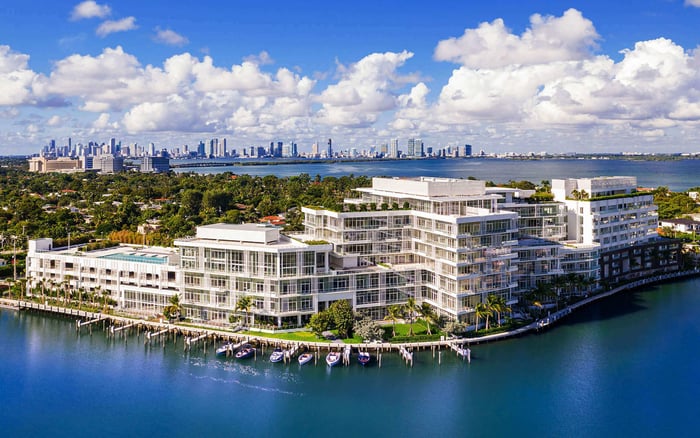
The right address depends on what must happen before and after time aboard. Fort Lauderdale may enter the conversation for buyers who want to consider the condominium and yacht routine together. A viewing at St. Regis® Residences Bahia Mar Fort Lauderdale can serve as one reference point when comparing access, staffing rules, privacy, and departure logistics across the area.
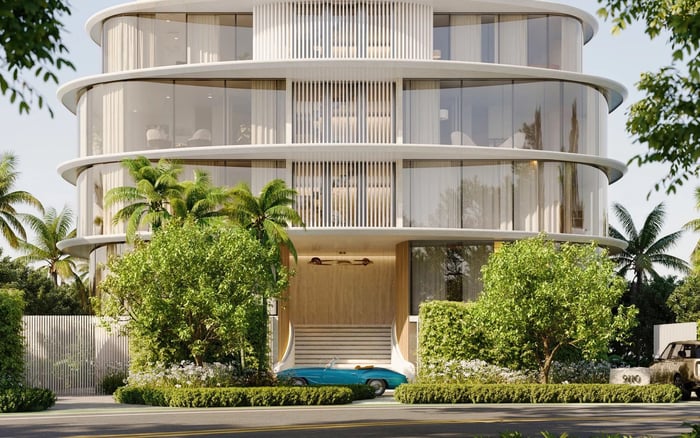
Miami Beach may suit an owner whose shore schedule emphasizes dining, culture, and social commitments. Rather than assuming the lifestyle fits, rehearse a typical arrival at The Perigon Miami Beach with the same discipline applied to the vessel itinerary.
For a more residential island setting, include Onda Bay Harbor in a broader comparison of driving routes, guest access, household provisioning, and local oversight. Buyers considering northern coastal options can likewise assess The Ritz-Carlton Residences® Palm Beach Gardens against their preferred airports, social calendar, and yacht-related movements.
These links are starting points, not substitutes for diligence. Waterfront appeal should always be weighed against the daily mechanics of ownership.
Before deciding, simulate a six-week absence. Assign every anticipated task to a person, building service, or outside provider. Determine how instructions will be transmitted, how access will be recorded, and how exceptions will be handled. Then simulate a return with less than a day’s notice.
A strong candidate should pass both tests without relying on improvisation. The residence should remain secure while empty, straightforward to supervise, and ready to inhabit with minimal intervention. For the seasonal buyer, that operational calm is a meaningful form of luxury.
Should the yacht itinerary come before the condo search? Yes. It helps define likely occupancy, departure demands, and the services that matter most.
What is the first lock-and-leave question to ask management? Ask for the exact procedure followed when an owner is absent and an urgent issue occurs.
Is remote monitoring enough for a seasonal residence? Usually not on its own. Pair technology with a trusted person authorized to inspect and respond.
How should buyers evaluate building access? Test how owners, guests, staff, vendors, deliveries, and drivers are handled in real situations.
Does a water view guarantee convenient yacht access? No. Measure the complete door-to-vessel journey under the conditions you expect to encounter.
What records should an owner keep before departing? Maintain current contacts, access permissions, inventories, service instructions, and inspection logs.
Should household staff participate in condo tours? When appropriate, yes. They can identify operational constraints that may otherwise be overlooked.
How important are guest rules? They are essential if family or friends may use the residence while the owner is away.
What makes a residence truly lock-and-leave? Clear procedures, accountable oversight, controlled access, and a reliable return-preparation plan.
What should happen before making an offer? Complete legal, financial, insurance, building, and operational diligence with qualified advisers.
If you'd like a private walkthrough and a curated shortlist, connect with MILLION.
If branded residences are on your mind — as a home or as an allocation — we would be glad to share what we are seeing, privately.
Begin a quiet conversation