A discreet, buyer-oriented guide to evaluating beachfront erosion exposure, mitigation readiness, association governance, insurance posture, and long-term value when purchasing in Sunny Isles in 2026.
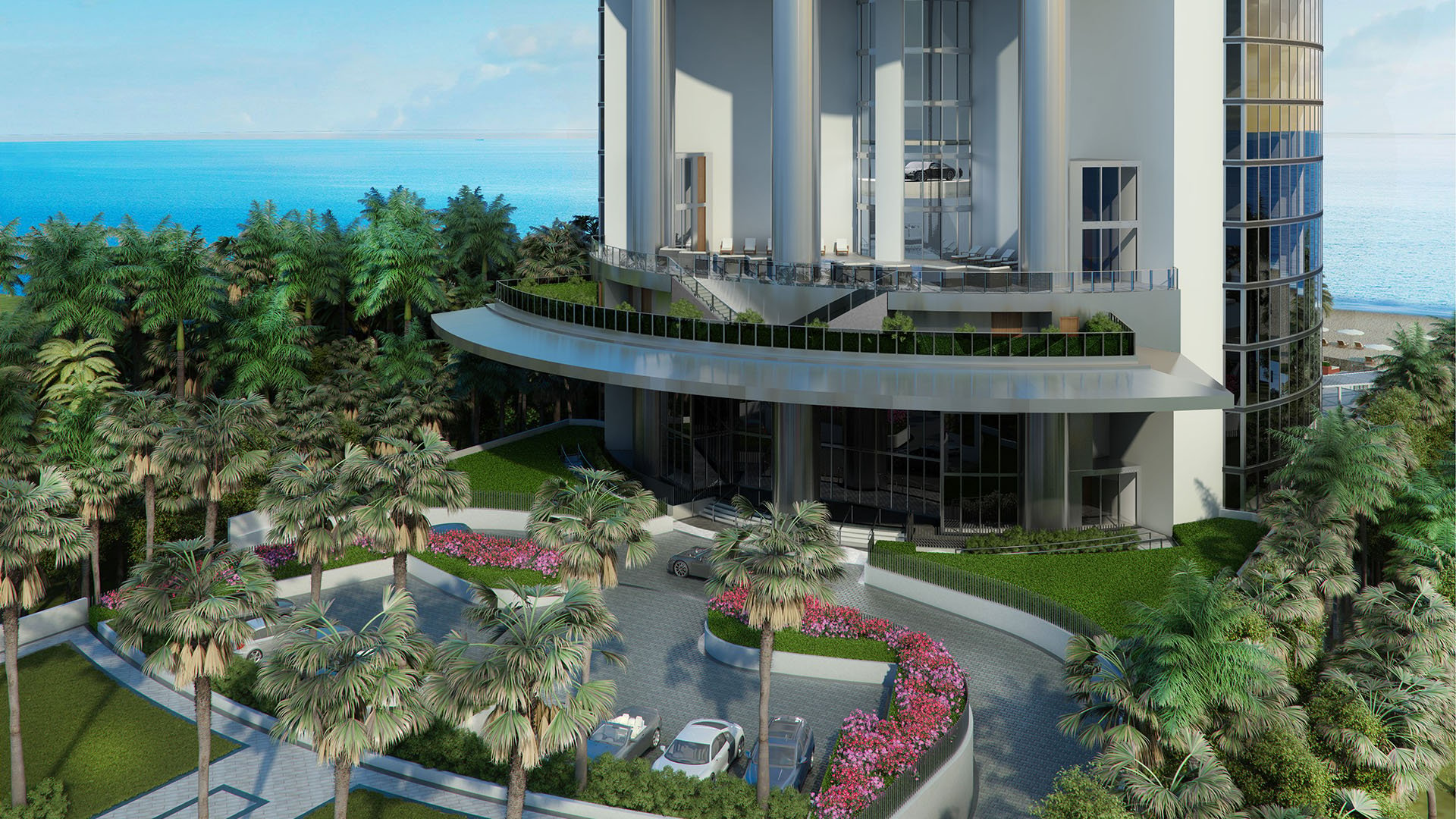
For Sunny Isles buyers, the beachfront decision in 2026 is no longer only about elevation of taste: the arrival sequence, the glass line, the sunrise terrace, and the service culture. It is also about the relationship between the building, the beach, and the long horizon of coastal stewardship. Erosion mitigation now belongs in luxury due diligence because the beach is not merely scenery. It is the foreground of daily life, the buffer between ocean energy and private property, and a component of perceived value.
The most sophisticated buyers are not retreating from the ocean. They are asking sharper questions. They want to understand how a building is maintained, how its association communicates, how capital planning is handled, and how the property’s beachfront condition may shape the ownership experience over time. In that sense, Sunny Isles remains compelling precisely because its best residences invite a more mature form of analysis: beauty first, but never beauty alone.
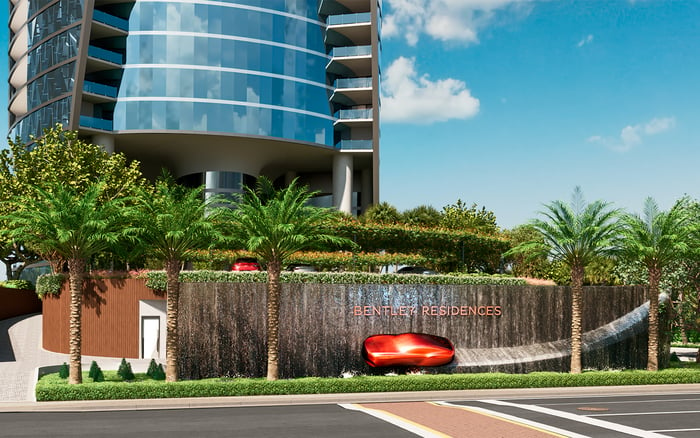
A buyer considering Bentley Residences Sunny Isles, for example, should not treat coastal review as a separate technical appendix. It belongs beside floor-plan selection, parking, services, finishes, and views. The right purchase file reads like a complete portrait of lifestyle and resilience.
Mitigation is often misunderstood as a single wall, a single repair, or a single line item. For a purchaser, it is better understood as a layered discipline. At the shoreline, it may involve beach condition, access points, dune sensitivity where applicable, drainage patterns, and the way the building edge meets the coastal environment. At the property level, it includes structural maintenance, waterproofing priorities, lobby and garage exposure, mechanical vulnerability, and protocols after severe weather.
At the association level, mitigation becomes governance. Buyers should look for clarity in meeting materials, reserve planning, insurance discussions, engineering commentary, and the cadence of maintenance decisions. A residence may be visually immaculate, but the more important question is whether the building’s leadership is proactive or reactive. In a beachfront market, that distinction is not cosmetic. It is financial, operational, and emotional.
The vocabulary may sound technical, yet the goal is simple: preserve access, protect comfort, reduce uncertainty, and support long-term desirability. A luxury buyer is not expected to become a coastal engineer. The buyer is expected to assemble the right advisory circle and know which documents deserve attention before signing, not after closing.
A beachfront condominium should be read in layers. Start with the sand and move inward. How is beach access experienced? Is the transition from residence to shore orderly, private, and well maintained? Are exterior areas cared for in a way that suggests disciplined operations? A refined arrival can tell part of the story; exterior maintenance often tells another.
Then look at the building envelope. Balconies, railings, glazing, waterproofing, pool decks, and garage areas are not merely functional elements. They are part of the ownership thesis. Buyers focused on oceanfront living should understand that salt air, wind, water, and sun place continuing demands on exposed properties. The issue is not whether maintenance will be required. It will. The issue is whether the building appears prepared to fund and manage it.
In listing language, the conversation often begins with Sunny Isles, oceanfront living, and beach access. In buyer strategy, it should continue into building history, association priorities, and the practical experience of living on the edge of the Atlantic. For residences such as Jade Signature Sunny Isles Beach, purchasers should use showings not only to admire the architecture, but also to observe how the broader property environment is handled.
The most elegant tour can be undone by an incomplete review. Before a buyer becomes attached to a particular stack or terrace, the document set should be organized. Association budgets, reserve materials, insurance summaries, recent meeting minutes, rules, maintenance notices, and any available engineering or project updates all help shape the picture.
The questions should be direct. Are exterior projects anticipated? Are special assessments under discussion? Is insurance a routine renewal topic or a pressure point? Are there pending repairs that could affect access, noise, amenity use, or carrying costs? Is the building transparent in how it communicates with owners? These questions do not signal fear. They signal sophistication.
A buyer looking at St. Regis® Residences Sunny Isles should apply the same discipline that would be used for art, aviation, or a family office acquisition. The asset may be personal, but the review should be institutional in quality. In 2026, the best beachfront purchases are made when lifestyle conviction and documentary confidence arrive together.
Insurance and reserves have moved closer to the center of the luxury conversation. Buyers should not reduce the topic to a single monthly number. Carrying cost matters, but so does what the number represents. A lower expense profile is not automatically better if it leaves future owners exposed to deferred maintenance or sudden capital needs. A higher expense profile is not automatically negative if it reflects disciplined stewardship.
The central question is whether the building’s financial posture feels aligned with the reality of owning on the ocean. Coastal properties require ongoing attention. Buyers should ask how reserves are being accumulated, how projects are prioritized, and whether insurance discussions are handled with transparency. The most desirable associations tend to make owners feel informed rather than surprised.
This is where value becomes subtle. Two residences with similar views can carry very different risk profiles. The difference may not be visible from the terrace. It may live in minutes, budgets, maintenance plans, deductibles, and the culture of the board. For serious buyers, that is where the real comparison begins.
Sunny Isles offers a specific proposition: vertical beachfront living, broad water views, and a high-rise resort sensibility. Nearby coastal markets may offer different rhythms, from lower-density enclaves to more historic beachfront addresses. The right comparison is not simply price per square foot or amenity count. It is how each property manages its exposure to the coast.
A buyer drawn to The Ritz-Carlton Residences® Sunny Isles may value a service-forward lifestyle, while another buyer may compare privacy, tower age, amenity maintenance, and association culture across several buildings. The key is to evaluate each option through the same framework: shoreline condition, access quality, physical maintenance, capital planning, insurance posture, and governance temperament.
Avoid the temptation to treat erosion as a binary risk. The better question is not whether a property is coastal, since that is the point of buying there. The better question is whether the property behaves like a serious coastal asset. That distinction can separate a beautiful purchase from a durable one.
Erosion and mitigation questions should be raised with tact. Luxury negotiations are most effective when they are precise, unemotional, and well documented. Rather than making broad claims about climate exposure, buyers can request relevant materials, seek professional review, and calibrate offers based on what the file reveals.
If upcoming work is disclosed, the next question is not automatically whether to walk away. Work can be a sign of prudent maintenance. The issue is scope, funding, timing, disruption, and whether responsibility is clearly understood. A building that addresses coastal realities directly may be more attractive than one that appears quiet because necessary conversations have been postponed.
The best buyer posture is neither alarmist nor passive. It is calm, prepared, and selective. In a trophy market, the winning bidder is often the one who knows what matters before the emotional peak of negotiation. That is especially true on the sand.
Before committing to a Sunny Isles beachfront residence, confirm that the visual experience is supported by operational strength. Review the condition of beach access, exterior common areas, balcony lines, pool decks, garage levels, and any visible interfaces between the property and the shoreline. Then move to paper: budgets, reserves, insurance, meeting notes, maintenance planning, and pending projects.
Bring in qualified advisors where appropriate. A real estate attorney, insurance specialist, inspector, and coastal-aware consultant can help translate documents into ownership implications. Ask not only what has happened, but what is being planned. Ask not only what the monthly cost is, but what it may need to become.
For high-net-worth buyers, the objective is not to eliminate every uncertainty. That is impossible in any coastal market. The objective is to choose a residence where uncertainty is acknowledged, priced, governed, and managed with discipline.
Should erosion concerns stop me from buying in Sunny Isles? Not necessarily. They should make your due diligence more rigorous and your building selection more disciplined.
What is the first erosion-related item to review? Start with the building’s association materials, then evaluate beach access, exterior maintenance, reserves, and insurance context.
Are newer buildings automatically safer choices? Not automatically. Newer construction may offer advantages, but governance, maintenance planning, and exposure still matter.
Should I hire a specialist before buying? For a significant beachfront purchase, specialized advice can be valuable. The goal is to understand the asset before closing.
How does erosion affect resale value? Buyers may place greater value on buildings that show clear maintenance discipline, transparent governance, and thoughtful coastal planning.
Do monthly fees tell the whole story? No. A fee must be read alongside reserves, insurance, anticipated projects, and the quality of association decision-making.
Can beach access be disrupted by mitigation work? It can be, depending on the work and timing. Buyers should ask about planned projects and potential lifestyle interruption.
What should cash buyers watch most closely? Cash buyers should still scrutinize insurance, reserves, assessments, and building condition, even without lender requirements.
Is a direct ocean view worth the added scrutiny? For many buyers, yes. The key is ensuring the premium is supported by a strong building and informed ownership plan.
How should I compare two similar beachfront condos? Compare not only view and finish level, but also maintenance culture, financial planning, insurance posture, and coastal readiness.
For a tailored shortlist and next-step guidance, connect with MILLION.
If branded residences are on your mind — as a home or as an allocation — we would be glad to share what we are seeing, privately.
Begin a quiet conversation