A discreet framework for deciding whether an Aventura residence should serve as a second home or a primary base, with guidance on use, ownership, building fit and professional review.
For a San Francisco buyer, choosing between a second home and a primary residence in Aventura is less about selecting an attractive label than defining a credible pattern of use. A primary home must function through ordinary weekdays, extended absences, professional obligations and personal routines. A second home should be effortless to secure, maintain and enjoy-without becoming an operational burden.
Begin with a private calendar. Estimate how often you expect to occupy the property, whether visits will cluster around particular seasons and whether family members or guests will use it independently. Then test the residence against daily requirements: work privacy, storage, pet routines, parking, deliveries, service access and lock-and-leave simplicity.
This buyer's-guide approach grounds the decision in behavior. The best answer is not necessarily the one that appears most efficient on paper, but the one your household can sustain consistently.
Primary-residence treatment can raise distinct legal, tax, estate-planning, insurance and financing questions. Each should be reviewed separately because a conclusion in one area may not determine another. Intent can matter, but so can documented conduct and the applicable rules.
Before making commitments, ask qualified California and Florida advisers to evaluate both scenarios. The review should address ownership structure, domicile considerations, federal and state tax exposure, estate documents, financing terms, insurance occupancy representations and any implications for an existing California home. Do not make a purchase dependent on a benefit that the relevant professional has not confirmed in writing.
A disciplined file can also help. Retain closing records, contracts, insurance correspondence, travel records and any other documents your advisers identify as appropriate. The purpose is not to manufacture a narrative, but to ensure the record accurately reflects the life you lead.
Create parallel budgets for primary- and second-home use. Each should include acquisition costs, recurring building charges, property taxes, insurance, utilities, maintenance, furnishings, household management, travel and reserves for unexpected work. If financing is contemplated, obtain terms based on the intended occupancy rather than assuming the same structure will apply in both cases.
Next, conduct an investment sensitivity review without treating the residence as a purely financial instrument. Consider how the household would respond to higher carrying costs, a longer holding period, changes in travel frequency or a decision not to rent. Exclude rental income from the base case unless building documents, local requirements, lender conditions and insurance coverage have all been reviewed.
Liquidity deserves equal attention. A beautifully specified home may still be the wrong acquisition if it forces the family to compromise other priorities. If San Francisco remains part of the plan, preserve enough flexibility to manage two homes comfortably.
Building fit becomes decisive when comparing part-time and full-time use. A primary resident may place greater weight on functional layouts, storage, work areas, privacy and consistent service. A second-home owner may prioritize effortless arrivals, oversight during absences, straightforward maintenance and ease of hosting.
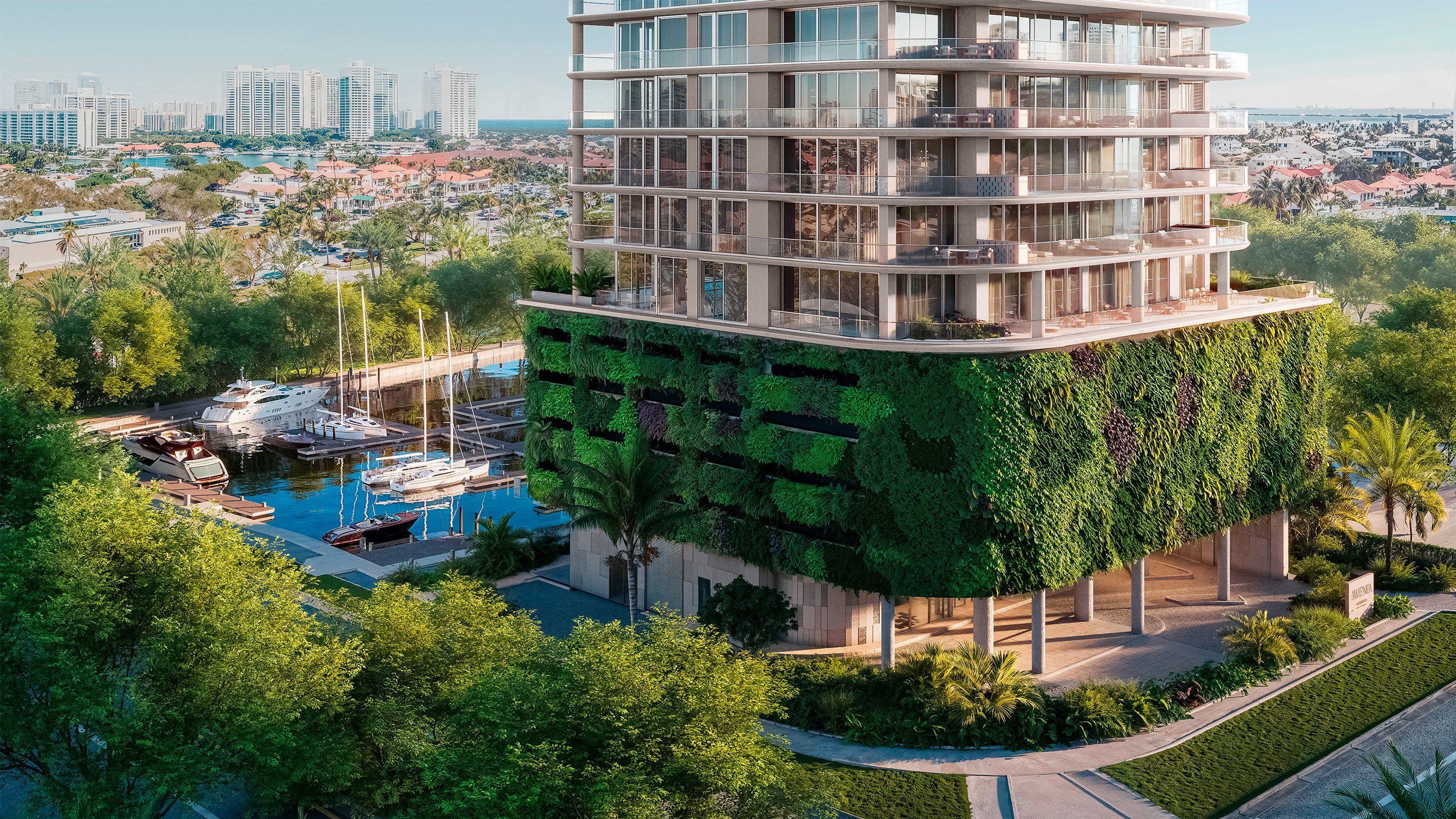
Within Aventura, Avenia Aventura offers a locally focused starting point for a residence search. Buyers broadening the comparison can consider One Park Tower by Turnberry North Miami to determine whether another setting better suits their intended rhythm.
Read the governing documents before becoming attached to a view or finish package. Counsel should review leasing provisions, guest policies, pet rules, renovation procedures, insurance obligations, reserves and approval requirements. For waterfront ownership, also examine how exposure, exterior maintenance and storm preparation are allocated. These are not secondary details; they shape convenience, privacy and long-term carrying obligations.
Some buyers begin with Aventura but discover that the central question is broader: whether they want an urban residential base or a more explicitly coastal experience. That distinction becomes especially relevant when lifestyle priorities are driving the move.
Comparing Bentley Residences Sunny Isles and Turnberry Ocean Club Sunny Isles can clarify whether direct ocean-oriented living is essential or simply appealing during short stays. Evaluate each alternative against the same criteria: layout, privacy, building governance, recurring costs, travel habits and ease of ownership.
Do not let a weekend tour decide a weekday life. Visit at the times you expect to arrive, depart, work and entertain. A second home can accommodate a more concentrated experience; a primary residence must support repetition without friction.
First, write a one-page statement of intended use for the next several years. Second, ask tax, legal, insurance and financing professionals to test that plan independently. Third, compare properties using a single scorecard rather than changing priorities from building to building.
Fourth, review all contracts and building materials with appropriate counsel. Fifth, conduct inspections and evaluate the residence's condition, systems and maintenance responsibilities. Finally, preserve an exit strategy. Consider what would happen if Aventura became a primary base sooner than expected-or if a planned relocation remained a part-time arrangement.
The strongest 2026 decision is conditional rather than ideological. Choose primary-residence treatment when the household is prepared to make Aventura its authentic center of daily life and advisers confirm the implications. Choose a second home when flexibility, periodic use and continued ties elsewhere better reflect reality. In either case, let the residence follow the plan rather than substitute for one.
Should I decide between a primary residence and second home before touring? Form a preliminary view first, then use tours to test it against layouts, services, rules and ownership demands.
Can intent alone establish a primary residence? Do not rely on intent alone. Ask qualified advisers which legal standards, actions and records apply to your circumstances.
Should I sell my San Francisco home before buying in Aventura? Not automatically. Model the financial and practical consequences of owning both, selling first and selling later.
What matters most for a lock-and-leave residence? Prioritize secure access, dependable oversight, clear maintenance responsibilities and building rules compatible with extended absences.
How should I compare monthly ownership costs? Use an all-in budget that includes building charges, taxes, insurance, utilities, maintenance, management and reserves.
Can I assume I will be able to rent the residence? No. Review building documents, local requirements, financing terms and insurance coverage before including rent in your plan.
Is a newer residence necessarily better for part-time use? Not necessarily. Operational simplicity, governance, service quality and the condition of the individual residence deserve separate review.
Should I buy in my own name or through an entity or trust? The appropriate structure depends on legal, tax, estate, privacy and financing considerations that require personalized advice.
When should insurance be evaluated? Evaluate availability, coverage, exclusions and cost during due diligence, before the purchase becomes unconditional.
What is the final test for the 2026 decision? Ask whether your calendar, records, finances and daily conduct will consistently support the classification you intend.
To compare the best-fit options with clarity, connect with MILLION.
If branded residences are on your mind — as a home or as an allocation — we would be glad to share what we are seeing, privately.
Begin a quiet conversation