A discreet buyer’s guide to evaluating Boca Raton new construction for families planning shared use, privacy, flexibility, and a thoughtful transition across generations.
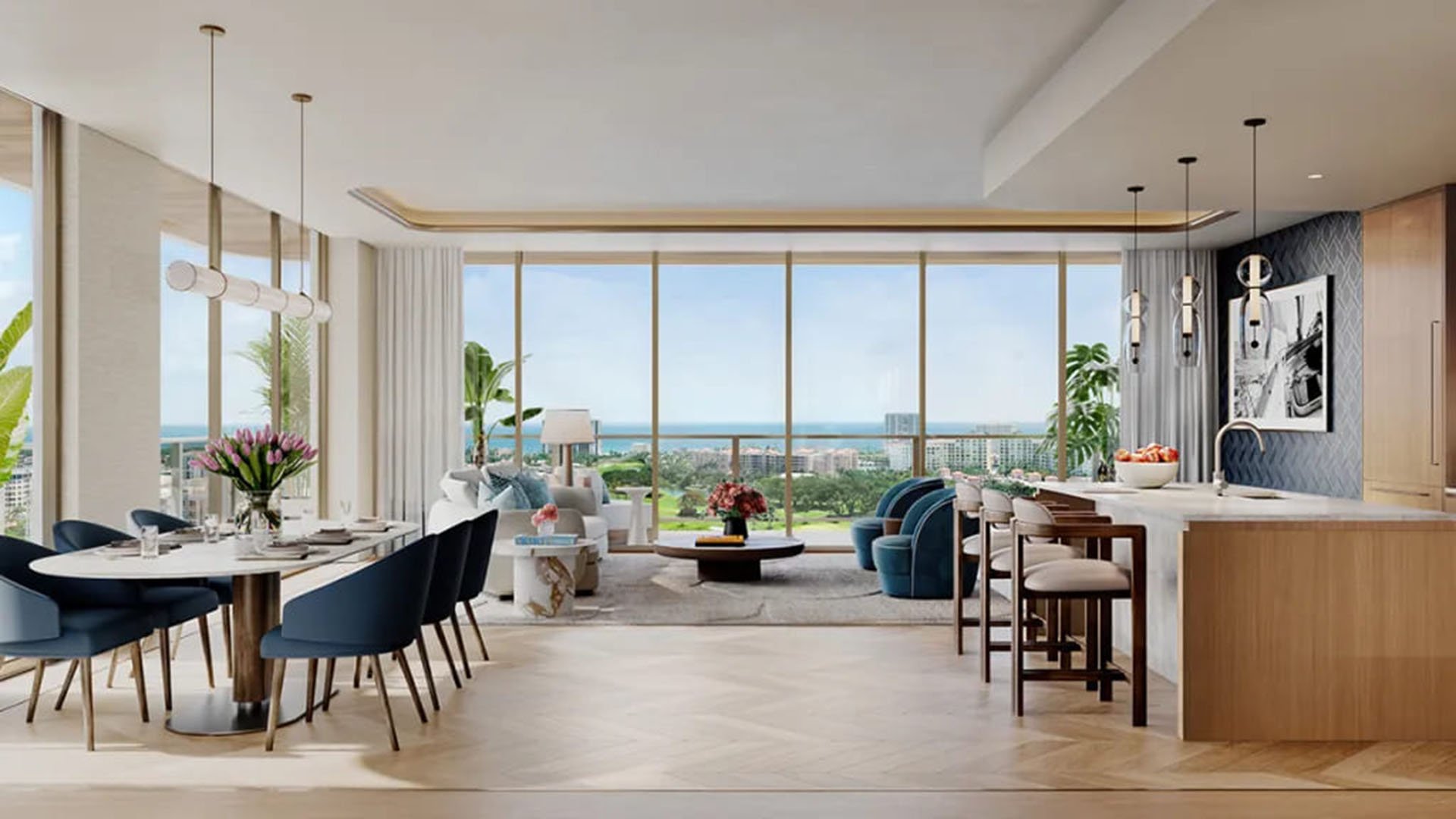
For families buying beyond the needs of a single household, the most compelling residence is rarely the one with the longest amenity list. It is the one that can accommodate changing relationships, schedules, ages, and expectations without compromising privacy. In Boca Raton, new construction is especially relevant for buyers considering a primary home, a second-home alternative, or a property intended to remain within the family.
Multigenerational ownership is not simply a matter of adding bedrooms. It requires considering whether grandparents can visit comfortably, adult children can maintain independence, younger family members can gather safely, and several decision-makers can share a property without daily friction. The strongest choice aligns physical design, building operations, financial structure, and succession planning from the outset.
A focused search can begin with four Boca Raton projects, each warranting individual review rather than a superficial comparison of size or branding.
Alina Residences Boca Raton should be examined through the practical questions that shape extended-family living: separation between sleeping and entertaining areas, flexibility for guests, storage, service circulation, and the relationship between private interiors and shared spaces. Buyers should request current plans and governing documents before deciding whether a particular residence can serve several generations.
At Glass House Boca Raton, the most useful exercise is to test the entire sequence from arrival to residence. Families should consider how easily older relatives, children, household staff, and visitors can move through the property, and whether elevator access and everyday transitions feel intuitive. A striking plan succeeds only when its circulation remains gracious under the demands of daily family life.
The Residences at Mandarin Oriental Boca Raton belongs in conversations where service expectations are central. Prospective owners should distinguish services included in regular assessments from those carrying separate charges, then consider how access, reservations, guest privileges, and household preferences would operate when several branches of a family share the residence.
Finally, Mr. C Residences Boca Raton offers another point of comparison for buyers considering a hospitality-influenced ownership experience. The essential questions are practical: how the family receives guests, manages deliveries, coordinates vehicles, accommodates pets, and preserves discretion as occupancy patterns vary throughout the year.
These are not interchangeable propositions. The right shortlist should emerge from documented needs, current project materials, and legal and financial review-not from a generalized notion of luxury.
The floor plan should provide both connection and retreat. A generous living room can accommodate celebrations, while acoustic separation protects early mornings, remote work, and different sleep schedules. A terrace may extend family life outdoors, but its value depends on access, exposure, furnishings, and how naturally it connects with the principal gathering spaces.
Bedroom placement deserves equal attention. Buyers should examine distances to elevators, kitchens, laundry areas, and bathrooms rather than assume every suite offers equivalent convenience. Flexible rooms can prove more valuable than highly specialized spaces because family needs evolve. A library may later serve as a nursery, wellness room, quiet office, or caregiver’s room.
Design and architecture should also be assessed at the detail level. Door widths, thresholds, lighting, flooring transitions, hardware, shower access, and opportunities for future adaptation can determine whether a residence remains comfortable over decades. A family need not make a home feel clinical to plan intelligently for mobility.
Amenities are most meaningful when considered as extensions of the home. A pool may suit several age groups, but buyers should review access rules, supervision expectations, guest policies, operating hours, and the availability of quieter settings. The same discipline applies to fitness, social, wellness, and dining spaces.
Lifestyle preferences should be mapped family member by family member. One generation may prioritize privacy and service, another may value social spaces, and another may focus on effortless arrivals and departures. The goal is not maximum choice, but a building whose operating culture suits the family’s actual routines.
Service is equally important. Buyers should clarify how management communicates with multiple authorized occupants, how guests are registered, and whether permissions can be tailored. A multigenerational home works best when hospitality feels effortless without weakening security or owner control.
Investment considerations begin with governance, not projected appreciation. Families should decide who will own the residence, who may occupy it, how recurring expenses will be divided, and who can authorize significant decisions. These questions belong with qualified legal, tax, insurance, and financial advisers familiar with each owner’s circumstances.
Condominium documents and purchase agreements require close review. Transfer provisions, leasing rules, guest access, vehicle policies, renovation controls, insurance obligations, and association procedures can determine whether a residence functions as intended over time. Buyers should also understand the timing and scope of deposits, closing obligations, and any rights attached to the selected residence.
A written family-use framework can prevent ambiguity. It may address calendars, guests, staffing, personal storage, expense approvals, and standards of care. Such planning is not at odds with luxury; it protects the ease and discretion that luxury is meant to provide.
Before comparing finishes, families should create a concise ownership brief outlining anticipated users, accessibility needs, privacy expectations, service preferences, holding structure, and intended duration. They can then assess each project against consistent criteria and identify where further documentation is required.
The best Boca Raton residence for multigenerational ownership is ultimately the one that remains coherent as circumstances change. Beauty matters, but adaptability, administration, and interpersonal ease allow a property to become a lasting family asset.
What makes a residence suitable for multigenerational ownership? It should balance generous shared spaces with private suites, intuitive circulation, flexible rooms, and building rules compatible with varied occupancy.
Is a larger floor plan always better for an extended family? No. Thoughtful separation, storage, acoustics, and access can matter more than total interior area.
Should every bedroom function as a primary suite? Not necessarily, but families should assess privacy, bathroom access, storage, and convenience for each likely occupant.
Why review condominium documents early? Rules governing guests, transfers, leasing, vehicles, renovations, and amenities may materially affect the family’s intended use.
How should families compare branded and non-branded residences? Compare the actual service model, costs, access protocols, and operating culture rather than relying on the name alone.
What accessibility details deserve attention? Review thresholds, doorways, bathrooms, elevator routes, lighting, flooring transitions, and the feasibility of future adaptations.
How important are guest policies? They are essential when adult children, relatives, or caregivers may use the residence without the principal owner present.
Can one residence serve as both a family home and an investment? Potentially, but personal-use goals, ownership costs, governing rules, and individual financial circumstances require separate professional analysis.
When should succession planning begin? It should begin before contract execution so ownership structure and family intentions can be considered together.
What should buyers do before reserving a residence? Confirm current plans, pricing, fees, documents, timelines, and policies with the appropriate project and professional representatives.
For a discreet conversation and a curated building-by-building shortlist, connect with MILLION.
If branded residences are on your mind — as a home or as an allocation — we would be glad to share what we are seeing, privately.
Begin a quiet conversation