A buyer-focused guide to choosing between beach access and city lifestyle in Miami Beach, with discreet guidance on rhythm, privacy, mobility, views, and long-term usability.
In Miami Beach, the question is rarely as simple as ocean or city. For a luxury buyer, it is a study in rhythm: where the day begins, how often the car stays parked, whether evenings are shaped by privacy or proximity, and how a residence should feel when the season is at its peak.
Beach access offers a sensory promise: morning light, salt air, a direct path to the sand, and the quiet confidence of living where the landscape itself is the amenity. City lifestyle offers a different kind of fluency. Restaurants, galleries, wellness studios, private clubs, and social momentum become part of the home’s extended footprint.
The most sophisticated buyers do not ask which option is better. They ask which one they will use more consistently. A residence that looks ideal for a long weekend may not serve the same purpose for a full season, a remote-work schedule, visiting family, or a second-home routine. In Miami Beach, the right answer is the one that matches how life will actually unfold.
Beach access is not simply a convenience. It changes the hierarchy of the day. The ocean becomes a daily ritual rather than a planned excursion, and that ritual can be more valuable than another amenity room, another nearby reservation, or another layer of urban energy.
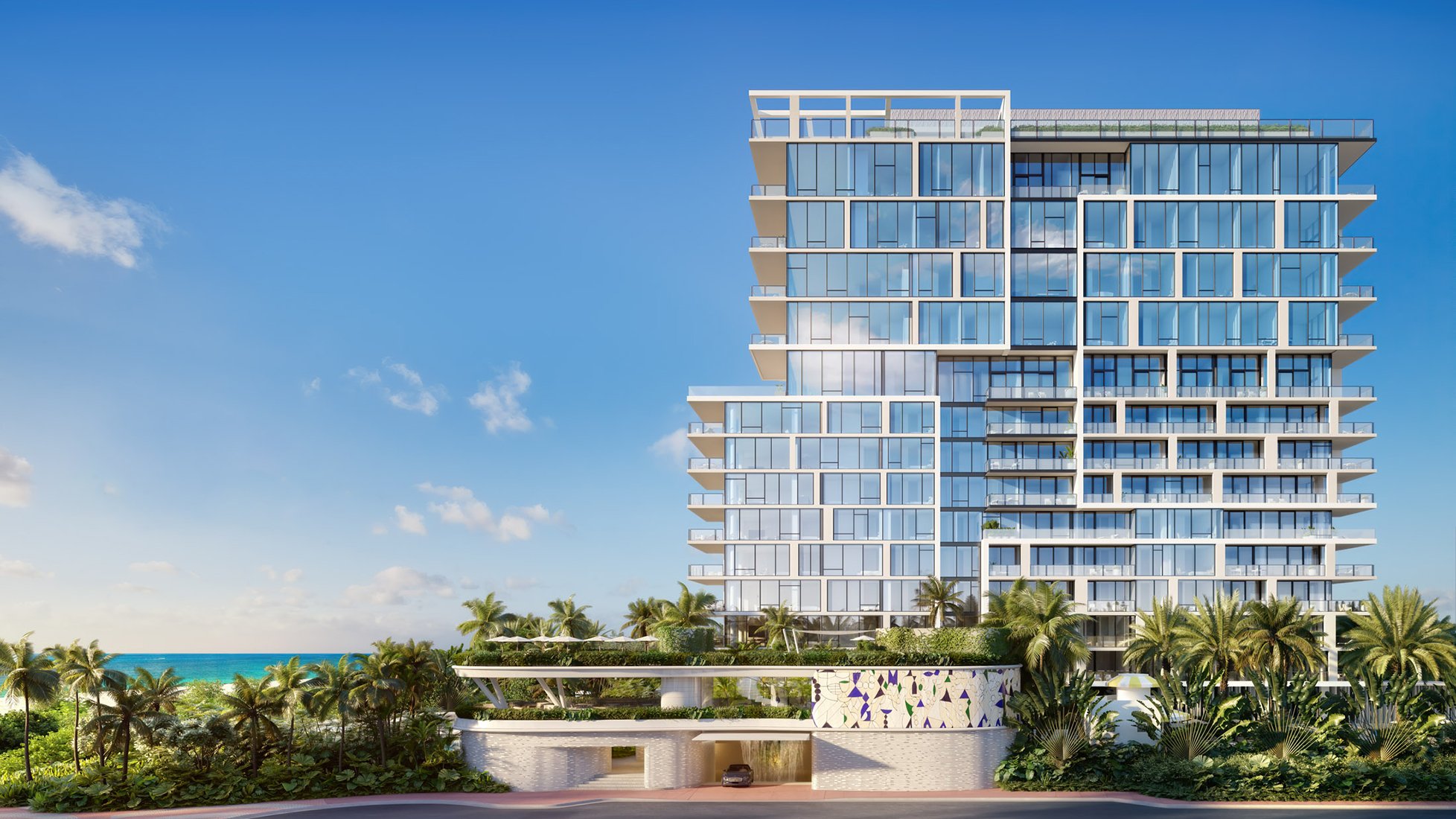
For buyers who want an oceanfront identity, 57 Ocean Miami Beach illustrates the appeal of living with the beach as the anchor. The value is emotional as much as architectural: a sense of arrival, a slower morning, and a buffer from the intensity that defines much of South Florida’s most active corridors.
This choice also favors owners who prize privacy. A beach-oriented residence can feel self-contained, especially when the building’s services, wellness spaces, pool deck, and outdoor areas are strong enough to reduce the need to leave. For seasonal residents, that can mean fewer transitions and a more effortless stay.
The tradeoff is that beach access may not deliver the most spontaneous city experience. Dining, nightlife, cultural stops, and daily errands can require more planning depending on the exact location. For the right buyer, that separation is the point. For the wrong buyer, it can become a beautiful inconvenience.
Lifestyle, in the city sense, is about compression. The best urban locations place multiple versions of the day within easy reach: coffee, meetings, fitness, dinner, art, shopping, and late-night conversation. The home becomes a private base within a larger social and cultural ecosystem.
For buyers comparing Miami Beach with mainland energy, Brickell often enters the conversation as a counterpoint. A residence such as 2200 Brickell speaks to a more metropolitan pattern, where access to offices, dining, and a denser daily schedule can outweigh the desire to wake directly beside the sand.
Within Miami Beach itself, the city-lifestyle buyer may still want water, light, and resort-level design, but with better access to the places that make evenings feel alive. The beach remains close, yet it is not the only organizing principle. This buyer may care as much about the route to dinner as the route to the shoreline.
The risk is overstimulation. A city-forward address can be exhilarating in season and less serene when the owner wants retreat. The strongest purchases solve this by combining a calm residential interior with a location that can be activated when desired, rather than imposed at all times.
Many Miami Beach buyers want the contradiction: proximity to sand without surrendering the city. They want a residence that can perform as a wellness retreat in the morning and a social platform by evening. This is why hybrid positioning has become so important.
Projects such as The Perigon Miami Beach appeal to buyers who want a refined beach setting without giving up the cultural pull of Miami Beach. Similarly, Shore Club Private Collections Miami Beach speaks to a buyer who associates beachfront living with heritage, service, and a more curated form of hospitality.
The hybrid decision depends on tolerance for movement. Some owners want everything within the building and immediate surroundings. Others are comfortable with a short transition if it means a stronger home, better views, or a quieter residential profile. The correct balance is personal, but the test is practical: where will you spend the most unplanned hours?
South of Fifth is often discussed as a lifestyle preference as much as a location preference. Buyers who gravitate to this end of Miami Beach usually want a more residential atmosphere while remaining connected to the area’s social and dining energy. It is not purely beach, and it is not purely city. It is a controlled blend.
That blend is why some buyers compare it with residences that sit slightly apart from the core yet remain connected to Miami Beach life. Five Park Miami Beach is the kind of project that can enter the conversation for those prioritizing views, design, and access to both leisure and movement.
The key is to avoid buying only for a postcard view or only for a fashionable address. Atmosphere is what the owner lives with daily. The right atmosphere makes a residence easier to use, easier to return to, and easier to justify across changing seasons.
Start with the calendar. A full-time resident, a seasonal owner, and a weekend user may all choose differently. The full-time resident often needs operational ease: groceries, parking, schools, commute patterns, services, and predictable access. The seasonal owner may prize hospitality, security, staff support, and a building that feels complete even without a packed schedule. The weekend user may place more value on immediacy and emotion.
Next, consider the first and last hour of the day. If the first hour is best spent walking by the water, beach access deserves priority. If the last hour is most often dinner, culture, or friends nearby, city lifestyle may create more lasting satisfaction.
Finally, test the decision against guests. If family and friends will visit often, consider how they will use the residence. A beach-first home can entertain effortlessly during the day. A city-forward home can make evenings simpler and more varied. The best purchase is not merely impressive. It is repeatedly useful.
Is beach access always more valuable in Miami Beach? Not always. Beach access can be highly desirable, but the better choice depends on how consistently the owner will use it.
Who is best suited to a city lifestyle purchase? Buyers who prioritize dining, culture, meetings, fitness, and social access may benefit from a more city-oriented location.
Can a Miami Beach residence offer both beach and city energy? Yes. Many buyers seek a hybrid that provides water, privacy, and convenient access to Miami Beach’s active lifestyle.
Should second-home buyers prioritize the beach? Often, but not automatically. A second home should match the owner’s actual pattern of stays, guests, and daily routines.
How important are building services in this decision? Very important. Strong services can make a beach-first residence feel complete and reduce the need to leave frequently.
Does Brickell compete with Miami Beach for luxury buyers? Yes, for buyers who want a denser urban lifestyle, Brickell can be a compelling alternative to a beach-led routine.
What should families consider first? Families should evaluate daily logistics, guest use, privacy, parking, services, and how easily the residence supports routine.
Is oceanfront living mainly about views? No. Views matter, but the larger value is the daily ritual, atmosphere, and sense of retreat created by the shoreline.
How should buyers compare South of Fifth with other areas? Focus on atmosphere, access, and daily convenience rather than relying only on reputation or a single visual impression.
What is the best way to shortlist comparable options for touring? Start with location fit, delivery status, and daily lifestyle priorities, then compare stacks and elevations to validate views and privacy.
When you're ready to tour or underwrite the options, connect with MILLION.
If branded residences are on your mind — as a home or as an allocation — we would be glad to share what we are seeing, privately.
Begin a quiet conversation