Miami waterfront buying is a decision about exposure as much as scenery. Compare actual orientation, terrace comfort, maintenance records, flood designation and ownership costs before assigning a premium to bayfront or oceanfront living.

The choice between Biscayne Bay and the Atlantic is often framed as a preference for sunsets or sunrises. For a discerning Miami buyer, the more useful distinction is how a residence performs throughout the day and what ownership requires over time. Light, wind, salt exposure and maintenance deserve the same attention as the panorama.
Neither waterfront label settles the question. An ocean-facing terrace may suit early mornings, while a west-facing bay residence may deliver the evening light a buyer values most. Yet orientation, shading and building condition can substantially change that experience. The right comparison begins with the specific residence, then expands to the building, shoreline and financial obligations.
Oceanfront Miami condominiums generally face the Atlantic and offer sunrise exposure. Bayfront residences face Biscayne Bay, but that description establishes neither a single direction nor a consistent pattern of sunlight. Confirm the orientation of the living room, primary bedroom and principal terrace separately rather than relying on a listing photograph.
East-facing rooms generally receive morning sun. West-facing bay residences can receive intense afternoon sun and offer sunset views. Large west-facing window walls can increase solar heat gain and cooling demand, making glazing and shading practical comparison points rather than decorative details.
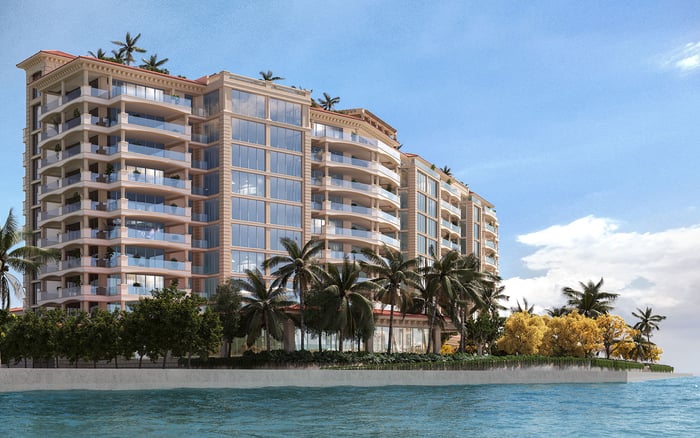
When considering a Miami Beach residence at The Perigon Miami Beach, ask for the specific floor plan’s orientation and evaluate the rooms you will actually use. Apply the same discipline to a Brickell option such as Una Residences Brickell. A project name cannot tell you how comfortable a particular room will feel at four in the afternoon.
Assess a terrace as living space, not merely the foreground of a view. Visit at different times to evaluate glare, heat, wind noise and how comfortably you can sit outside. A single showing offers only a snapshot of those conditions.
Waterfront orientation influences exposure to prevailing wind and wakes from passing boats. Two bayfront properties can therefore offer materially different experiences. Do not assume that every bay setting is quiet or that every oceanfront balcony has the same degree of exposure.
For an Edgewater shortlist that includes Aria Reserve Miami, make the terrace assessment specific: listen during conversation, observe boat activity and consider whether the outdoor space suits breakfast, reading or evening dining. The question is not which shoreline photographs better, but which exposure fits your daily routine.
Oceanfront living brings more direct salt and weather exposure, but that alone does not justify a standard maintenance premium. There is no universal percentage to apply to every building or residence. Documented condition is more useful than a generalized assumption about the coastline.
Request maintenance histories, engineering assessments and records of completed or planned work. Ask qualified inspectors to evaluate exposed components and explain any recommended repairs. For condominiums, distinguish the individual owner’s maintenance responsibilities from the association’s obligations.
A Surfside search that includes Ocean House Surfside warrants the same attention to maintenance documentation as to architecture. For a new residence, ask about maintenance responsibilities and planned care; for an existing home, examine the record of work. Neither bayfront nor oceanfront positioning substitutes for that review.
Bayfront should never be treated as shorthand for lower flood risk. The property’s mapped designation matters more than its waterfront label. Coastal locations, properties near the Miami River and those near canals can all be prone to flooding.
Flood Insurance Rate Maps identify flood hazards and are used to determine flood-insurance rates. A Special Flood Hazard Area is subject to inundation during a flood with a 1% annual chance of occurring. That annual probability does not mean flooding occurs only once every hundred years.
Zone VE is a high-risk coastal flood designation with additional hazards from storm waves. Properties in that zone face at least a one-in-four chance of flooding over a 30-year mortgage. Coastal high-hazard Zone V construction requirements can include elevating structures on piles or columns; confirm the requirements applicable to the property rather than relying on a general rule.
Standard homeowners insurance does not cover flood damage, which requires separate coverage. Flood insurance is required for federally backed mortgages on properties in Special Flood Hazard Areas. Before committing, obtain property-specific insurance quotes and review deductibles, coverage and association policies with an insurance professional.
For a bayfront house with a seawall or dock, extend due diligence beyond the residence. Request inspections, permits, repair records and clear confirmation of maintenance responsibility. A water view and a waterfront structure are different ownership considerations.
Projects and uses affecting coastal areas, wetlands or water systems can require environmental permits. Before treating a dock alteration or shoreline repair as straightforward, establish which approvals apply and whether existing work is properly documented. Ask the relevant professionals to distinguish desired improvements from work already authorized.
Neither oceanfront nor bayfront positioning automatically establishes faster appreciation or a dependable resale premium. Test any claimed advantage against comparable transactions, with attention to the residence’s orientation, condition and ownership costs.
Compare insurance quotes, deductibles, assessments, association finances and documented maintenance alongside purchase price. A compelling view does not remove the need to understand financial commitments. Nor should a home receive an unsupported discount simply because it faces one body of water rather than another.
Before making an offer, organize the decision around three questions: Does the exposure suit your routine? Are the building and shoreline obligations understood? Is the price supported by relevant comparisons? These questions separate a personal preference for sunrise or sunset from assumptions about future value. The strongest purchase is one whose pleasures and responsibilities are both clear.
Explore Miami waterfront residences with MILLION to build a shortlist around the way you want to live.
If branded residences are on your mind — as a home or as an allocation — we would be glad to share what we are seeing, privately.
Begin a quiet conversationNo. The property’s mapped flood designation matters more than its bayfront or oceanfront label.
Oceanfront Miami condominiums generally face the Atlantic and offer sunrise exposure, but the actual orientation of each residence needs verification.
Large west-facing window walls can increase afternoon solar heat gain and cooling demand. Compare glazing and shading, and visit during the afternoon.
Visit at different times to assess glare, heat, wind noise and balcony usability. For bayfront properties, also observe boat activity and wakes.
No universal maintenance premium can be assumed. More direct salt and weather exposure makes documented maintenance and property-specific inspections important.
It identifies an area subject to inundation during a flood with a 1% annual chance of occurring. It does not mean flooding happens only once every hundred years.
Zone VE is a high-risk coastal flood zone with additional storm-wave hazards. Properties in that zone face at least a one-in-four chance of flooding over a 30-year mortgage.
No, flood damage requires separate coverage. Flood insurance is required for federally backed mortgages on properties in Special Flood Hazard Areas.
Request inspections, permits, repair records and confirmation of maintenance responsibility. Establish applicable environmental approvals before planning alterations or repairs.
No automatic appreciation advantage or dependable premium should be assumed. Evaluate relevant comparable transactions together with condition, orientation, insurance and financial obligations.