A disciplined due-diligence guide to waterfront rights, marine infrastructure, association finances, insurance, and hurricane planning before offering on a Miami luxury condominium.
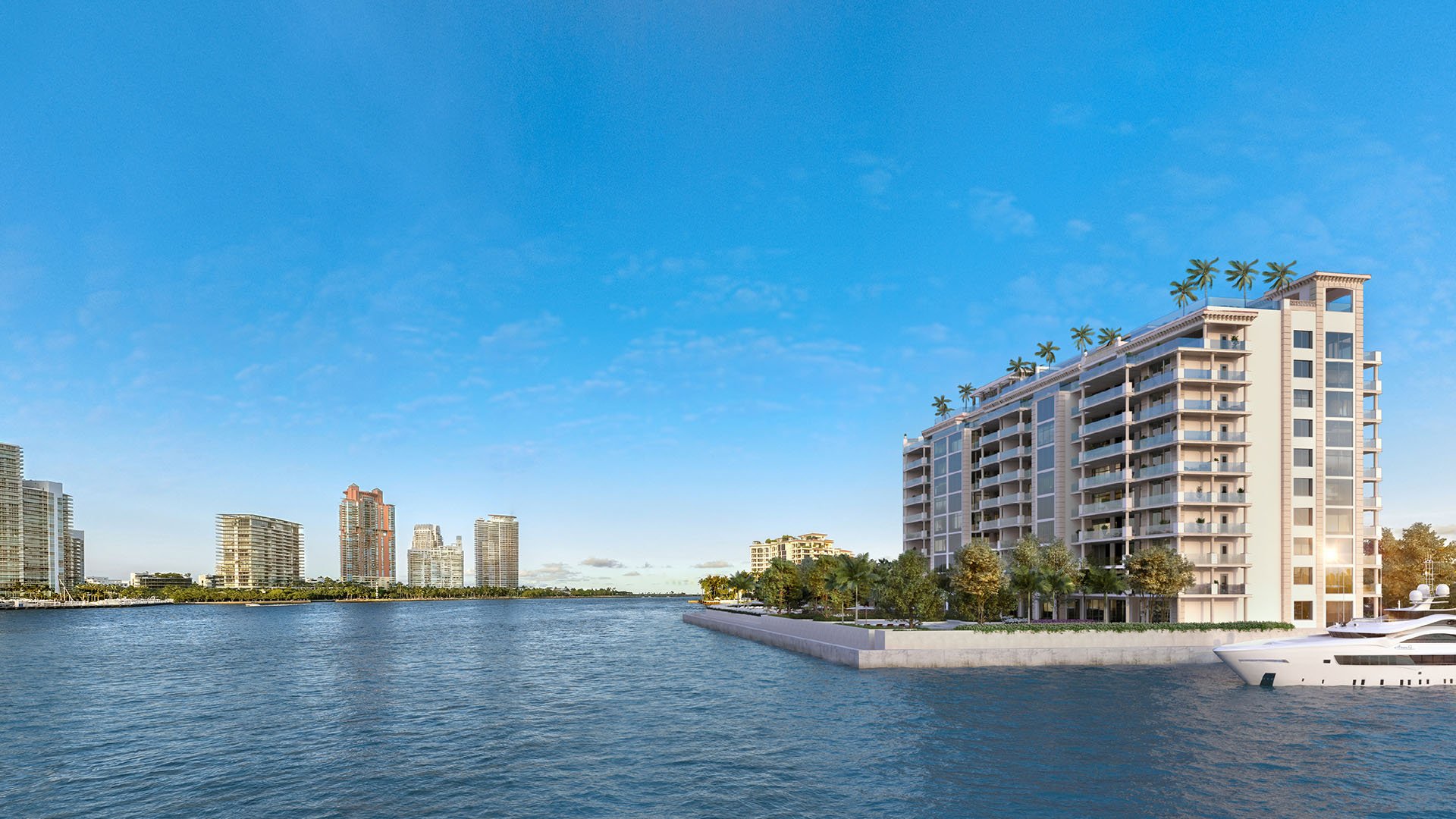
Waterfront condominium ownership in Miami can pair a polished residential experience with access to the water, but those benefits are not legally interchangeable. A bay panorama, beach access, marina membership, and the right to keep a vessel are distinct forms of value. Before making an offer, a buyer should identify precisely what is being sold-and where that entitlement appears in the governing documents.
The threshold question is whether the purchase includes only the condominium unit or also a legally enforceable dock, slip, or marina right. Determine whether a slip is deeded, assigned for exclusive use, leased, or merely available through a waiting list. Each arrangement carries different implications for control, ongoing costs, transferability, and resale value.
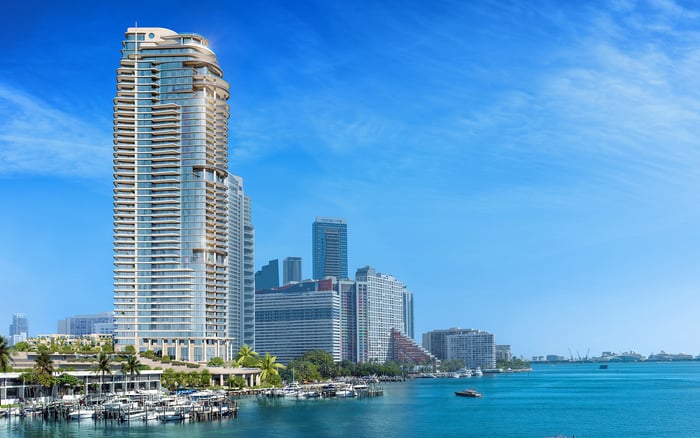
This distinction deserves particular attention when comparing waterfront options across Aria Reserve Miami in Edgewater, Una Residences Brickell, and other bayfront settings. The presence of water does not establish identical ownership rights.
Determine whether the condominium association owns and operates the marina or a separate entity controls it. A third-party operator may set eligibility standards, access terms, fees, vessel restrictions, and other conditions independently of the association.
Buyers should also establish whether docks and waterfront amenities are common elements, limited common elements, or separately controlled facilities. That classification helps define the association’s authority, the owner’s rights, and responsibility for maintenance.
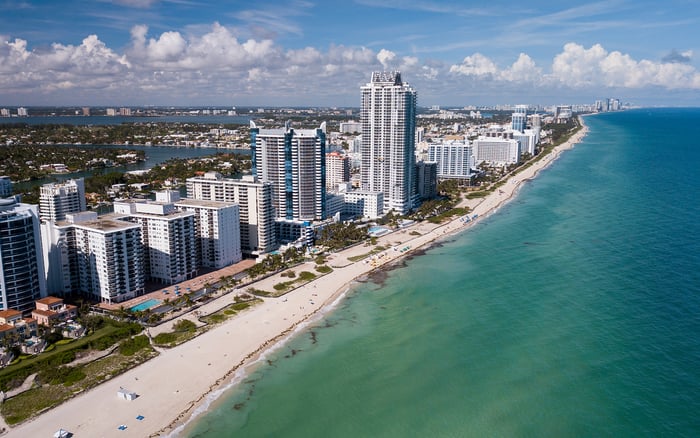
Do not assume condominium ownership conveys the same riparian rights as ownership of qualifying land bordering navigable water. Florida riparian rights can include ingress, egress, boating, bathing, and fishing when legal requirements are satisfied, but they are not automatically equivalent to rights held through a condominium. Likewise, oceanfront ownership in Miami Beach offers proximity to the shore, not private ownership of the public beach. Residences such as The Perigon Miami Beach offer a useful prompt to distinguish location, access, association privileges, and recorded property rights when comparing options.
Request the declaration, articles of incorporation, bylaws, rules, annual budget, financial statement, FAQ sheet, and current association disclosures. If a dock or slip is advertised, verify through the declaration, bylaws, and association records that the right exists and transfers upon resale. Written confirmation from management is useful, but it should supplement-not replace-a review of the recorded documents.
Examine reserves, special assessments, budget health, and pending capital projects. Request the latest milestone-inspection summary and structural integrity reserve study when those requirements apply. These materials can reveal whether an elegant arrival conceals substantial future obligations.
The same discipline applies when considering Onda Bay Harbor or another intimate waterfront condominium. Shared operations can make lock-and-leave ownership appealing, yet association governance necessarily affords less direct control than a private estate.
Verify the official flood-zone designation early. Coastal flood exposure can influence insurance availability, premiums, financing, and long-term carrying costs. Evaluate it alongside the building’s elevation, drainage approach, and insurance arrangements; a newly finished lobby does not answer questions about the site.
Investigate seawalls, docks, bulkheads, drainage, and shoreline protection. Request available inspection reports for marine structures and determine whether repairs, replacement, or assessments are under consideration. Confirm the permit status of dock, seawall, and shoreline work, as marine improvements can require governmental approval.
A buyer’s inspection strategy should extend beyond the residence. Waterproofing, façades, garage areas, mechanical systems, exterior openings, and common infrastructure all warrant attention when records indicate past claims, repairs, litigation, or planned capital work.
Ask whether the association maintains a written hurricane plan. It should address elevators, generators, emergency power, water intrusion, communications, and responsibility for securing outdoor amenities. Buyers should understand precisely what emergency power serves rather than treating the presence of a generator as a complete answer.
Review the building’s insurance arrangements, reserve position, and history of storm-related claims or litigation involving waterproofing, façades, or common infrastructure. The objective is not to eliminate coastal exposure, but to determine whether governance, funding, physical preparation, and insurance form a coherent response.
Responsibility also matters. Clarify what the association secures, what the unit owner must secure, and how access is managed before and after a storm. An absentee owner should understand in advance the procedures for shutters or glazing, balcony furnishings, vehicles, pets, and post-event inspections.
Make waterfront, structural, insurance, and storm-preparation reviews part of the offer’s due-diligence strategy. Coordinate condominium-document review, legal analysis, inspections, insurance guidance, and financing requirements within the applicable contractual timeline.
Before the deadline, reduce every material promise to a document: the slip arrangement, transfer rights, marina fees, waterfront repair plans, permits, reserves, assessments, insurance, and hurricane procedures. In the luxury market, confidence comes not from a longer amenity list, but from knowing which privileges are enforceable-and which obligations travel with the keys.
Does a waterfront condo automatically include a boat slip? No. Confirm whether the unit includes a legally enforceable slip or dock right.
What forms can a boat-slip arrangement take? It may be deeded, assigned for exclusive use, leased, or subject to availability, each with different implications for control and resale.
How can a buyer confirm that a slip transfers at resale? Review the declaration, bylaws, and association records, then obtain written clarification from the appropriate parties.
Why does marina ownership matter? A separate operator may impose its own eligibility rules, access conditions, vessel standards, and fees.
Does a Miami Beach oceanfront condo include the beach? No. Proximity and access do not confer private ownership of the public beach.
Which association financial records deserve attention? Review the budget, financial statement, reserves, special assessments, and pending capital projects.
Should buyers request structural studies? Yes. Request the latest milestone-inspection summary and structural integrity reserve study when applicable.
Which marine structures should be inspected? Examine available records for seawalls, docks, bulkheads, drainage, and shoreline protection.
What should a written hurricane plan cover? It should address elevators, generators, emergency power, water intrusion, communications, and outdoor amenities.
Why verify the flood zone before offering? Flood exposure can affect insurance availability, premiums, financing, and long-term ownership costs.
If you'd like a private walkthrough and a curated shortlist, connect with MILLION.
If branded residences are on your mind — as a home or as an allocation — we would be glad to share what we are seeing, privately.
Begin a quiet conversation