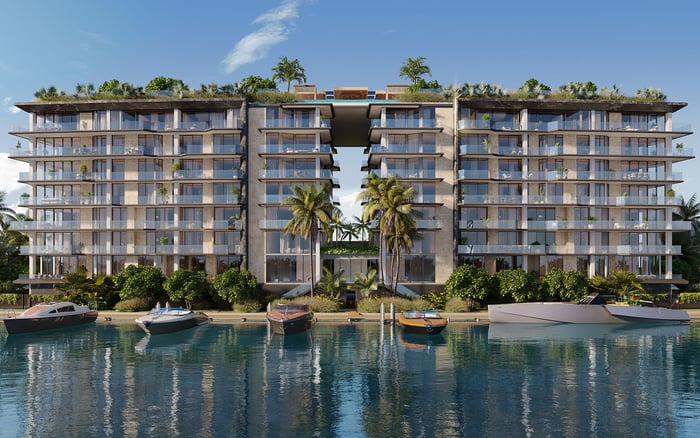
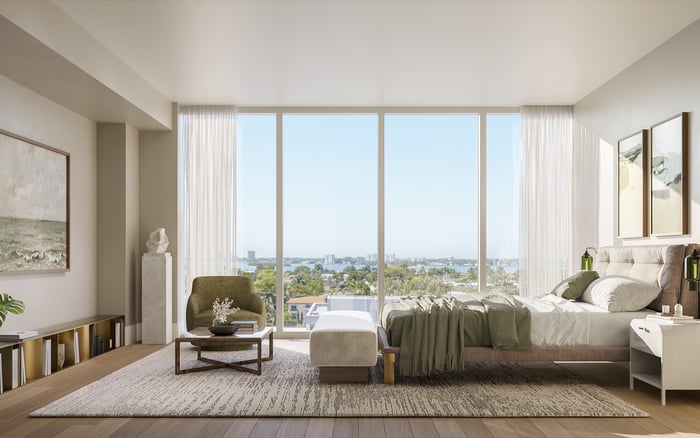
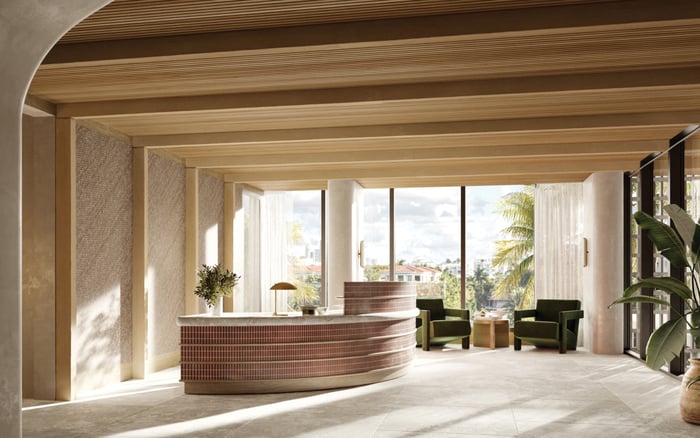
In Bay Harbor, lifestyle is often a question of priorities: immediate access to the water, or a residence engineered around wellness. This MILLION Luxury comparison frames Bay Harbor Towers and The Well Bay Harbor Islands through the lens of how affluent buyers actually live, from boating logistics to daily recovery rituals, privacy, and long-term usability.
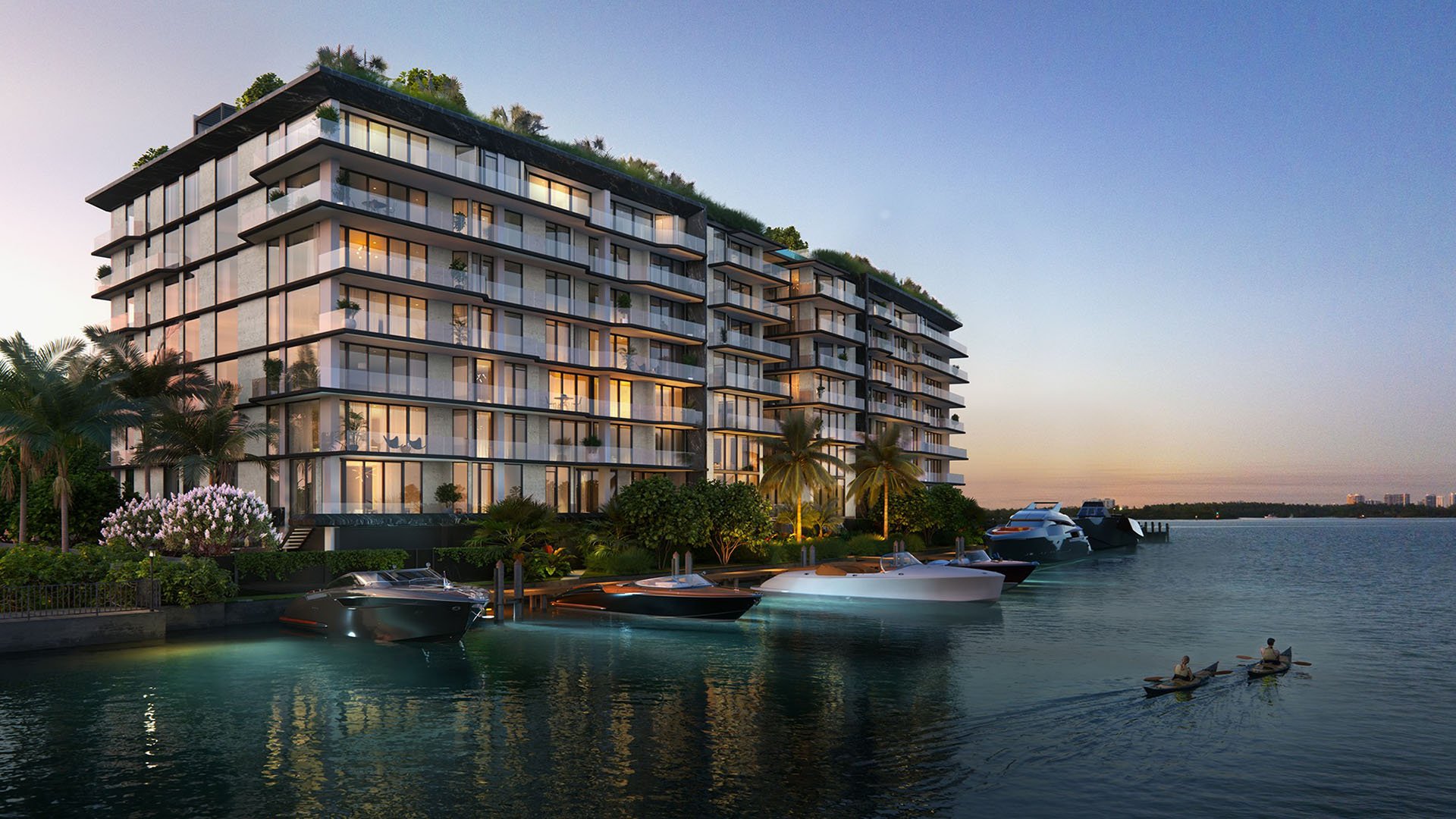
Bay Harbor Islands is a place where discretion reads as luxury. Streets are calm, the scale is intentionally boutique, and proximity to Bal-harbour and Miami-beach means you can move between quiet residential living and global retail, dining, and beaches within minutes. In that context, choosing between Bay Harbor Towers and The Well Bay Harbor Islands is less about which address is “better” and more about which building is structurally aligned with your daily rhythm.
At its simplest, the trade is straightforward. Bay Harbor Towers speaks to owners who want their home to function as a boating base with real dockage utility. The Well Bay Harbor Islands is designed for residents who want the building itself to do more of the work-integrating a wellness-first approach into how you enter, recover, train, sleep, and host.
A useful way to frame the choice is to ask where you expect to spend the most irreplaceable time: on the water-moving, planning around tides, and keeping a marine schedule-or inside a controlled environment that supports health, routine, and long-term performance.
Buyers drawn to Bay Harbor Towers tend to keep a specific kind of calendar-one organized around weekends that begin on the dock, not in the lobby. In buildings where deep-water dockage is a core feature, the home is not simply a residence; it becomes a staging ground for a vessel, crew coordination, gear storage, and an ease of departure that can materially change how often you actually use the boat.
What “boating-first” really means is friction reduction. You are not booking marina time across town, not arranging last-minute transport to a slip, and not treating your boat as an off-site hobby. When dockage is part of the residential equation, spontaneity returns: a sunset run becomes a reasonable plan, not a logistical project.
That mindset also shapes how you evaluate everything else. You may accept fewer curated wellness features if water access is exceptional. You may prioritize practicalities like service flow, storage, and the rules and culture that suit owners who keep marine schedules and marine equipment.
For many buyers, Bay Harbor Towers also matches a classic South Florida preference: a home you can personalize. In established waterfront buildings, “luxury” can be less about pre-packaged programming and more about the freedom to renovate, refine layouts, and tailor finishes to an exacting standard-provided the condominium’s guidelines match your appetite for customization.
The Well Bay Harbor Islands appeals to a different kind of discernment: buyers who want wellness to be structural, not occasional. In wellness-led residences, the building becomes a daily partner in optimizing the fundamentals that most influence quality of life-recovery, sleep, movement, and stress.
A wellness-first property often resonates with owners who travel frequently, manage intense schedules, or simply refuse to treat health as an afterthought. The value proposition is not one signature amenity; it is the compounding effect of a residence conceived around routines-a place where your default choices skew healthier because the environment is designed to support them.
This is where the “medical-grade” concept matters as a buying lens. You are not comparing a standard gym to a nicer gym. You are comparing two philosophies: one where you outsource wellness to private clubs, trainers, and appointments across Miami, and another where part of that infrastructure is built into the building’s DNA.
In practical terms, this often changes how residents use their home. Hosting can feel quieter and more controlled. Mornings become less about commuting to a routine and more about moving through it on site. For buyers who value privacy, it can also be compelling to keep wellness rituals within the building rather than in public venues.
The most efficient way to compare these two options is to focus on what you cannot easily replicate.
If you choose deep-water dockage, you are buying something that is difficult to manufacture later. You can upgrade interiors, join an elite gym, and hire wellness professionals-but you cannot easily recreate a frictionless relationship between home and boat if your building does not support it.
If you choose a wellness-first residence, you are buying a system rather than a single feature. You can keep a boat elsewhere, but the lived experience is different when wellness is integrated into how you arrive home, how you train, and how you recover. For many owners, that integration is the difference between intention and consistency.
There are also softer factors.
Bay Harbor Towers will generally attract residents whose social life has a coastal geometry: friends arrive by water, weekends are oriented to bay conditions, and leisure tends to be active and outward.
The Well Bay Harbor Islands may skew toward a more inward, curated form of luxury: quieter socializing, greater emphasis on routine, and a preference for spaces that feel controlled, serene, and restorative.
Neither is objectively superior. They are simply different expressions of premium living in Bay-harbor.
In ultra-premium decision-making, the purchase price is only the beginning of the story. The financial posture of the building matters, but so does an owner’s willingness to spend time and capital after closing.
With an established property like Bay Harbor Towers, buyers often underwrite two budgets: acquisition plus customization. If you are the kind of owner who wants to refine every surface, you may view renovation not as a burden but as the path to a truly personal residence. The trade is time, decision fatigue, and coordinating work while respecting building operations.
With a newer, concept-driven residence like The Well Bay Harbor Islands, the premium can live in the integration. You may pay for a lifestyle that is ready sooner, with fewer immediate decisions. But you should also be honest about amenity reliance: if the building’s wellness ecosystem is a primary reason you are buying, confirm your day-to-day life will actually use it-not merely admire it.
A simple test: if your schedule changes, which building still fits without forcing a rewrite of your habits? The correct answer is personal, and it is often the deciding factor.
One reason Bay Harbor Islands has become a long-term favorite is its high-end, neighborhood cadence-without the constant theater of larger districts. That quality can be especially valuable for buyers who already have homes in louder markets, or who want a second-home that feels genuinely restorative.
Both Bay Harbor Towers and The Well Bay Harbor Islands benefit from this setting. Your day can include Bal-harbour’s retail orbit and Miami-beach’s dining scene, then return to a quieter residential edge.
If you want to see how Bay Harbor’s boutique character is being interpreted across multiple styles, consider the waterfront-modern attitude of Onda Bay Harbor, or the contemporary, design-forward presence of La Maré Bay Harbor Islands. Each reflects the broader truth here: Bay-harbor rewards buyers who value precision and privacy over spectacle.
Bay Harbor Towers is often the better fit if: You are genuinely boat-first, you want dockage utility to shape your weekends, and you prefer to allocate budget toward a residence you can personalize. You are comfortable with the idea that lifestyle is something you assemble, not something you are sold.
The Well Bay Harbor Islands is often the better fit if: You want the building to actively support health and routine, you prefer a more turnkey approach to a high-design lifestyle, and you see wellness not as an amenity but as an organizing principle.
If you are split between the two, decide which friction you refuse to tolerate: the friction of getting to the boat, or the friction of maintaining wellness consistency in a busy city.
Ask questions that reveal how the building supports the life you actually live.
For dockage-forward living: clarify how dock assignments work, what day-to-day operations feel like, how storage and service are handled, and whether the building’s culture aligns with frequent boating.
For wellness-forward living: focus on the resident experience rather than the marketing vocabulary. Evaluate whether the wellness offering reads as a system you will use daily, whether privacy is preserved in those spaces, and whether the environment supports quiet routines as much as it supports social ones.
In either case, confirm how the building handles guest flow, deliveries, and practicalities. In luxury, comfort is usually the sum of small decisions.
Is Bay Harbor Towers primarily appealing to boat owners? It tends to resonate most with buyers who want dockage utility to shape daily life.
Is The Well Bay Harbor Islands only for wellness enthusiasts? No, it also suits buyers who want a calmer, more routine-driven residential experience.
Which option is better for a second-home lifestyle? The best fit depends on whether your second-home days are spent on the water or focused on recovery and routine.
Does deep-water dockage materially change resale demand? It can, because true dockage convenience is difficult to replicate in other buildings.
Will a wellness-first building replace private clubs and trainers? It can reduce reliance, but many owners still supplement with personalized services.
Is privacy generally stronger in Bay Harbor Islands than larger Miami districts? Often yes, thanks to the area’s boutique scale and residential cadence.
How should buyers evaluate an established building versus a newer concept? Underwrite both the lifestyle and the time commitment: customization versus turnkey integration.
Can I enjoy boating while living in a wellness-forward residence? Yes, but you may rely more on off-site marina logistics than if dockage is integrated.
Which choice is better for hosting and entertaining? Dockage-forward living favors active, water-based gatherings; wellness-forward living favors quieter hosting.
What is the simplest way to choose between them? Pick the lifestyle you will use weekly, not the one that sounds best on a tour.
When you're ready to tour or underwrite the options, connect with MILLION Luxury.
If branded residences are on your mind — as a home or as an allocation — we would be glad to share what we are seeing, privately.
Begin a quiet conversation