A buyer-focused comparison of Bay Harbor Towers, Mila Bay Harbor Islands, and The Lincoln Coconut Grove for penthouse seekers prioritizing privacy, governance, carrying costs, and house-like daily living.
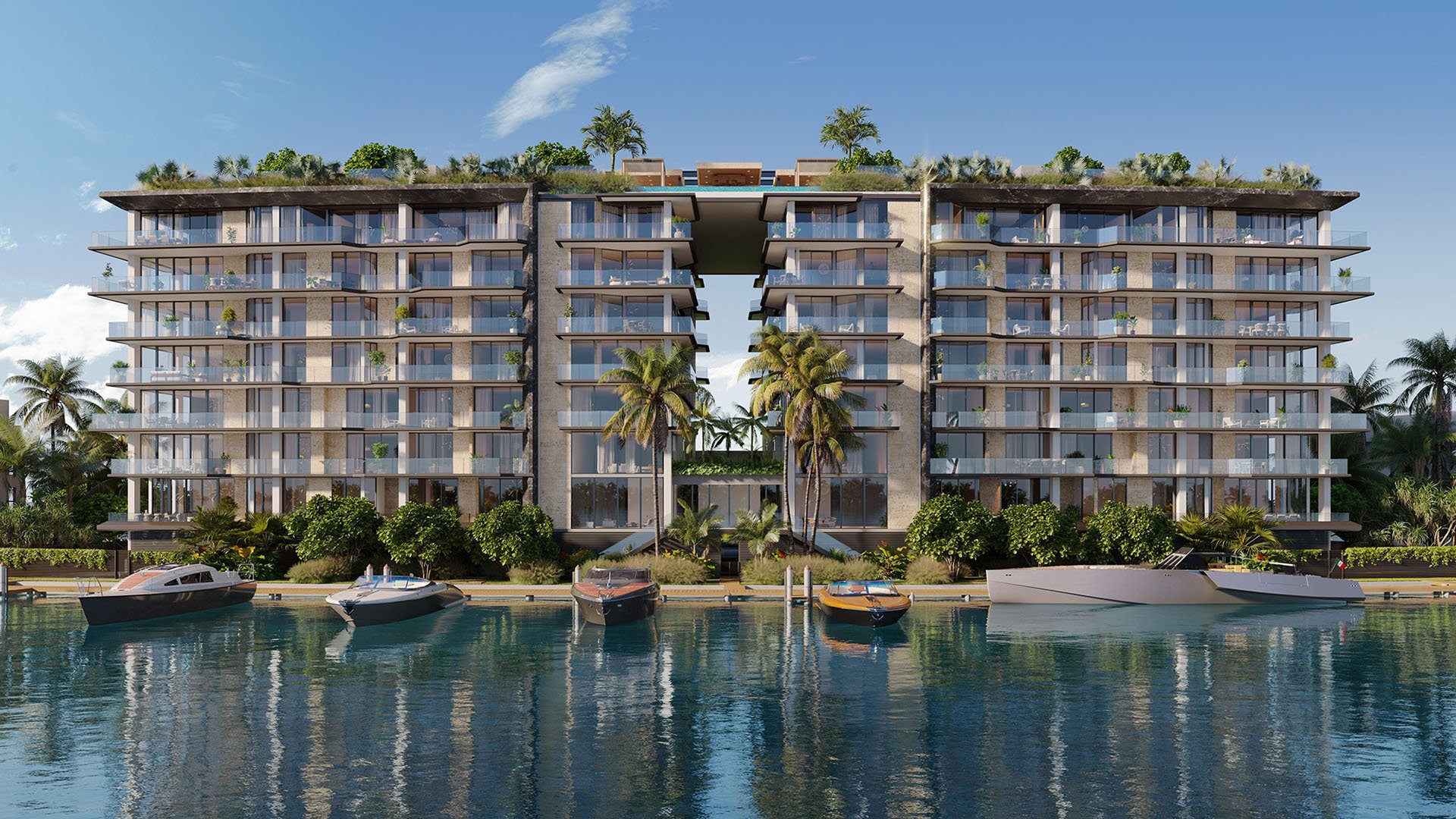
For buyers graduating from a single-family residence, the right penthouse is not simply the highest floor. It is a private domain with the daily ease of a house, the lock-and-leave discretion of a staffed building, and an ownership structure that still feels comfortable long after the closing celebration ends.
That is why the comparison among Bay Harbor Towers, Mila Bay Harbor Islands, and The Lincoln Coconut Grove should begin with ownership experience, not finishes. Each name belongs in the luxury conversation, but the buyer who wants a penthouse that lives like a house needs to look beyond the romance of elevation. The sharper question is this: which building model best protects privacy, preserves flexibility, and supports the way the owner actually intends to live?
In that sense, this is a boutique decision as much as a real estate decision. The right answer depends on governance, household rhythm, carrying-cost tolerance, neighborhood preference, and the level of control a buyer expects over arrival, entertaining, storage, outdoor living, and future resale.
Bay Harbor Towers and Mila Bay Harbor Islands belong in the Bay Harbor Islands comparison set. Their shared market context gives buyers a lens into a quieter, more residential side of Miami luxury, where the appeal often rests on scale, calm, and proximity to the Bal Harbour and Surfside orbit without necessarily choosing the most visible oceanfront address.
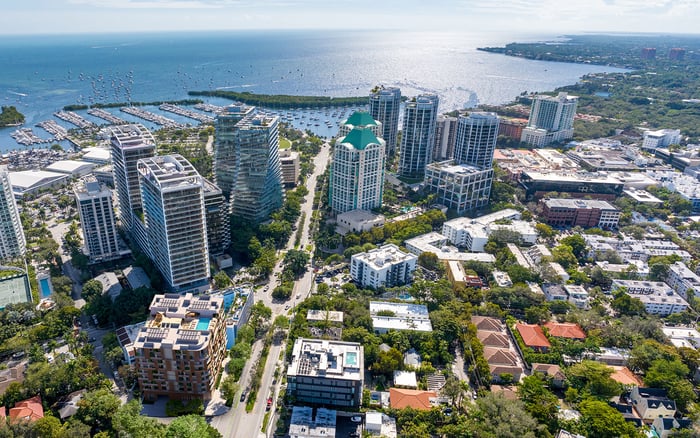
The Lincoln Coconut Grove is the Coconut Grove comparison point. Its frame is different: leafy, village-oriented, and connected to a long-established residential fabric where walkability, mature canopy, and cultural texture matter as much as the building itself. For a buyer weighing Bay Harbor Towers against Mila Bay Harbor Islands and The Lincoln Coconut Grove, the first fork in the road may be lifestyle geography.
Bay Harbor offers a more tucked-away residential mood, while Coconut Grove reads as an older Miami neighborhood with a more organic rhythm. The former may appeal to buyers who want discretion near the beach communities. The latter may appeal to those who want a home base with stronger neighborhood identity and a less resort-coded daily life.
Buyers often ask whether a penthouse is a condominium, a cooperative-style arrangement, or another form of ownership. The label matters, but it is only the beginning. The real-world experience is shaped by the governing documents, budget structure, reserve philosophy, rules for alterations, rental permissions, insurance approach, assessment history, and approval process for future work.
For a penthouse buyer, these items carry extra weight. A top-floor home may require more specialized diligence around roof adjacency, terrace maintenance, mechanical systems, waterproofing, wind exposure, and contractor access. Even when a residence feels like a private house in the sky, it remains part of a collective building ecosystem.
The ownership model that best fits a house-minded buyer is usually the one that offers the right balance between autonomy and stewardship. Too little structure can create uncertainty around long-term maintenance. Too much structure can limit the sense of private-home freedom. The ideal is not always the loosest regime; it is the most predictable one.
A penthouse that lives like a house should pass five practical tests.
First, arrival should feel private and intuitive. Buyers should understand how elevator access, lobby flow, guest arrival, service access, and package handling work in daily life. Even without confirming a private elevator or dedicated vestibule, the buyer can evaluate whether the building experience feels residential rather than transactional.
Second, outdoor space should function as a true extension of the home. A terrace is only house-like if it supports the buyer's lifestyle, whether that means quiet morning coffee, family dinners, container landscaping, or refined entertaining. Orientation, exposure, privacy from neighboring sightlines, and building rules matter as much as size.
Third, storage must be studied with unusual care. Former homeowners often underestimate how much house infrastructure they use: seasonal décor, bikes, paddleboards, luggage, wine, art crates, tools, and household supplies. A penthouse without adequate storage may feel luxurious at the showing and compromised within a year.
Fourth, parking and service logistics deserve the same attention as the primary suite. A buyer who entertains, travels, employs household staff, or keeps multiple vehicles should understand assigned parking, valet procedures, guest parking, loading access, and move-in rules before treating the home as a house replacement.
Fifth, the carrying-cost structure should feel durable. Monthly obligations, insurance exposure, future capital projects, and reserve strength can affect comfort more than purchase-price psychology. The best penthouse ownership model is the one a buyer can enjoy without being surprised by the building's long-term obligations.
Bay Harbor Towers belongs in the Bay Harbor Islands conversation, giving it a natural appeal for buyers seeking a residential setting rather than a spectacle. For the house-minded penthouse buyer, the opportunity is to evaluate whether the building's scale, governance, and day-to-day rules support a quieter kind of privacy.
The key diligence should focus on how the penthouse interacts with the building as a whole. Does the arrival sequence feel discreet? Are outdoor areas governed in a way that supports real use? Is the maintenance philosophy conservative enough for a buyer who wants confidence, yet flexible enough for someone accustomed to a private residence?
Bay Harbor Towers may resonate with buyers who want the Bay Harbor Islands lifestyle and are willing to study the ownership documents in detail before deciding whether the penthouse can replace a house emotionally and operationally.
Mila Bay Harbor Islands is the second Bay Harbor Islands comparable in this trio. For buyers comparing it with Bay Harbor Towers, the question is not only which project feels newer, quieter, more intimate, or more polished in presentation. The more important question is which model gives the buyer greater confidence around use, privacy, and control.
A penthouse seeker should examine the building's rules around modifications, terraces, pets, guests, rentals, storage, and service access. These clauses determine whether a residence behaves like a private home or like a beautiful apartment with limitations. The buyer should also look closely at budget assumptions and any future obligations that could affect ownership over time.
Mila Bay Harbor Islands may suit a buyer drawn to the Bay Harbor Islands setting who wants to compare governance and daily functionality carefully against another local option before committing.
The Lincoln Coconut Grove introduces a different lifestyle proposition. Coconut Grove is not merely an alternative location; it changes the emotional premise of ownership. A buyer choosing The Lincoln Coconut Grove may be prioritizing neighborhood texture, greenery, and a sense of established Miami residential life over the more island-like calm of Bay Harbor Islands.
For a penthouse that lives like a house, the Grove context can be powerful. Buyers coming from single-family homes may find the neighborhood rhythm familiar: a stronger sense of place, a more walkable daily pattern, and a residential atmosphere that does not depend entirely on the building's amenities to create lifestyle.
Still, the same ownership diligence applies. The buyer should review governance, carrying costs, alteration rights, terrace rules, parking, storage, and service logistics. A Grove address can feel more house-like in spirit, but the building documents determine how house-like the ownership experience will be in practice.
The Bay Harbor Islands buyer may value discretion, proximity to the beach-adjacent luxury corridor, and a quieter residential enclave. Between Bay Harbor Towers and Mila Bay Harbor Islands, the final decision should turn on document-level details and the lived experience of the building rather than assumptions about the neighborhood alone.
The Coconut Grove buyer may want the penthouse to feel embedded in a neighborhood rather than removed from it. The Lincoln Coconut Grove should appeal to a buyer who equates house-like living with atmosphere, greenery, and village character as much as with square footage or elevation.
For all three, the decisive ownership model is the one that makes the buyer feel both protected and free: protected by sound governance, clear costs, and orderly operations; free to live, host, travel, furnish, and maintain the residence with the ease expected at the top end of the market.
Before choosing among Bay Harbor Towers, Mila Bay Harbor Islands, and The Lincoln Coconut Grove, a buyer should ask one disciplined question: what part of single-family living am I trying to preserve?
If the answer is privacy, study circulation, sightlines, elevator experience, and staff protocols. If the answer is outdoor living, study terrace rules, exposure, furnishings, landscaping permissions, and maintenance responsibility. If the answer is control, study alteration rights, board approvals, leasing rules, and use restrictions. If the answer is financial predictability, study budgets, reserves, insurance, and capital planning.
The penthouse that lives most like a house is not necessarily the largest or most dramatic. It is the one whose ownership model recedes into the background, allowing the home to feel effortless.
Which project is best for a buyer who wants a penthouse that feels private? Privacy depends on arrival, circulation, sightlines, staffing, and building rules. Buyers should compare these details directly across Bay Harbor Towers, Mila Bay Harbor Islands, and The Lincoln Coconut Grove.
Are Bay Harbor Towers and Mila Bay Harbor Islands direct comparables? Yes, both belong in the Bay Harbor Islands comparison set. Their differences should be evaluated through lifestyle, governance, and day-to-day ownership experience.
Why include The Lincoln Coconut Grove in the comparison? The Lincoln Coconut Grove offers the Coconut Grove counterpoint. It introduces a different neighborhood rhythm for buyers who want a more village-like residential setting.
Should ownership structure matter more than design? For penthouse buyers, it often should. Design creates desire, but ownership structure shapes the daily freedom, obligations, and long-term comfort of the purchase.
What should former single-family homeowners review first? They should review governance, alteration rights, carrying costs, parking, storage, terrace rules, and service access. These items determine whether a penthouse can function like a house.
Is a larger penthouse automatically more house-like? No. A smaller residence with better privacy, storage, outdoor function, and access can feel more house-like than a larger home with operational friction.
What is the biggest hidden issue for penthouse buyers? The biggest issue is often not aesthetics but logistics. Parking, deliveries, contractors, guests, pets, and storage can define the real ownership experience.
How should buyers compare carrying costs? Buyers should look beyond the monthly figure and review what it covers, how reserves are handled, and whether future capital needs are planned clearly.
Which location feels more residential, Bay Harbor Islands or Coconut Grove? Both can feel residential, but in different ways. Bay Harbor Islands is quieter and island-like, while Coconut Grove has a more established neighborhood texture.
What is the best way to shortlist comparable options for touring? Start with location fit, delivery status, and daily lifestyle priorities, then compare stacks and elevations to validate views and privacy.
For a discreet conversation and a curated building-by-building shortlist, connect with MILLION.
If branded residences are on your mind — as a home or as an allocation — we would be glad to share what we are seeing, privately.
Begin a quiet conversation