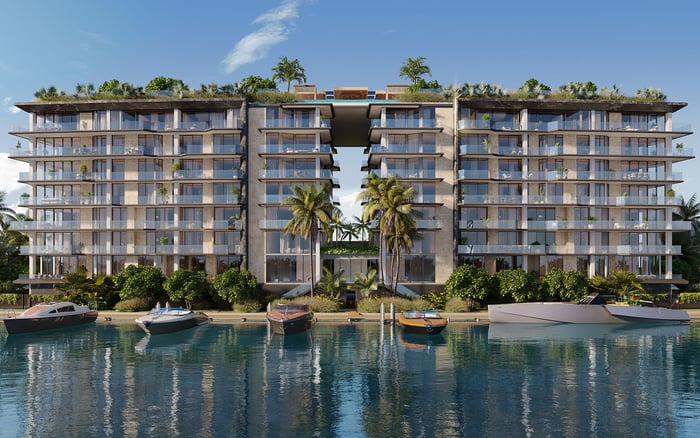
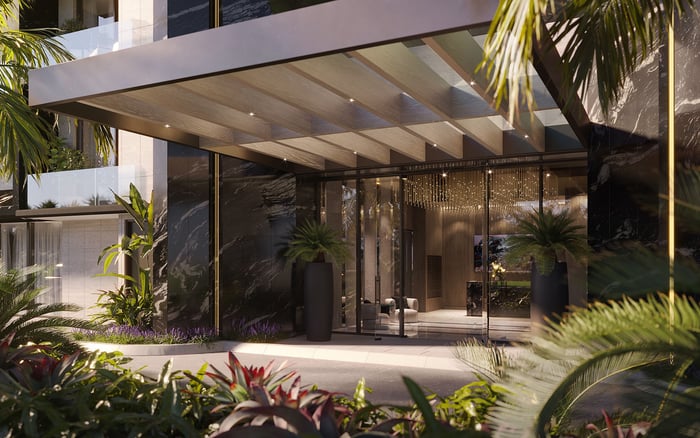
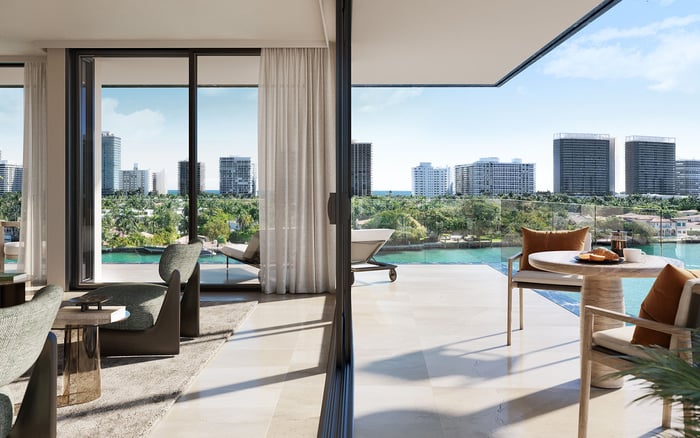
A practical luxury-condo due diligence guide for evaluating restaurant-noise exposure at Bay Harbor Towers, with emphasis on privacy, service convenience, balcony usability, and resale liquidity.
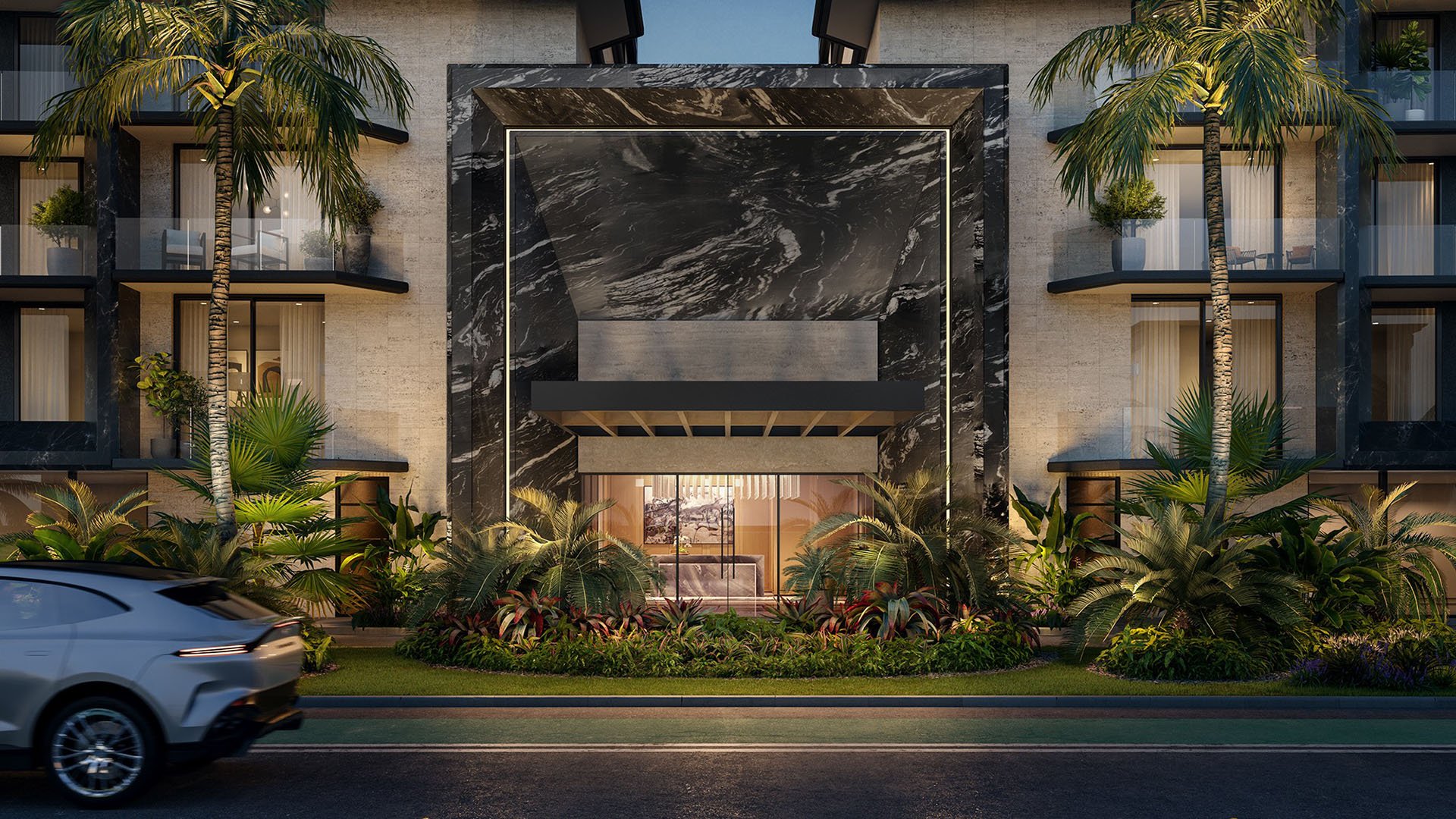
At Bay Harbor Towers, restaurant proximity should not be treated as a simple lifestyle preference. For a Bay Harbor buyer, the question is not whether dining energy is good or bad, but whether it is controlled, predictable, and compatible with the way the residence will actually be used.
In South Florida waterfront living, a short walk to restaurants can be a meaningful amenity. It can make evenings easier, reduce dependence on the car, and reinforce the neighborhood convenience many buyers want. Yet the same adjacency can become a privacy concern when sound, service activity, or late-day movement reaches the residence in a way that feels intrusive.
That is why restaurant-noise exposure belongs in the same conversation as view lines, elevator experience, parking, building service, and outdoor space. It affects three buyer-facing outcomes: privacy, day-to-day service convenience, and resale liquidity.
The most useful analysis at Bay Harbor Towers is stack-specific. Orientation, floor height, balcony direction, and the path sound takes to reach a residence can matter more than any broad statement about the building as a whole.
A unit facing away from activity may perform very differently from one with a direct sound path toward outdoor dining, valet movement, or service areas. A higher floor may feel more removed from pedestrian noise, yet certain mechanical or music sources can still travel. A lower floor may be more exposed to conversations, doors, deliveries, and ride-share pickups, though it may also be shielded by surrounding massing or landscaping.
Buyers should listen separately from the main living area, primary bedroom, secondary bedrooms, and outdoor spaces. The objective is to identify where noise appears, how often it appears, and whether it changes the perceived quality of the residence.
A residence can feel serene indoors while its outdoor space is compromised. That distinction matters because balcony and terrace use are often central to the luxury-condo experience in Bay Harbor Islands.
During a showing, close the balcony doors and listen from the living room. Then open the doors and repeat the exercise. Step outside and remain still long enough to distinguish a passing sound from a recurring pattern. Chatter from outdoor dining, background music, kitchen operations, exhaust equipment, trash handling, deliveries, valet activity, and ride-share pickups should be evaluated as separate sources rather than folded into a vague impression of noise.
The question is not whether a buyer can hear life nearby. The question is whether the outdoor space still feels private enough for morning coffee, evening conversation, remote work, or entertaining.
Daytime showings are useful, but they rarely tell the full story. Restaurant activity is often time-dependent, so a practical inspection plan should include evening and weekend visits.
A weekday afternoon may present a calm streetscape, while a Friday evening may reveal a different service rhythm. Weekend brunch, dinner arrivals, valet pacing, ride-share clustering, and post-meal departures can create distinct acoustic patterns. These patterns may be brief and acceptable, or frequent enough to alter the perceived quiet of a residence.
A serious buyer should visit more than once. If possible, observe from the street, the lobby approach, the parking sequence, the unit interior, and the balcony. The goal is to understand not only volume, but also character. A low, steady hum is experienced differently from intermittent shouting, music peaks, carts, doors, or reversing vehicles.
Restaurant adjacency can either enhance or erode privacy. It is lifestyle-positive when it adds energy, walkability, and ease without materially reducing residential calm. It becomes privacy-eroding when diners, staff, vehicles, or service patterns create the feeling that the residence is visually or acoustically exposed.
Service convenience also deserves attention. A nearby dining district can make hosting easier and simplify daily routines. But if the same activity congests arrival, affects valet timing, or changes the mood of the building approach, it should be weighed as part of the ownership experience.
Discerning buyers often respond differently to the same setting. One buyer may love the sense of movement below. Another may define luxury as stillness. The best diligence separates personal taste from market impact, then asks whether the unit can satisfy enough of the next buyer pool.
Before contract deadlines expire, buyers should ask practical questions about the residence itself. Window quality, glazing upgrades, balcony doors, seals, and façade performance can influence how much exterior activity reaches the interior. Even when a unit appears quiet, small performance differences can become meaningful at night.
Future conditions also matter. Nearby commercial patterns may intensify over time through longer hours, expanded outdoor seating, live music, rooftop activation, or heavier delivery activity. Buyers do not need to predict every future change, but they should recognize that restaurant adjacency is dynamic rather than fixed.
Documentation helps keep the evaluation objective. Notes, time stamps, photos, short videos, and sound-level readings, when available, can make it easier to compare one unit with another. The value is not in creating a perfect scientific study. The value is in preventing a high-stakes decision from relying on a single quiet showing.
Resale strength depends on the balance between convenience and calm. Restaurant proximity may broaden demand among buyers who prize walkability, social ease, and neighborhood energy. If exposure is poorly controlled, it may narrow demand among quiet-luxury buyers who prioritize discretion, sleep quality, and private outdoor living.
For investment thinking, the issue is liquidity as much as price. A unit with controlled restaurant adjacency can feel more complete because it offers both convenience and retreat. A unit with compromised outdoor space may require more careful positioning, more selective buyer targeting, or a stronger explanation of its advantages.
Sellers should be just as disciplined as buyers. If a residence performs well at night and on weekends, that is a meaningful part of its story. If exposure exists, the best strategy is not to ignore it, but to frame the buyer audience accurately and show the residence at times that reflect its strongest use case.
Before writing an offer, identify the unit’s orientation, floor height, and likely exposure path. During diligence, return in the evening and on a weekend. Test the interior with doors open and closed. Use the balcony or terrace as it would actually be used, not just as a place to admire the view for two minutes.
Listen for separate sources: dining conversations, music, kitchen activity, mechanical exhaust, trash movement, deliveries, valet, and ride-share pickups. Ask whether the sound is constant or occasional, distant or direct, atmospheric or intrusive. Then compare the answer with the buyer’s actual lifestyle.
At Bay Harbor Towers, the refined answer is rarely a blanket yes or no. It is a stack-by-stack judgment about whether dining convenience and residential calm can coexist.
Why does restaurant noise matter at Bay Harbor Towers? It can affect privacy, outdoor-space enjoyment, daily service flow, and resale liquidity, not just personal comfort.
Should buyers judge noise by the building or by the specific unit? The specific unit matters most. Orientation, floor height, balcony direction, and exposure path can produce very different experiences.
When should a buyer visit to test restaurant activity? Evening and weekend visits are essential because restaurant activity may not be obvious during a daytime showing.
Can a unit be quiet indoors but noisy outside? Yes. Buyers should test interior rooms and outdoor spaces separately because balcony conditions can differ sharply from interior calm.
What restaurant-related sounds should be checked? Listen for outdoor dining chatter, music, kitchen operations, exhaust equipment, trash handling, deliveries, valet activity, and ride-share pickups.
Is restaurant proximity always negative for resale? No. It can enhance value for walkability-focused buyers when residential quiet and privacy remain well controlled.
What building features can reduce interior noise? Window quality, glazing upgrades, balcony doors, seals, and façade performance can all influence interior sound intrusion.
How should buyers document their observations? Use notes, time stamps, photos, videos, and sound-level readings when available to compare residences more objectively.
What future changes should be considered? Buyers should consider possible longer hours, expanded outdoor seating, live music, rooftop activation, or heavier service activity nearby.
What is the best way to shortlist comparable options for touring? Start with location fit, delivery status, and daily lifestyle priorities, then compare stacks and elevations to validate views and privacy.
For a discreet conversation and a curated building-by-building shortlist, connect with MILLION.
If branded residences are on your mind — as a home or as an allocation — we would be glad to share what we are seeing, privately.
Begin a quiet conversation