A discreet buyer’s guide to considering Bay Harbor Towers for a more efficient private-aviation lifestyle, with emphasis on routine, privacy, and daily livability.
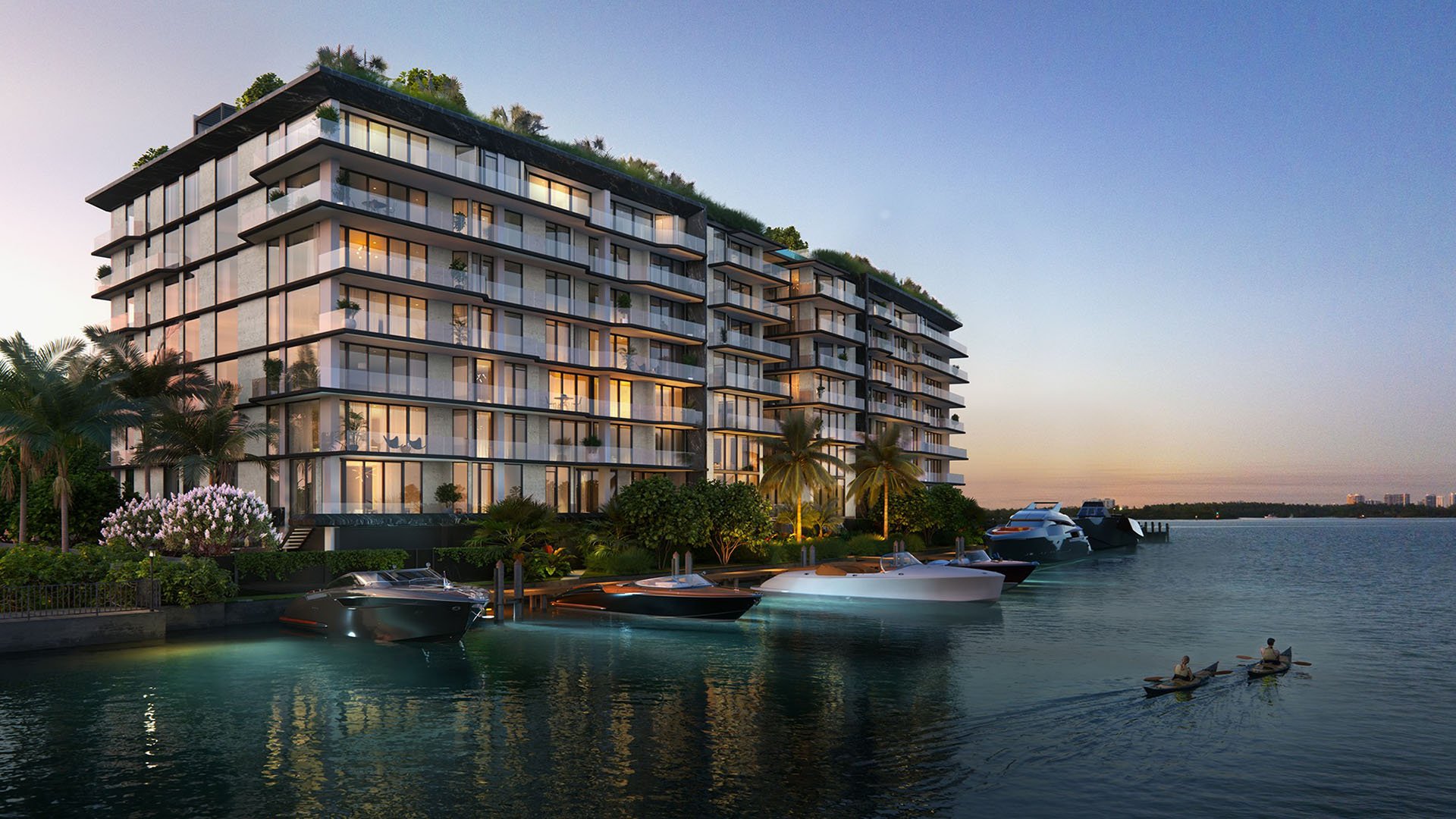
For a certain South Florida buyer, private aviation is not a status detail. It is a calendar discipline. The real question is not simply where the aircraft departs. It is how many steps stand between the residence, the car, the security routine, the crew conversation, and the moment the cabin door closes. That is why Bay Harbor Towers deserves attention from buyers prioritizing a shorter private-aviation routine.
This is not a claim that one address solves every flight pattern. Aircraft choice, preferred airport, departure window, traffic tolerance, and household rhythm all matter. The more refined point is this: Bay Harbor Towers belongs in the conversation because it fits a buyer profile that values calm, discretion, and fewer unnecessary transitions before travel begins.
In the ultra-premium market, efficiency is rarely about speed alone. It is about predictability. A residence that supports orderly departures, uncomplicated returns, and a quieter residential environment can feel more valuable than a more conspicuous address with a longer emotional runway.
Private-aviation buyers often think in door-to-door terms. The stopwatch starts well before reaching the aircraft. It begins with the elevator call, the valet sequence, the privacy of the lobby, the ease of loading luggage, the certainty of the pickup point, and the confidence that a driver can execute the plan without improvisation.
That is where Bay Harbor Towers can be evaluated intelligently. The building is not merely a place to sleep between flights. It is part of the travel system. A strong aviation routine asks whether a residence feels composed at 5:30 in the morning, whether the arrival after a late return feels discreet, and whether guests can move from residence to vehicle without turning a trip into a production.
For buyers comparing Alana Bay Harbor Islands, La Baia North Bay Harbor Islands, and Bay Harbor Towers, the decision should not be reduced to finishes or amenity language alone. The more serious exercise is to map an actual departure. Walk from residence to car. Consider luggage. Consider family members. Consider staff coordination. Then ask which building makes the sequence feel least exposed and most controlled.
Bay Harbor Islands has a different tempo from South Florida’s most vertical urban corridors. The appeal is less about spectacle and more about residential poise. For a buyer often moving between homes, aircraft, and business commitments, that distinction matters. The area can serve as a quieter base from which the day is managed, rather than another stage on which it must be performed.
This is where the language of luxury becomes more precise. The relevant tags are not only Bay Harbor Towers and Bay-harbor; they are also Boutique, Second-home, Waterview, and the proximity mindset often associated with Bal-harbour. These are not empty labels. They describe how buyers tend to frame the decision: privacy, ease, outlook, and access to a polished residential ecosystem.
A second-home buyer may use the residence in concentrated intervals, arriving for a long weekend, a school break, an art week, or a business swing through South Florida. In that use case, friction compounds quickly. A complicated arrival, a congested lobby, or a building that feels too public can undermine the entire purpose of the home. Bay Harbor Towers should be judged by how gracefully it supports those intermittent but highly valuable moments.
The case for Bay Harbor Towers begins with restraint. Some buyers want the newest skyline statement. Others want a residence that feels strategic, private, and practical without announcing itself at full volume. Aviation-focused ownership often aligns with the latter instinct.
That does not mean giving up refinement. It means placing refinement in the service of use. A well-chosen residence should make the travel day feel less fragmented. It should be easy for a household manager to prepare, easy for a driver to service, and easy for the owner to leave without feeling that the building has inserted itself into the journey.
In this context, nearby choices such as Onda Bay Harbor and The Well Bay Harbor Islands help define the broader buyer set. The neighborhood is attracting purchasers who care about design, wellness, waterfront sensibility, and privacy. Bay Harbor Towers belongs in that same evaluative frame, particularly for those who see the residence as a launch point rather than only a destination.
The most sophisticated buyers will ask operational questions early. Where does the car wait? How does luggage move? How does the building feel during peak departure hours? How quickly can a guest be received after landing? What is the experience when the owner returns without fanfare? These are not minor details. They are the hidden architecture of convenience.
Aviation-focused buyers may also consider addresses in larger, more public luxury markets. Those options can be compelling, especially for buyers who want immediate proximity to restaurants, nightlife, office towers, or beach-club culture. But visibility has a cost. A more prominent address can introduce more eyes, more traffic, and more choreography.
Bay Harbor Towers offers a different proposition: place the home in a calmer setting and let the rest of South Florida remain available when needed. That can be particularly attractive for buyers who already live prominently elsewhere. In that case, the Miami-area residence does not need to be the loudest asset in the portfolio. It needs to be the easiest.
A buyer also comparing Rivage Bal Harbour may find the distinction useful. Bal Harbour carries its own prestige vocabulary, while Bay Harbor Islands can feel more residential and measured. The right choice depends on whether the buyer wants front-row identity or a quieter private routine.
Aviation-oriented due diligence should be practical. Schedule a visit at the time of day you expect to depart most often. Bring the people who will actually manage the routine: spouse, assistant, driver, security adviser, or household manager. A beautiful showing at midday is useful, but it is not the same as a real departure simulation.
Ask about arrival patterns, privacy expectations, guest handling, parking procedures, elevator flow, and service coordination. None of these questions need to be dramatic. In fact, the best buildings answer them calmly. The goal is to understand whether the residence reduces decision fatigue.
Buyers should also be honest about their aviation habits. A weekly commuter has different needs from a seasonal owner. A family traveling with children and luggage has different needs from a single executive with a carry-on. The best shortlist is not the one with the most famous names. It is the one that matches the buyer’s real cadence.
Bay Harbor Towers belongs on the shortlist because it invites a more intelligent definition of luxury. The focus is not simply architecture, views, or address prestige. It is the private choreography of movement: leaving smoothly, returning discreetly, and preserving energy for the reason one travels in the first place.
For buyers who measure value in minutes, privacy, and composure, Bay Harbor Towers is worth serious consideration. It may not be the right fit for every flight pattern or every lifestyle. But for those seeking a quieter base with a more efficient residential rhythm, it is precisely the kind of option that should be evaluated before a final decision is made.
Why should private-aviation buyers consider Bay Harbor Towers? It belongs on the shortlist because the residence can be evaluated around privacy, departure flow, arrival ease, and a calmer day-to-day rhythm.
Is this only about being close to an airport? No. For private flyers, the full routine matters, including lobby privacy, vehicle coordination, luggage handling, and predictable timing.
What should buyers test during a showing? Buyers should test the path from residence to vehicle, the pickup experience, elevator flow, and how the building feels during likely travel hours.
Is Bay Harbor Towers best for frequent flyers or seasonal owners? It can appeal to both, but each buyer should evaluate the building against actual travel cadence, household needs, and preferred airport routine.
How does Bay Harbor Islands differ from larger condo markets? It is often considered through a quieter residential lens, which may suit buyers who want discretion rather than constant visibility.
Should buyers compare Bay Harbor Towers with newer projects nearby? Yes. Comparing nearby residences can clarify whether the priority is design novelty, wellness branding, waterfront character, or operational ease.
What role does a driver or household manager play in the decision? Their input is valuable because they understand the practical sequence of departures, returns, luggage, guests, and service coordination.
Is Bay Harbor Towers suitable as a Second-home? It may be, especially for buyers who want a residence that feels easy to enter, easy to leave, and simple to manage between visits.
What does a Waterview buyer need to verify? A Waterview buyer should verify the specific exposure, sightlines, privacy, and how the outlook feels at different times of day.
What is the most important takeaway? The strongest reason to consider Bay Harbor Towers is not a single amenity, but the possibility of a smoother, more discreet ownership routine.
For a tailored shortlist and next-step guidance, connect with MILLION.
If branded residences are on your mind — as a home or as an allocation — we would be glad to share what we are seeing, privately.
Begin a quiet conversation