A buyer-focused guide to choosing between Bay Harbor Islands and Surfside through the lens of privacy, service culture, arrival design, and residential calm.
In South Florida’s luxury market, security is no longer judged by how forcefully it announces itself. The most sophisticated buyers tend to prefer a quieter language: a composed arrival, polished staff, controlled access, considered sightlines, and building cultures that make privacy feel natural rather than defensive. That distinction matters when comparing Bay Harbor Islands and Surfside.
Both can appeal to buyers who value discretion, but they offer different versions of it. One may feel more residential and tucked in. The other may feel more connected to oceanfront living. The right answer is less about which address is “safer” in the abstract and more about how security is experienced in ordinary moments: pulling in after dinner, receiving guests, walking a dog, taking a car service, hosting family, or stepping out for a quiet morning.
In a private search brief, a buyer may write Bay Harbor for the quieter island side and Surfside for the beach-facing side, but the meaningful decision begins at the threshold. Does the residence make you feel observed, protected, welcomed, or managed? Those are different sensations, and they shape daily life.
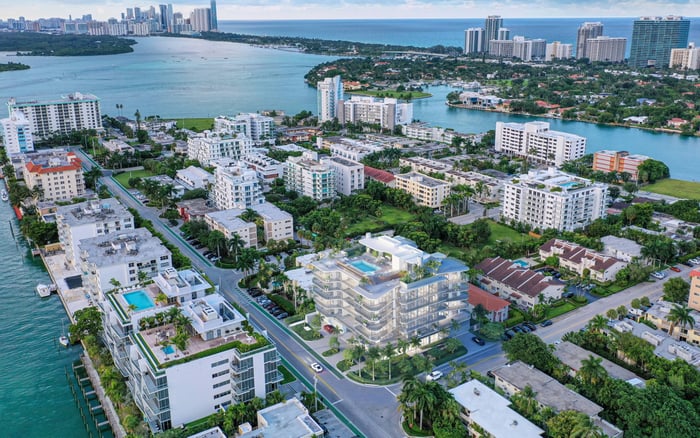
Bay Harbor Islands often appeals to buyers who want a refined residential tone without making privacy feel ceremonial. Here, discretion is created through lower drama: calm streets, measured arrivals, intimate building scale, and a sense that the home belongs to a neighborhood rather than a stage set.
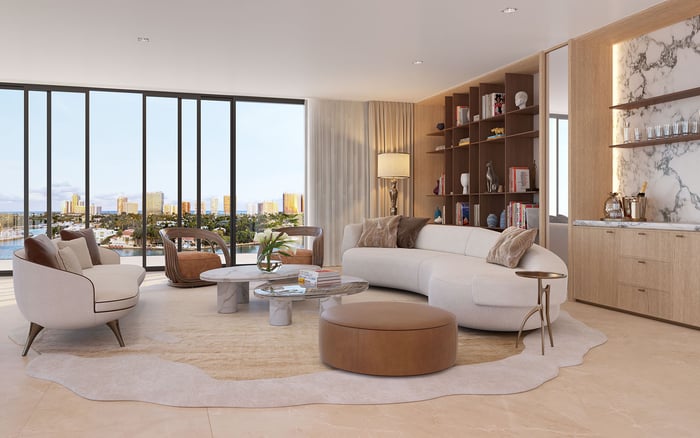
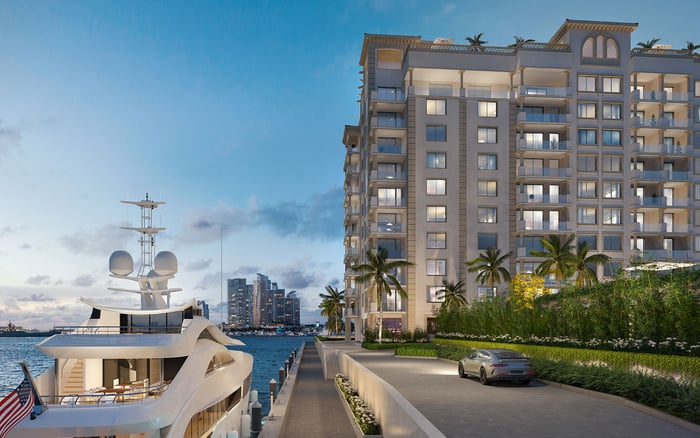
For many buyers, the island-side experience is attractive because the security layer can be absorbed into daily routine. The best buildings do not rely on obvious theatrics. They use lobby proportion, front-desk professionalism, garage control, elevator planning, and landscape buffering to create a composed sequence from curb to residence. A project such as Alana Bay Harbor Islands belongs in that conversation because buyers evaluating the area are often seeking a more boutique sense of arrival and an address that does not feel overly exposed.
This is also where governance becomes important. Discreet security is not only architecture. It is house culture. A building that handles deliveries elegantly, manages vendors without fuss, and treats visitors with quiet formality can feel far more secure than one that relies on visible intensity. Buyers comparing Bay Harbor Towers with other options should ask how the building actually works at different hours, not just how the lobby photographs.
Surfside is different because its lifestyle promise is naturally tied to water, light, and the resort-like ease of coastal living. Privacy here is often about controlling the transition between public-facing beauty and private residential calm. The question is not whether the setting feels desirable. It is whether the building’s design protects the owner from feeling constantly on display.
For buyers considering Ocean House Surfside, the evaluation should focus on how arrivals, beach access, guest movement, service routes, and amenity circulation are separated or choreographed. The most elegant security in a coastal building allows residents to enjoy openness without surrendering composure.
At the ultra-premium end, The Delmore Surfside represents the type of project a buyer may study when seeking a more substantial privacy proposition in a beach-oriented setting. The key is to look beyond the promise of exclusivity and examine the operational details. How are residents recognized? How are guests received? How does the building maintain a serene atmosphere when owners, family members, staff, drivers, and service providers all need access?
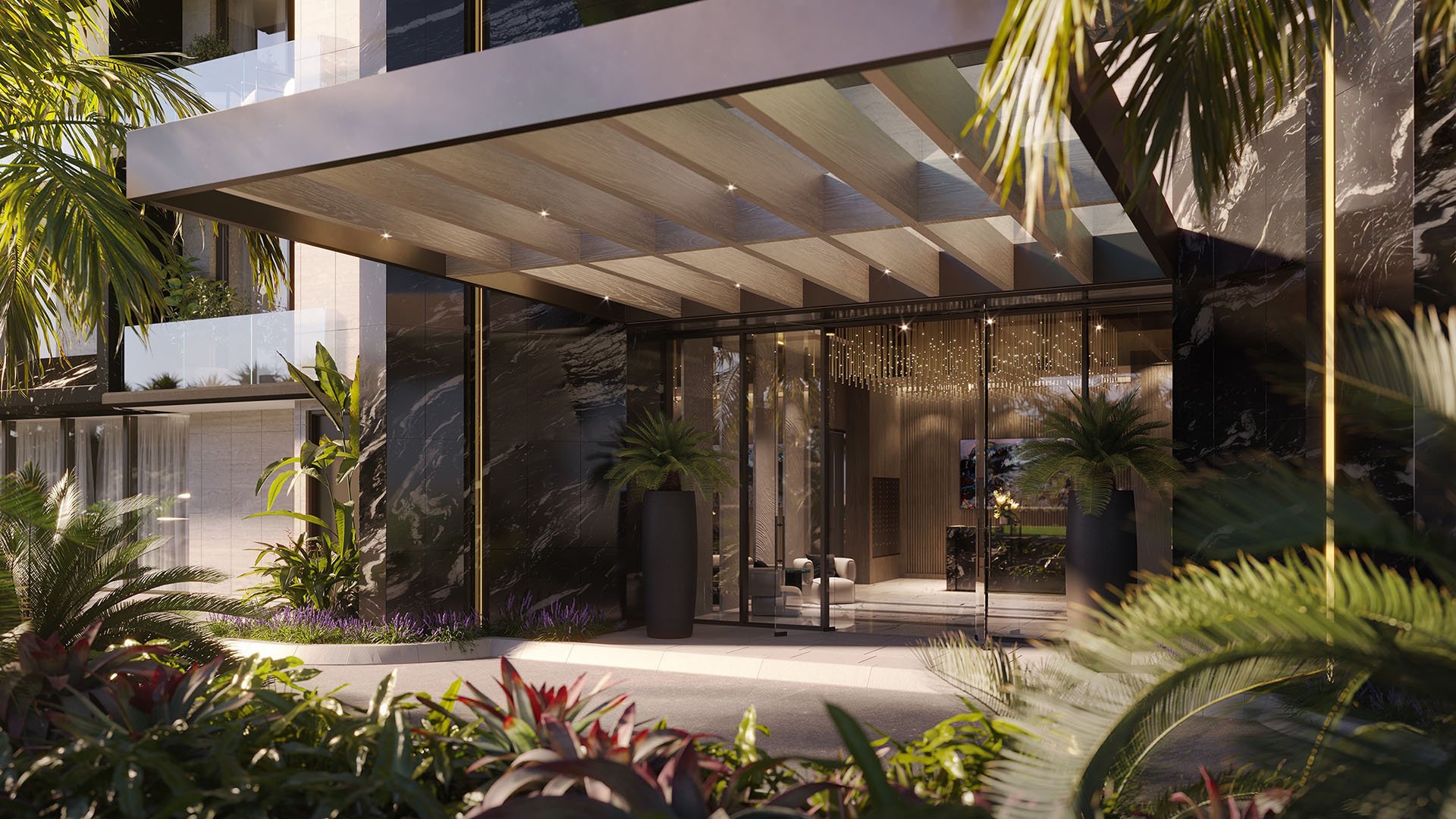
Discreet security has a texture. It feels calm, exact, and almost invisible. A resident should not have to explain themselves repeatedly, but strangers should not drift through the building casually. Staff should be warm without becoming familiar. Access should be controlled without making the entrance feel like a checkpoint.
The physical cues matter. A recessed entry can feel more composed than an exposed one. Landscaping can soften the experience while shaping visibility. A well-scaled lobby can slow movement without creating congestion. Garage access should feel intuitive and protected. Elevator access should support privacy, especially for larger residences or buyers who host frequently.
The service cues matter just as much. The most valuable teams know the difference between hospitality and performance. They do not over-greet, over-question, or over-explain. They anticipate. That is the standard many buyers now want, especially those moving between multiple homes, traveling often, or receiving guests who expect discretion.
A practical comparison between Bay Harbor Islands and Surfside should begin with three tests.
First, study arrival. Drive the route at different times. Notice whether the approach feels calm or congested, visible or sheltered, intuitive or awkward. The finest residence can lose its sense of privacy if the arrival feels improvised.
Second, study exposure. Oceanfront living can be magnificent, but it demands careful design around public edges, amenity spaces, and service corridors. Island living may feel quieter, but a buyer should still evaluate neighboring sightlines, garage movement, and how easily visitors understand the property.
Third, study control. A building’s policies are part of its luxury. Ask how vendors are handled, how short-notice guests are received, how packages are managed, how staff communicate, and whether residents feel known without feeling watched. This is where boutique living can be especially persuasive, provided the staff is trained and the building culture is consistent.
For wellness-minded buyers, The Well Bay Harbor Islands may enter the discussion because privacy today is often tied to daily restoration. A secure home should reduce friction. It should make the day quieter, not simply more controlled.
Bay Harbor Islands may suit the buyer who wants a more residential cadence, a sense of separation from the most visible beachfront energy, and security that blends into the neighborhood fabric. It can be compelling for owners who value understated entrances, smaller social fields, and a building environment where staff familiarity feels personal rather than performative.
It may also work well for buyers who entertain selectively. If the home is a retreat rather than a stage, the quieter island setting can support a more private emotional register. The experience is less about arrival theater and more about returning to a controlled, graceful base.
Surfside may be preferable for buyers who want the sensory value of coastal living while still expecting serious discretion. The decision turns on the building. A strong Surfside residence should allow the beach lifestyle to feel effortless while preserving privacy in the lobby, elevators, amenities, parking, and service functions.
This is especially relevant for buyers who split time between homes and want immediate relaxation on arrival. Oceanfront is not only a view category. It is a way of moving through the day. The right building makes that rhythm feel protected, not public.
The most refined security does not ask to be admired. It simply works. Bay Harbor Islands and Surfside can both satisfy a privacy-driven buyer, but they do so through different atmospheres. Bay Harbor Islands leans toward residential restraint. Surfside leans toward coastal ease with a higher premium on choreographed transitions.
The winning choice is the one where you feel your shoulders drop when you arrive. Not because someone performed security for you, but because the design, staff, policies, and setting all agree on the same quiet promise: you are home, and the world has been edited at the door.
Is Bay Harbor Islands more discreet than Surfside? It can feel more residential in tone, but discretion depends on the specific building, arrival sequence, staffing, and governance.
Is Surfside too visible for privacy-focused buyers? Not necessarily. The right Surfside building can combine beach access with carefully managed private residential circulation.
What is the first security detail a buyer should notice? Arrival is the first test, including curb approach, garage entry, lobby control, and how calmly staff manage movement.
Does a dramatic entrance mean better security? No. In luxury residential settings, the best security often feels understated, seamless, and almost invisible.
Why does staffing matter so much? Staff translate policies into daily experience, shaping whether residents feel recognized, protected, or over-managed.
Are boutique buildings better for discretion? Boutique buildings can feel more personal, but only if operations are consistent and access is handled with discipline.
Should buyers ask about guest procedures? Yes. Guest handling reveals whether a building balances hospitality with privacy in a polished way.
How should oceanfront buyers evaluate security? They should study how the building separates beach access, amenities, service routes, parking, and private elevators.
What role does design play in privacy? Design shapes sightlines, pacing, thresholds, and how naturally a resident moves from public space to private home.
What is the best way to shortlist comparable options for touring? Start with location fit, delivery status, and daily lifestyle priorities, then compare stacks and elevations to validate views and privacy.
For a confidential assessment and a building-by-building shortlist, connect with MILLION.
If branded residences are on your mind — as a home or as an allocation — we would be glad to share what we are seeing, privately.
Begin a quiet conversation