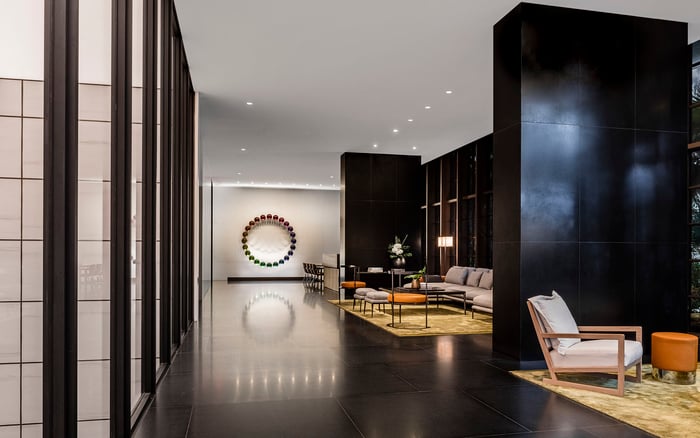
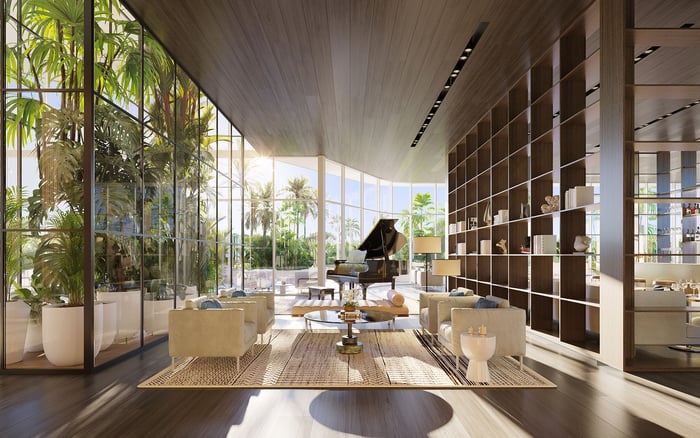
Two generations of Surfside luxury residences show why service quality, privacy, wellness, and operating discipline matter more than the length of an amenity list.
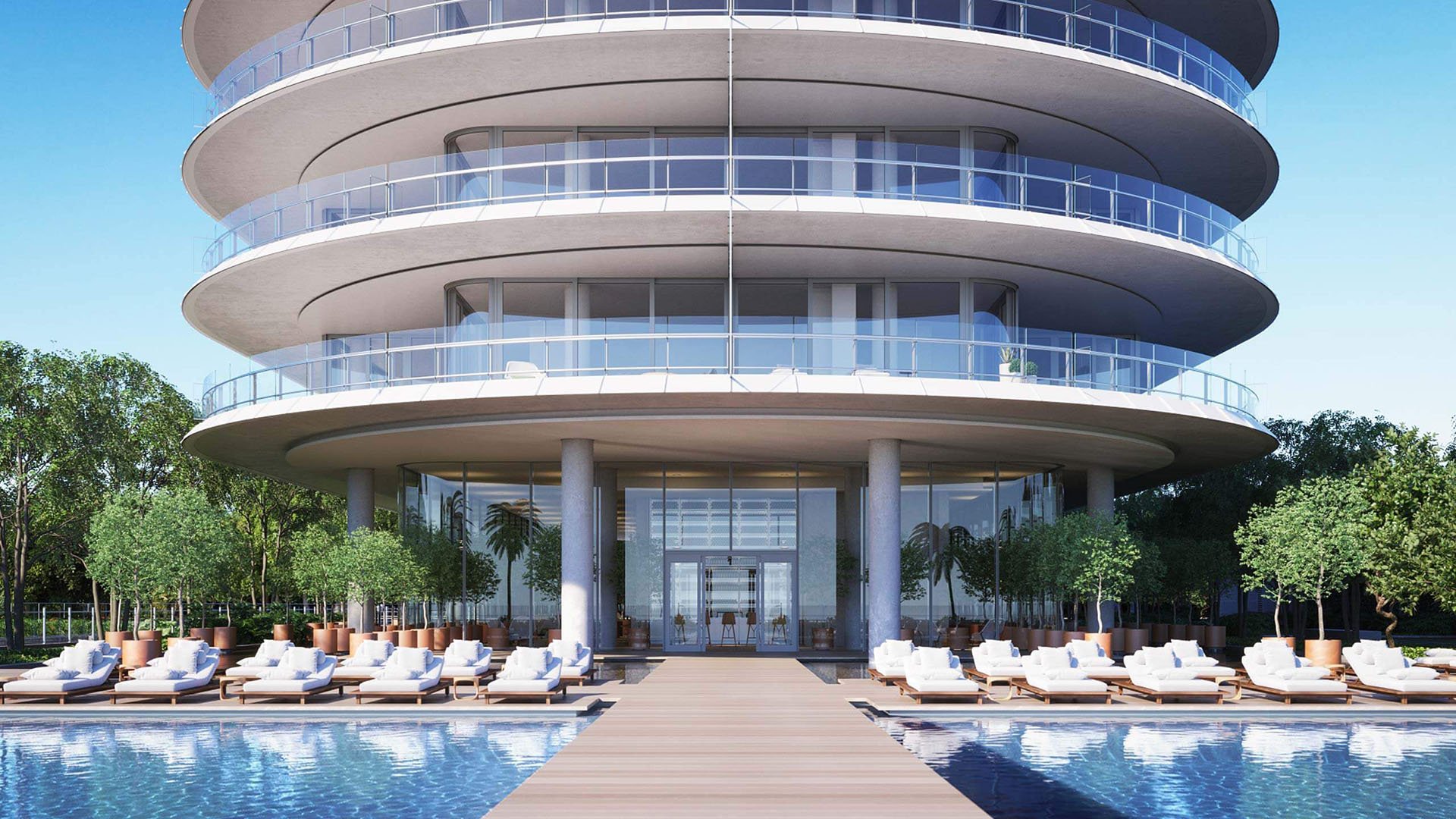
For 2026 buyers, the most consequential feature in an ultra-premium condominium may not be visible during a tour. It is the operating culture behind the residence: how arrivals are handled, privacy is protected, requests are anticipated, and wellness and service are integrated rather than appended.
That distinction comes into focus when considering Eighty Seven Park Surfside and The Delmore Surfside. The first represents an earlier generation of hospitality-infused ownership, combining recognized design, an oceanfront position, a park-front setting, amenities, and hotel-like residential service. The second points toward a smaller-scale, curated model centered on personalization, wellness, privacy, and discreet daily touchpoints.
Together, they suggest that residential hospitality is evolving from a collection of impressive spaces into a carefully managed way of living.
Eighty Seven Park illustrates how a fully residential condominium can adopt the attentiveness associated with a hotel without operating primarily as a condo-hotel. Its identity unites private ownership, architecture, location, amenities, and service, while the adjoining park contributes meaningfully to the residential experience.
This matters because hospitality serves a different purpose in a private building than in a transient setting. The objective is neither turnover nor spectacle, but continuity: residents should feel known, protected, and supported while their homes retain the composure of a private address.
The project’s internationally recognized design pedigree reinforces a larger lesson. Service is most persuasive when it complements the architecture and setting, preserving the building’s calm rather than competing with it.
The Delmore advances the conversation by emphasizing everyday service touchpoints rather than amenity accumulation alone. Its concept centers on privacy, personalization, discreet service, wellness, and high-touch operations, creating the atmosphere of a private members’ club rather than a transient hotel.
That framing speaks directly to buyers who already have access to luxury elsewhere. For this audience, abundance is not necessarily a differentiator. Relevance is. A service platform earns its value by reducing friction, respecting preferences, and supporting routines without making the machinery of hospitality conspicuous.
Details about The Delmore’s future operations remain limited, so buyers should treat the concept as the beginning of diligence, not the conclusion. The decisive questions are how the vision will be staffed, governed, funded, and sustained after delivery.
Surfside offers a useful setting for this shift because privacy, architecture, and oceanfront living already carry significant weight. Nearby residences express related ideas through distinct identities. Arte Surfside contributes a boutique architectural perspective, while The Surf Club Four Seasons Surfside brings a globally familiar hospitality sensibility into a residential context.
These are not interchangeable propositions. Instead, they show why buyers should examine the relationship among physical design, service culture, and resident privacy. A beautifully conceived amenity can disappoint when access, staffing, maintenance, or reservation procedures create friction. A more restrained offering may feel richer when execution is precise.
The lifestyle question is therefore practical: Does the building make ownership easier and more private on an ordinary day?
For readers accustomed to buyer’s guides, the familiar checklist of views, finishes, and amenities is no longer sufficient. Buyers should evaluate the operating platform with the same rigor they apply to the residence itself.
Start with staffing. Determine which services are intended to be consistently available, which may carry separate charges, and how coverage is structured. Ask how personalization will be recorded and delivered without compromising discretion.
Then examine the economics. Hotel-like care can improve lock-and-leave convenience, but greater staffing and service requirements may increase recurring costs. Association dues should be weighed alongside reserve funding, insurance, maintenance responsibilities, and the long-term expense of preserving specialized amenities.
Governance deserves equal attention. Review current condominium documents, management agreements, rental restrictions, and the allocation of authority between the association and any service operator. Confirm life-safety provisions and understand how operational standards may be modified over time.
Finally, test the promise against daily life. Wellness should be evaluated as a usable routine, not merely a room label. Privacy should extend from arrival and visitor handling to service access. Customization should be supported by systems and trained personnel rather than informal goodwill.
Eighty Seven Park and The Delmore reveal two stages of the same market evolution. One demonstrates that an architecturally distinguished, fully residential building can successfully borrow the service language of hospitality. The other reflects a newer ambition: to make service quieter, more personal, and more closely aligned with wellness and privacy.
For the 2026 buyer, the winning proposition is unlikely to be the building with the longest brochure. It will be the residence where architecture, operations, and discretion function as one system-and where that system is financially and institutionally durable.
What is residential hospitality? It is the integration of private condominium ownership with attentive, hotel-like services designed for residents rather than transient guests.
Is Eighty Seven Park a condo-hotel? It illustrates hotel-style residential service within a fully residential building, without operating primarily as a condo-hotel.
What distinguishes Eighty Seven Park’s setting? Its oceanfront and park-front position is central to both its identity and the residential experience.
How does The Delmore approach service? Its concept emphasizes discreet daily touchpoints, personalization, privacy, wellness, and high-touch operations.
Why does a smaller-scale approach matter? It can support a more curated atmosphere in which service feels personal rather than programmed for transient traffic.
Are more amenities always better? No. Buyers should prioritize usability, staffing, maintenance, access, and execution over the number of spaces presented.
What operating documents should buyers review? Review current association materials, management agreements, rental restrictions, reserve information, insurance, and life-safety provisions.
Can residential hospitality raise ownership costs? Yes. Additional staffing and service requirements can increase recurring expenses, making dues and long-term funding important considerations.
How should buyers evaluate wellness claims? Assess whether wellness features support realistic daily routines and whether staffing, access, and maintenance are clearly addressed.
What is the central lesson for 2026 buyers? Durable luxury comes from the alignment of architecture, privacy, service, wellness, governance, and financial discipline.
To compare the best-fit options with clarity, connect with MILLION.
If branded residences are on your mind — as a home or as an allocation — we would be glad to share what we are seeing, privately.
Begin a quiet conversation