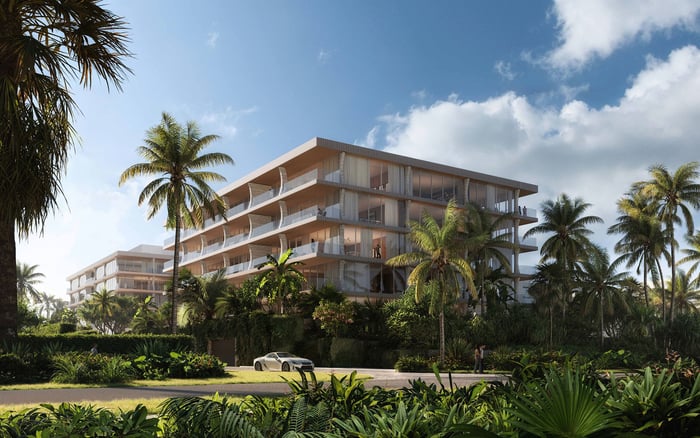
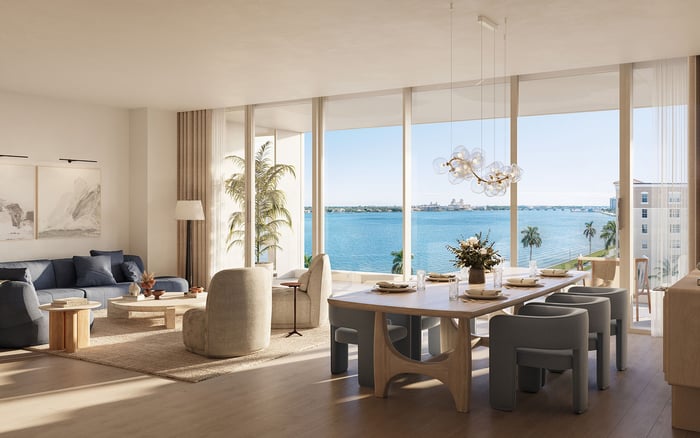
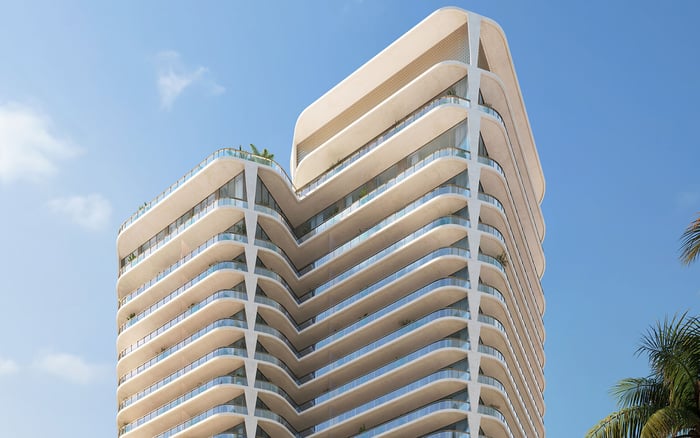
A discreet buyer guide to evaluating pool-seating availability at Banyan Tree Residences West Palm Beach through the lenses of privacy, service experience, daily use, and future resale appeal.
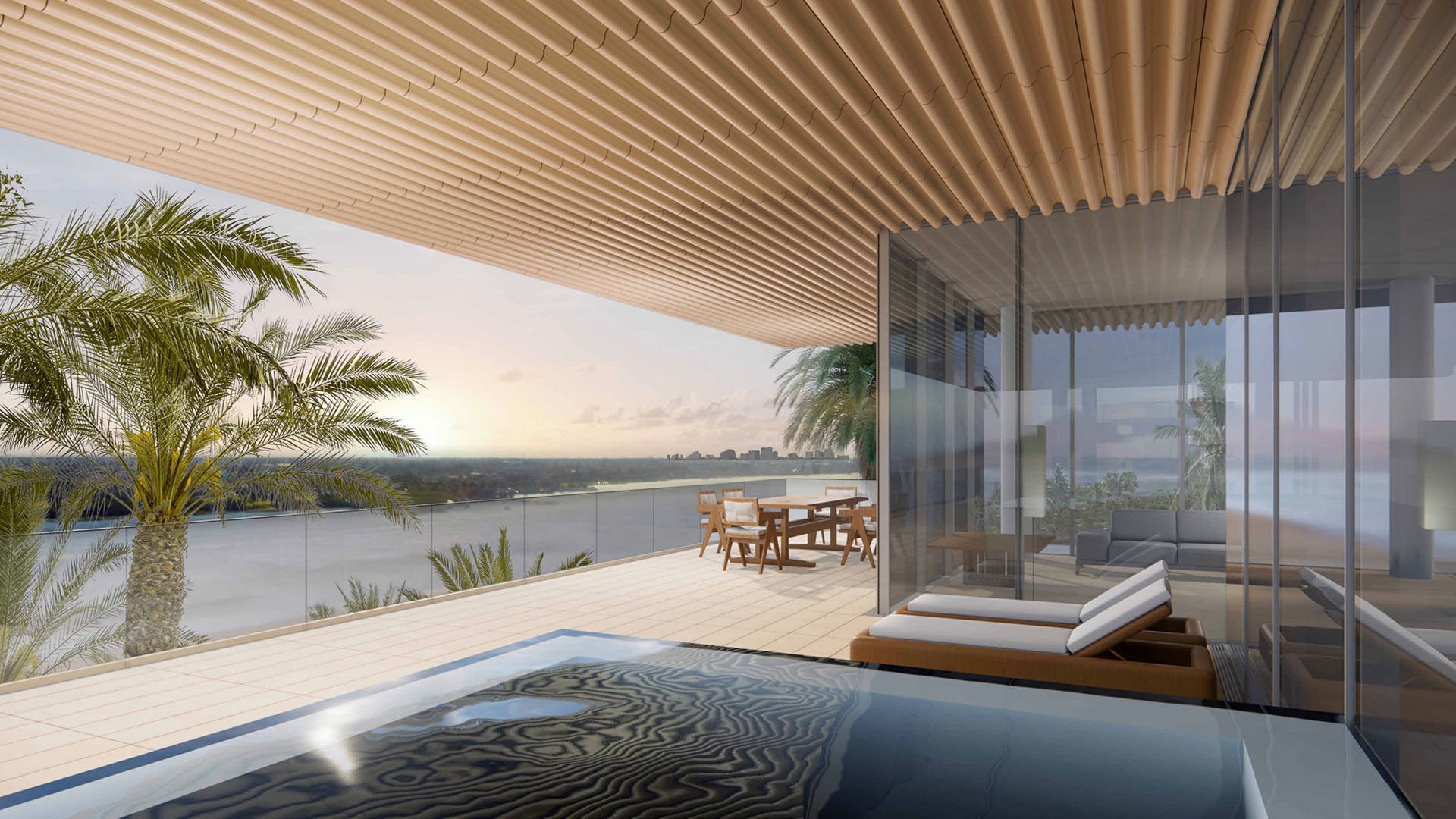
At Banyan Tree Residences West Palm Beach, pool-seating availability deserves the same scrutiny as views, ceiling heights, parking, storage, and terrace depth. For a luxury buyer, the pool deck is not simply an amenity photograph. It is a daily-use environment that can determine whether the residence feels composed, private, and well serviced at the moments that matter most.
The best pool experiences are often defined by what is absent: no scramble for chairs, no awkward proximity, no sense of exposure, and no uncertainty over who controls the best seating. A buyer evaluating Banyan Tree Residences West Palm Beach should look beyond the number of loungers and consider how the full seating ecosystem functions. Privacy, service, and resale value are all shaped by the same core question: whether the amenity feels generous when the building is fully alive.
For search shorthand, many buyers may group this decision under West Palm Beach, Palm Beach, pool, resale, new construction, and second-home considerations. The more refined approach is to translate those labels into practical questions about daily comfort and long-term desirability.
A large pool deck can still feel constrained if seating is poorly distributed, exposed to heavy circulation, or clustered near service paths. Conversely, a more compact deck can feel serene if its seating is layered, shaded, and carefully managed. Chair count is only the opening question. The more revealing issue is whether residents can use the pool naturally, without arranging their day around access.
Availability should be reviewed across three time frames. First, the quiet weekday morning, when privacy and ritual matter. Second, the high-demand afternoon, when sun, shade, and service pressure become obvious. Third, the holiday or guest-heavy period, when management standards are tested. A residence that performs across all three carries a different lifestyle value than one that looks polished only during a private tour.
Buyers should also distinguish between visual availability and functional availability. An empty chair in the wrong location may not be desirable. Seating beside a main walkway, near a service door, directly under a neighboring sightline, or without shade may technically count, but it may not deliver the experience expected in an ultra-premium environment.
Privacy begins with sightlines. A buyer should ask where residents are visible from other amenity areas, residential corridors, neighboring terraces, public-facing edges, and service zones. Pool seating that feels private is usually protected by distance, landscaping, elevation changes, architectural screening, or thoughtful orientation.
The most desirable seating often has a sense of enclosure without feeling walled in. Look for zones that allow conversation at a normal tone, a book to be read without distraction, and a guest to be hosted without the sensation of being on display. If seating is placed in long, uninterrupted rows, the deck may feel more like a resort inventory plan than a residential extension of home.
Spacing is equally important. Luxury buyers should consider the distance between loungers, the width of walking paths, and whether staff can move through the deck without interrupting residents. A beautiful pool chair loses value if every beverage delivery, towel change, or passing conversation cuts through the sense of calm.
Shade should be evaluated as a privacy feature, not merely a comfort feature. Umbrellas, cabanas, covered lounges, and planted edges can reduce exposure while creating distinct social gradients. A buyer who plans to use the residence as a second home may care deeply about this. The best pool seating makes arrival feel effortless, even after time away.
Service quality is not only about attentiveness. It is about predictability. A buyer should understand how pool seating is allocated, whether reservations are permitted, whether certain seats or cabanas are controlled differently, how guests are handled, and how management responds when demand is high.
The key question is simple: who gets the best seat, and why? In some luxury settings, the answer may be first come, first served. In others, it may involve reservations, concierge coordination, cabana policies, guest limitations, or event-related restrictions. None of these systems is inherently good or bad. What matters is whether the system is clear, fair, and aligned with the buyer's expected lifestyle.
Staffing patterns also matter. A pool deck can have attractive seating and still feel under-supported if staff coverage is thin at peak hours. Buyers should ask how towel service, food and beverage requests, cleanup, guest check-in, and seating turnover are handled. The smoother these elements feel, the more the amenity becomes part of the residence's invisible luxury.
For a new-construction buyer, the most important review may happen before habits have formed. Early rules can define resident expectations for years. A well-managed pool-seating program can preserve the tone of the building, while an ambiguous one can create friction among residents who all believe they purchased the same level of access.
Resale value is not driven by one chair or one cabana. It is shaped by the overall impression a future buyer receives when touring, visiting, and imagining life in the building. Pool-seating availability influences that impression in subtle but meaningful ways.
A residence with a calm, well-scaled pool experience can feel more exclusive than one where the amenity appears busy, compressed, or socially uncertain. Future buyers may not phrase their reaction in technical terms, but they will notice whether the pool deck feels relaxed. They will notice whether seating seems scarce. They will notice whether there is a natural place to sit with family, host a guest, take a call, or enjoy shade without compromise.
For investors and long-horizon owners, the question is not whether every future buyer will prioritize the pool. The question is whether the amenity package avoids obvious points of resistance. Pool seating is one of those details that can either support the building's premium narrative or quietly weaken it.
This is especially important in a market where buyers compare lifestyle with precision. A strong private residence is not judged only by its interiors. It is judged by how the full property behaves when it is being used. If the pool deck feels composed during peak demand, that can become part of the building's enduring appeal.
Before making a final decision, ask to review the pool deck plan and understand how seating is distributed. Look for dedicated quiet zones, family-friendly zones, shaded seating, circulation paths, and the relationship between the pool, food service, restrooms, elevators, and residential access points.
Ask whether any seating is reserved, premium, private, seasonal, or subject to special rules. Confirm how guests are accommodated and whether limits apply during weekends, holidays, or building events. If cabanas are included, understand whether they are common amenities, separately controlled, limited by reservation, or tied to ownership rights.
A thoughtful buyer should also ask how conflicts are resolved. The answer may reveal more than the rule itself. Luxury service depends on tone, discretion, and consistency. A pool-seating policy should not feel improvised.
Finally, evaluate the amenity as a resident, not as a visitor. Imagine arriving without notice on a perfect afternoon. Imagine hosting another couple. Imagine spending two hours alone with a book. If the seating plan supports those moments with privacy and ease, the pool deck is doing more than providing leisure. It is protecting the value of daily life.
Why is pool-seating availability important at Banyan Tree Residences West Palm Beach? It affects how private, comfortable, and usable the amenity feels during real daily life, especially at peak times.
Should buyers focus on the number of pool chairs? Chair count matters, but spacing, shade, sightlines, service flow, and rules often matter more.
What makes a pool seat feel private? Privacy comes from distance, screening, orientation, controlled circulation, and protection from direct sightlines.
How can service policies affect the pool experience? Reservation rules, guest limits, towel service, food service, and staff coverage can define how effortless the deck feels.
Are cabanas always better than loungers? Not always. A well-placed lounger may offer better privacy and light than a cabana in a high-traffic location.
What should a buyer ask before contract? Ask how seating is allocated, whether areas are reserved, how guests are managed, and how peak demand is handled.
Can pool seating influence resale? Yes. Future buyers often respond to the overall ease, privacy, and refinement of the amenity experience.
Is shade part of the privacy equation? Yes. Shade can reduce exposure, create softer boundaries, and make seating usable for longer periods.
How should second-home buyers evaluate the pool deck? They should consider whether the amenity feels easy to use after long absences, without special planning or uncertainty.
What is the best way to shortlist comparable options for touring? Start with location fit, delivery status, and daily lifestyle priorities, then compare stacks and elevations to validate views and privacy.
To compare the best-fit options with clarity, connect with MILLION.
If branded residences are on your mind — as a home or as an allocation — we would be glad to share what we are seeing, privately.
Begin a quiet conversation