A privacy-led comparison of Avenia Aventura and The Well Bay Harbor Islands for buyers who host private events and want controlled guest flow, quieter resident circulation, and discreet service logistics.
For buyers comparing Avenia Aventura and The Well Bay Harbor Islands, the central question is not which residence feels more luxurious in the abstract. It is which one better protects daily life when the owner hosts a private dinner, family celebration, art preview, wellness gathering, or donor reception. Event privacy sets a higher bar than ordinary residential discretion because it brings guests, vendors, staff, arrivals, departures, deliveries, music, conversation, and occasional congestion into the building’s private rhythm.
That distinction matters in South Florida, where many ultra-prime owners entertain with the expectation that a residence can perform socially without surrendering control. A building may feel serene on a quiet weekday and still become exposed if event guests move through resident-only corridors, share elevator banks, or gather in amenity zones used by other owners. The sharper buyer analysis therefore begins with circulation, credentialing, sightlines, acoustic separation, and service logistics.
Through that lens, Avenia Aventura appears more compelling for buyers who prioritize controlled event circulation, provided its final amenity layouts and rules confirm that guests can be routed without compromising private residential areas. The Well Bay Harbor Islands may appeal more to buyers who value a quieter island setting and wellness-oriented atmosphere, provided its shared amenities, exterior exposure, and visitor protocols do not create unwanted overlap.
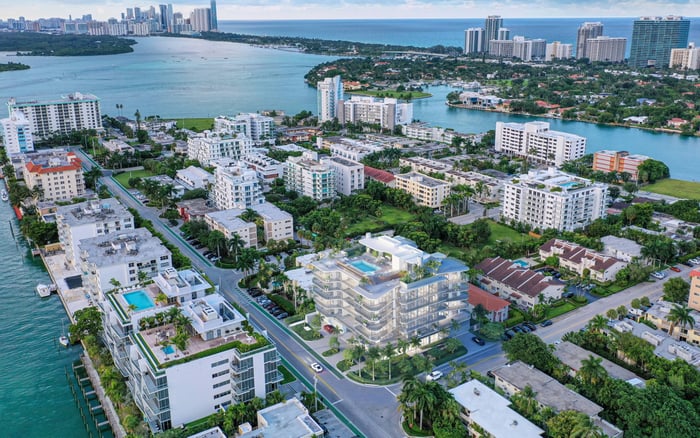
Avenia Aventura enters the comparison with an advantage if the buyer’s central concern is separating entertainment from home life. In Aventura, the privacy test is practical: can invited guests arrive, be received, move to an event space, and exit without turning the building’s residential core into the event pathway? If the answer is yes, the building becomes a stronger candidate for owners who host regularly but want the residence itself to remain insulated.
For Avenia Aventura, the key diligence point is whether event guests can be directed through controlled arrival points and kept within appropriate amenity or reception zones. Buyers should review the relationship among lobbies, concierge areas, amenity rooms, elevators, parking access, and private residential corridors. A compelling privacy plan would allow a host to welcome guests elegantly while keeping resident circulation calm, legible, and visibly separate.
Service logistics deserve equal scrutiny. Caterers, florists, security teams, valet operators, musicians, and event staff quickly reveal whether a building is truly designed for discreet entertaining. The relevant question is not simply whether vendors are allowed, but where they unload, how they are credentialed, where they stage, which elevators they use, and whether their movement intersects with residents coming home from dinner or returning from the pool. New-construction buyers should press for operating rules, not just renderings.
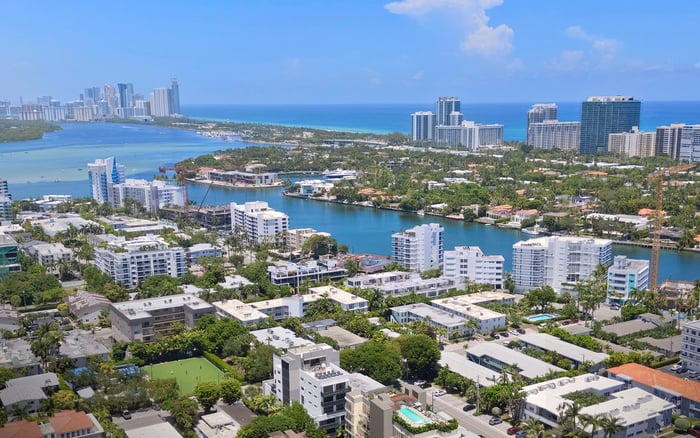
The Well Bay Harbor Islands carries a different privacy argument. Its appeal is likely strongest for a buyer who wants a quieter, wellness-led residential atmosphere rather than a visibly social building rhythm. The Bay Harbor setting can support a sense of retreat, but event privacy still depends on the interior and exterior plan. Island calm is valuable, yet it is not a substitute for controlled circulation.
The most important issue for The Well Bay Harbor Islands is visitor overlap. Wellness, dining, lounge, pool, and shared amenity areas can elevate the day-to-day experience, but they also raise questions when a resident hosts an event. If an owner’s guests pass through the same areas where residents are decompressing, exercising, dining, or gathering quietly, the residence may feel less private during active social use.
Sightlines also matter here. Waterfront exposure, terraces, balconies, amenity decks, and arrival areas can all shape how visible a private gathering feels from neighboring residences, boats, streets, or common spaces. A buyer drawn to The Well Bay Harbor Islands should study whether exterior seclusion and amenity placement help shield events, or whether the most attractive lifestyle spaces also become the most visible ones.
First, ask about arrival control. Event guests should have a clear, elegant path that does not expose the building’s most private daily-use zones. For Avenia Aventura, this means confirming whether entertainment circulation is compartmentalized. For The Well Bay Harbor Islands, it means understanding whether wellness and social amenity paths remain calm when visitors arrive.
Second, ask about credentialing. Guest privacy is only as strong as the screening protocol behind it. Buyers should confirm whether events require advance guest lists, identification checks, digital access permissions, security staffing, concierge coordination, or special approvals. No buyer should assume these details from branding alone.
Third, ask about sound. Acoustic separation is a key unresolved issue for both projects because no confirmed technical specifications here allow a definitive comparison. A buyer planning private dinners with music, charity events, or late-evening gatherings should ask how amenity rooms, terraces, corridors, and adjacent residences are protected from event noise.
Fourth, ask about rules. Association policies can matter as much as architecture. Guest limits, amenity reservation procedures, event hours, insurance requirements, alcohol rules, vendor restrictions, valet procedures, and security staffing can determine whether a residence is genuinely event-capable or only occasionally event-tolerant.
The more event-driven buyer should begin with Avenia Aventura if the priority is controlled movement. Its strongest possible advantage would be a building plan that lets guests and vendors enter, gather, and depart without intruding on residential corridors or elevator banks. That is the profile of a residence for owners who entertain with polish but do not want their private life to become part of the event.
The more retreat-driven buyer should give The Well Bay Harbor Islands serious consideration if the priority is a quieter atmosphere and wellness-oriented discretion. Its strongest possible advantage would be a site plan that limits exterior exposure, avoids amenity congestion, and protects residents from visitor overlap during private gatherings.
The final decision should be conditional rather than emotional. Avenia Aventura is likely the better fit if verified plans show stronger separation between entertaining and residential circulation. The Well Bay Harbor Islands is likely the better fit if verified plans show stronger exterior seclusion, quieter shared spaces, and lower visitor exposure. In either case, the sophisticated buyer should request the amenity map, event policy, vendor protocol, guest-access procedure, and sound-control explanation before treating privacy as a settled feature.
Which building is better for hosting private events? Avenia Aventura appears stronger if its event spaces and circulation are more compartmentalized. The conclusion should be confirmed through plans and building rules.
Why might The Well Bay Harbor Islands still be the better fit? It may suit buyers who prioritize a quieter island mood and wellness-oriented discretion. The key is whether shared amenities avoid visitor overlap.
What should buyers ask before reserving an amenity room? Ask about guest limits, event hours, insurance, security staffing, vendor rules, and whether residents share the same circulation path.
Is acoustic privacy confirmed for either project? No technical sound-containment specifications are confirmed here. Buyers should request details on walls, doors, terraces, and adjacent residences.
Do guest credentials matter for event privacy? Yes. Advance guest lists, ID checks, digital access, and concierge coordination can determine how private an event actually feels.
What vendor questions are most important? Ask where caterers, florists, valet teams, entertainers, and security staff unload, stage, enter, and circulate inside the property.
Can a wellness-focused building create privacy issues? It can if guests overlap with residents using wellness, dining, lounge, terrace, or pool areas. The layout determines the risk.
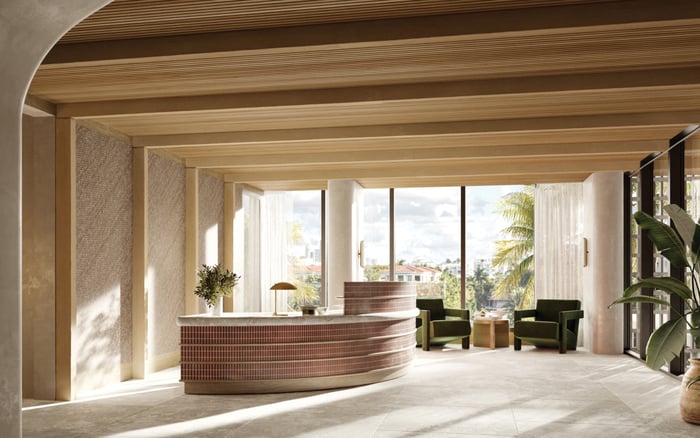
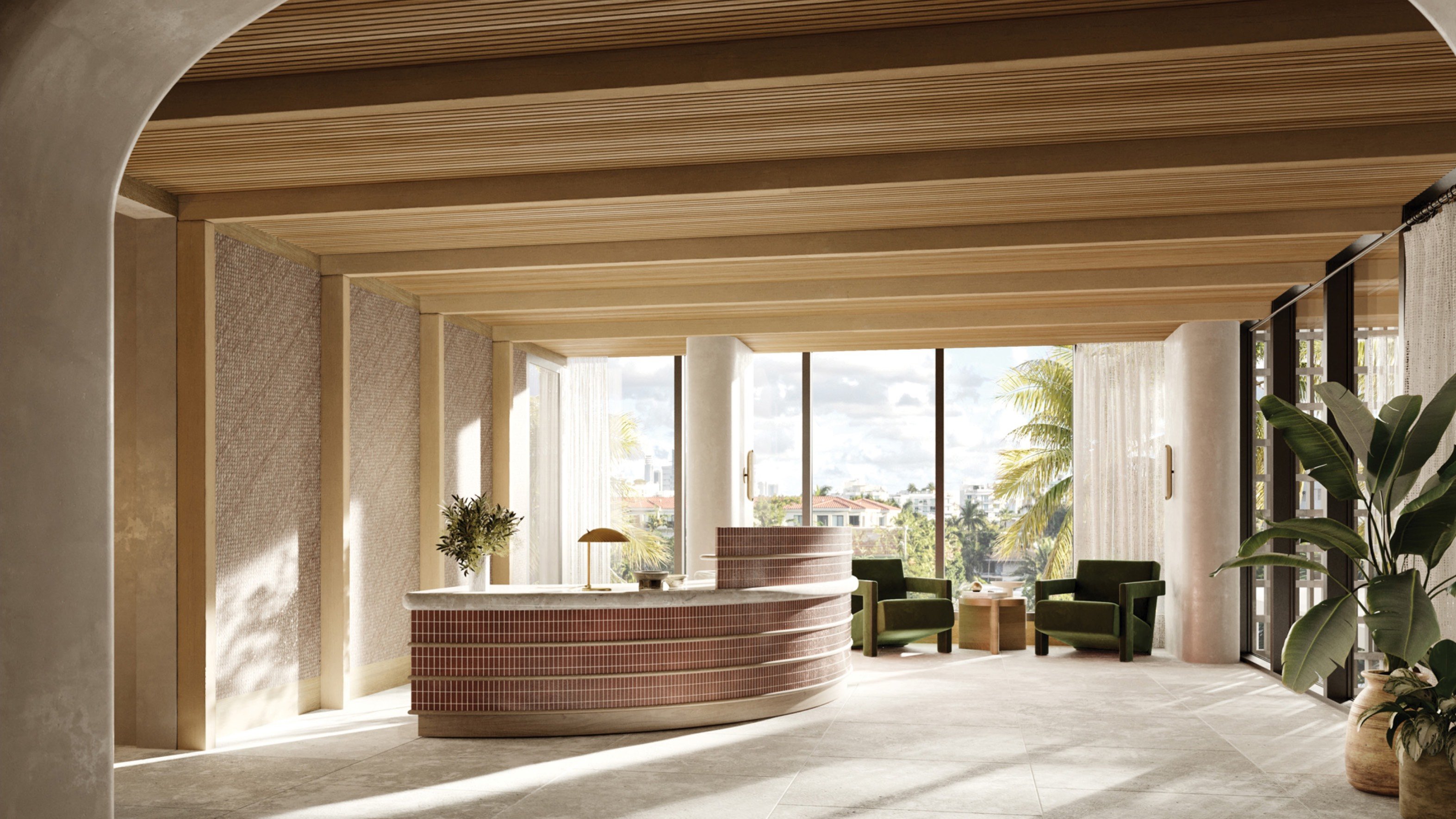
Should buyers rely on renderings to judge privacy? No. Renderings may show mood, but privacy depends on access control, circulation, operating rules, sightlines, and sound separation.
What should Aventura buyers focus on in this comparison? Aventura buyers should focus on how Avenia Aventura manages guest movement during private events. Controlled arrival and separate resident circulation are the key questions.
What should Bay Harbor Islands buyers focus on in this comparison? Bay Harbor Islands buyers should focus on whether The Well Bay Harbor Islands supports a quieter setting, wellness orientation, and discretion without visitor overlap.
For a discreet conversation and a curated building-by-building shortlist, connect with MILLION.
If branded residences are on your mind — as a home or as an allocation — we would be glad to share what we are seeing, privately.
Begin a quiet conversation