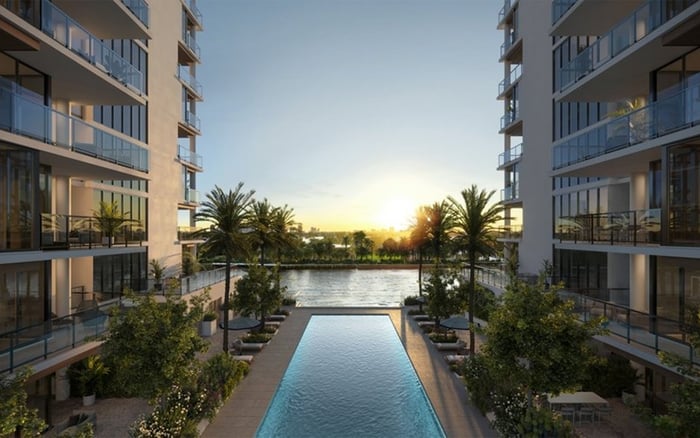
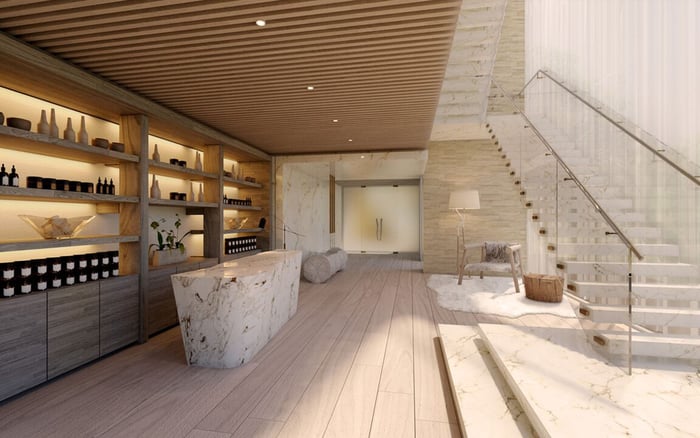
A buyer-oriented look at how full-time owners should evaluate Auberge Beach Residences & Spa Fort Lauderdale alongside The Ritz-Carlton Residences® Fort Lauderdale, with emphasis on privacy, amenity access, operating rhythm, and the realities of living on Fort Lauderdale Beach year-round.
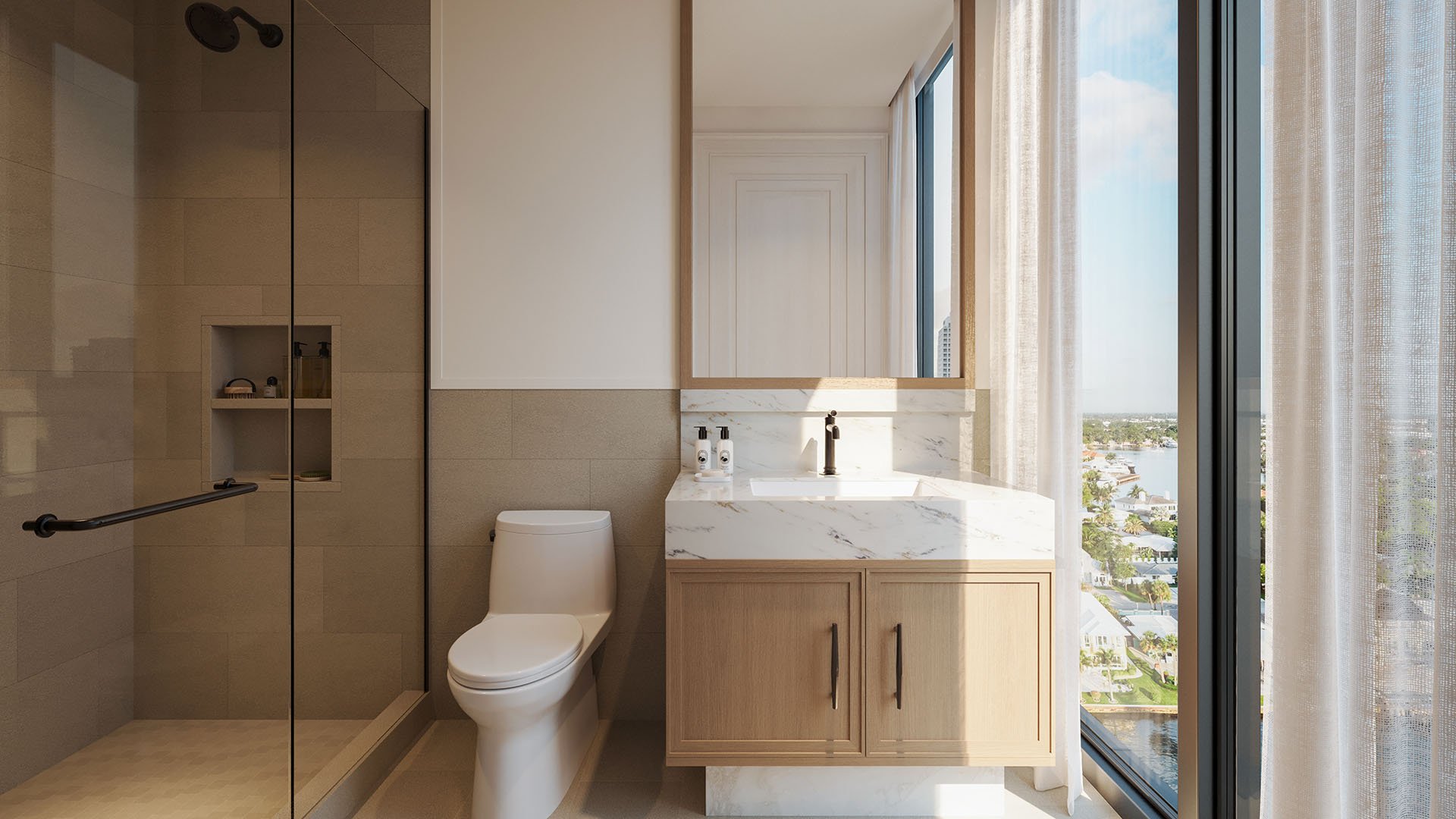
For a full-time buyer, the difference between a beautiful beach residence and a genuinely livable one rarely appears in glamour photography. It reveals itself at 8:15 on a Tuesday morning, in the elevator during peak season, at the spa desk after a stormy weekend, and in the way a building decides who has priority when demand is high.
That is the more sophisticated lens for comparing Auberge Beach Residences & Spa Fort Lauderdale with The Ritz-Carlton Residences® Fort Lauderdale. Both names carry luxury resonance, but brand is not the central question for an owner who expects to live there most of the year. The real question is operational: who is the building designed to serve first, and how does that priority show up in ordinary daily life?
In Fort Lauderdale, where sand, skyline and boating culture meet a more relaxed alternative to Miami Beach, the best residences are judged by more than finish quality. They are judged by privacy, arrival sequence, amenity pressure, food and beverage access, service consistency, guest policy, storm-season preparedness and the subtle tempo of the surrounding neighborhood.
Auberge Beach Residences & Spa Fort Lauderdale is best evaluated through a residential-resort lens. For a full-time owner, that means looking beyond the presence of amenities and asking whether the day-to-day experience is calibrated around residents, their guests and repeat use rather than one-time impressions.
This distinction matters because a full-time resident uses a building differently from a visitor. The owner notices whether staff recognition feels consistent, whether lobby traffic feels composed, whether spa or dining access feels practical, and whether the shared spaces retain a sense of privacy when the beach and neighborhood are active.
That does not mean life should feel silent or overly formal. It means the service culture should support continuity. Residents are not simply buying a view; they are buying into a rhythm that should remain comfortable on ordinary weekdays as well as during peak seasonal demand.
For affluent buyers, the phrase “club access” can sound instantly appealing. In practice, it requires careful interpretation. Access can mean resident privileges, shared amenity use, priority reservations, guest allowances, seasonal restrictions, consumption minimums, or rules that shift depending on ownership structure.
At Auberge, buyers should evaluate the club and amenity experience through privacy, owner priority and the degree to which the environment feels protected for residential use. The core attraction is not simply that amenities exist. It is that their use should feel naturally available to owners at the moments they are most likely to want them.
By contrast, buyers studying Ritz-Carlton-branded residences should focus their due diligence on the precise structure of access, privileges and any relationship between branded services and residential governance. The Ritz-Carlton name signals a specific service expectation, but full-time owners should confirm how that expectation translates into daily rules, operating budgets, reservation priority, guest registration and any private-versus-shared amenity distinctions.
This is where the best advisors slow the conversation down. A pool is not merely a pool. A spa is not merely a spa. A club room is not merely a room. In a building used year-round, the key question is whether those spaces remain practical, calm and owner-oriented when demand rises.
Full-time ownership rewards predictability. A second-home buyer may experience a property in curated bursts, often during holidays or long weekends. A primary resident experiences the building through repetition: morning coffee, package retrieval, gym use, valet flow, guest arrivals, dog walks, restaurant bookings and weather interruptions.
For that reason, buyers should examine more than design language. They should ask how association rules, staffing, service scope, reservation systems and amenity policies affect daily life. A luxury residence can look flawless in a tour and still feel less successful if ordinary routines are hard to manage.
The same scrutiny should be applied across Fort Lauderdale’s luxury set. Buyers comparing the beach to nearby waterfront settings may also look at Four Seasons Hotel & Private Residences Fort Lauderdale, where a hotel-and-residence context invites a different set of lifestyle questions. Those who prefer a waterway setting might weigh Riva Residenze Fort Lauderdale for a different daily cadence, especially if boating access and inland movement matter more than being directly on the sand.
The point is not to declare one model universally superior. It is to match the operating model to the owner’s life.
Fort Lauderdale Beach ownership carries a distinct rhythm. Ocean proximity, resort energy and neighborhood convenience can be deeply appealing, but they also create practical questions that full-time owners should evaluate before committing.
Peak-season weekends can intensify activity along the coast. Holiday periods can change restaurant demand and traffic patterns. Storm season brings its own practical questions, from building procedures to the resilience of daily services.
The strongest full-time buyers consider all of this before purchase. They ask how the building functions on ordinary weekdays, how it absorbs peak demand, and how management communicates when weather or high occupancy changes the tempo. An owner-centric paradigm is especially relevant here, because its appeal is rooted in reducing friction when the surrounding market is at its busiest.
In South Florida terms, this is a Broward, oceanfront and Fort Lauderdale decision as much as it is a brand decision. The luxury is not only the view. It is the degree to which the building makes the view effortless to live with.
Fort Lauderdale Beach has matured into a serious luxury residential market while retaining a more measured personality than some denser urban beachfront corridors. It offers coastal beauty, dining, boating culture and resort polish, but with a rhythm that many full-time owners may find easier to inhabit.
That distinction is central for buyers coming from New York, Chicago, Los Angeles, Palm Beach or Miami. The neighborhood should be tested at several times of day. Morning beach walks feel different from evening valet arrivals. Weekday calm feels different from Saturday waterfront energy. A residence that feels perfect during a short showing should also feel composed during the least glamorous parts of ownership.
For buyers who want a more marina-forward destination, St. Regis® Residences Bahia Mar Fort Lauderdale may enter the conversation as part of a broader lifestyle comparison. Buyers also sometimes compare service models with other South Florida branded residences, including The Ritz-Carlton Residences® Miami Beach or The Ritz-Carlton Residences® Pompano Beach, but the Fort Lauderdale decision still returns to the same essential framework: what does the building prioritize, who uses the amenities most, and how does the neighborhood support the owner’s real routine?
The most useful questions are direct. How are amenity reservations prioritized for owners? What guest policies apply during holidays and high-demand periods? Are restaurant and spa spaces designed primarily to serve residents, or do they also carry a broader public-facing role? How does the association budget reflect residential needs? What happens when many owners arrive at once during season?
At Auberge, the residential-resort framing gives buyers a clear interpretive path. It suggests that the correct due-diligence conversation is about continuity, privacy and the comfort of knowing how the building is intended to operate in ordinary life. For The Ritz-Carlton Residences® Fort Lauderdale, buyers should make the same inquiries with equal precision, focusing on how branded service translates into actual owner rights and everyday access.
Luxury real estate in South Florida is entering a more discerning period. Buyers are no longer impressed by a name alone. They want to know how the building lives, how it is governed, how it protects privacy and how it behaves when demand rises. That is the correct standard for this tier of ownership.
Is Auberge Beach Residences & Spa Fort Lauderdale best evaluated as a full-time residence? Yes. Full-time buyers should evaluate how the building functions in ordinary daily routines, not only how it presents during a tour.
Why does the operating model matter so much? The operating model shapes privacy, access, service rhythm, guest flow and how amenities feel during peak demand. Those details often matter more than brand recognition alone.
How should buyers evaluate club access? Buyers should review privacy, owner priority, guest rules, reservation procedures and seasonal restrictions. The label matters less than how access works in practice.
What should owners ask about private amenities? They should ask who has access, how reservations are handled, whether guests are limited and how high-demand periods are managed. Predictability is central to full-time ownership.
What is the main lifestyle appeal of Auberge for full-time residents? The appeal is the possibility of a residential-resort environment that feels polished without losing daily livability. Buyers should confirm whether that rhythm matches their routine.
What should Ritz-Carlton buyers verify before purchasing? They should verify service scope, amenity rights, guest access, reservation priority and governance details. Brand expectation should be matched to actual owner privileges.
Why are peak-season weekends important to test? They reveal how elevators, valet, pools, restaurants and service teams perform under pressure. A building’s true character often appears when demand is highest.
Does storm season affect the buying decision? Yes. Full-time owners should understand procedures, communication standards and building operations during weather events.
Is direct beachfront living always better than Intracoastal living? Not always. Beachfront living favors sand and ocean immediacy, while Intracoastal settings may appeal to buyers focused on boating, quieter water views or different traffic patterns.
What is the smartest way to compare Fort Lauderdale luxury residences? Compare operating models, not just finishes and brand names. The best fit is the residence whose rules, rhythm and amenities match daily life.
When you're ready to tour or underwrite the options, connect with MILLION.
If branded residences are on your mind — as a home or as an allocation — we would be glad to share what we are seeing, privately.
Begin a quiet conversation