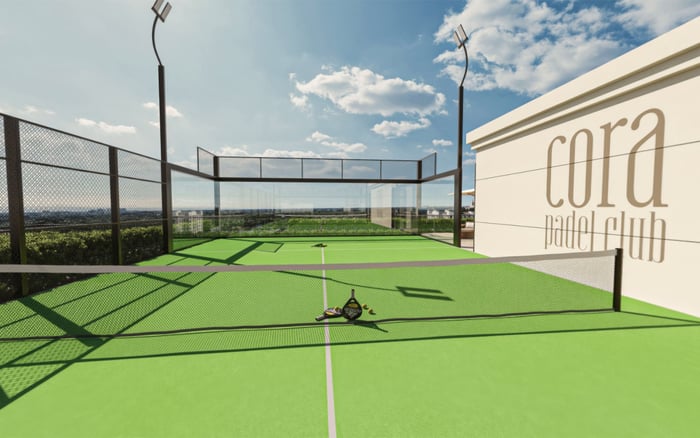
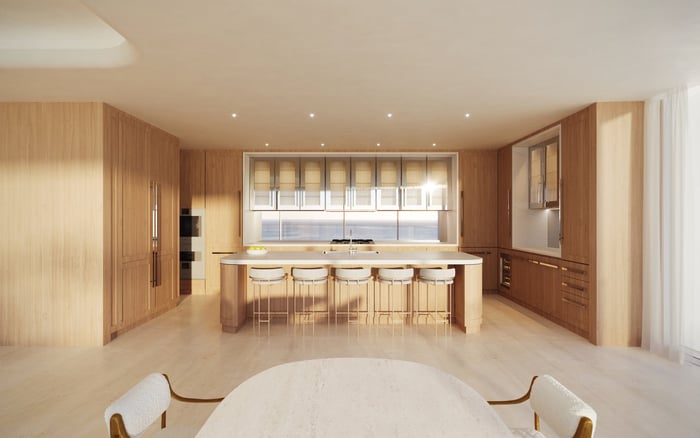
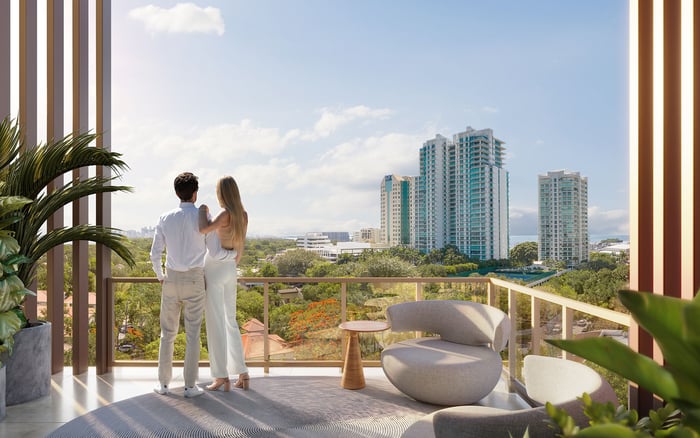
From Brickell penthouses to gated estates in Pinecrest and Boca Ratón, indoor golf simulators and residential sport courts have shifted from novelty to serious amenity. Their value is less about a universal resale premium and more about fit: ceiling heights, acoustic separation, HVAC and electrical capacity, and whether the space can flex back into a media room, gym, or guest suite. For South Florida buyers who prioritize privacy, year-round training, and entertaining at home, the right installation can enhance daily utility and marketability, while a poorly executed one can read as obsolete or over-customized.
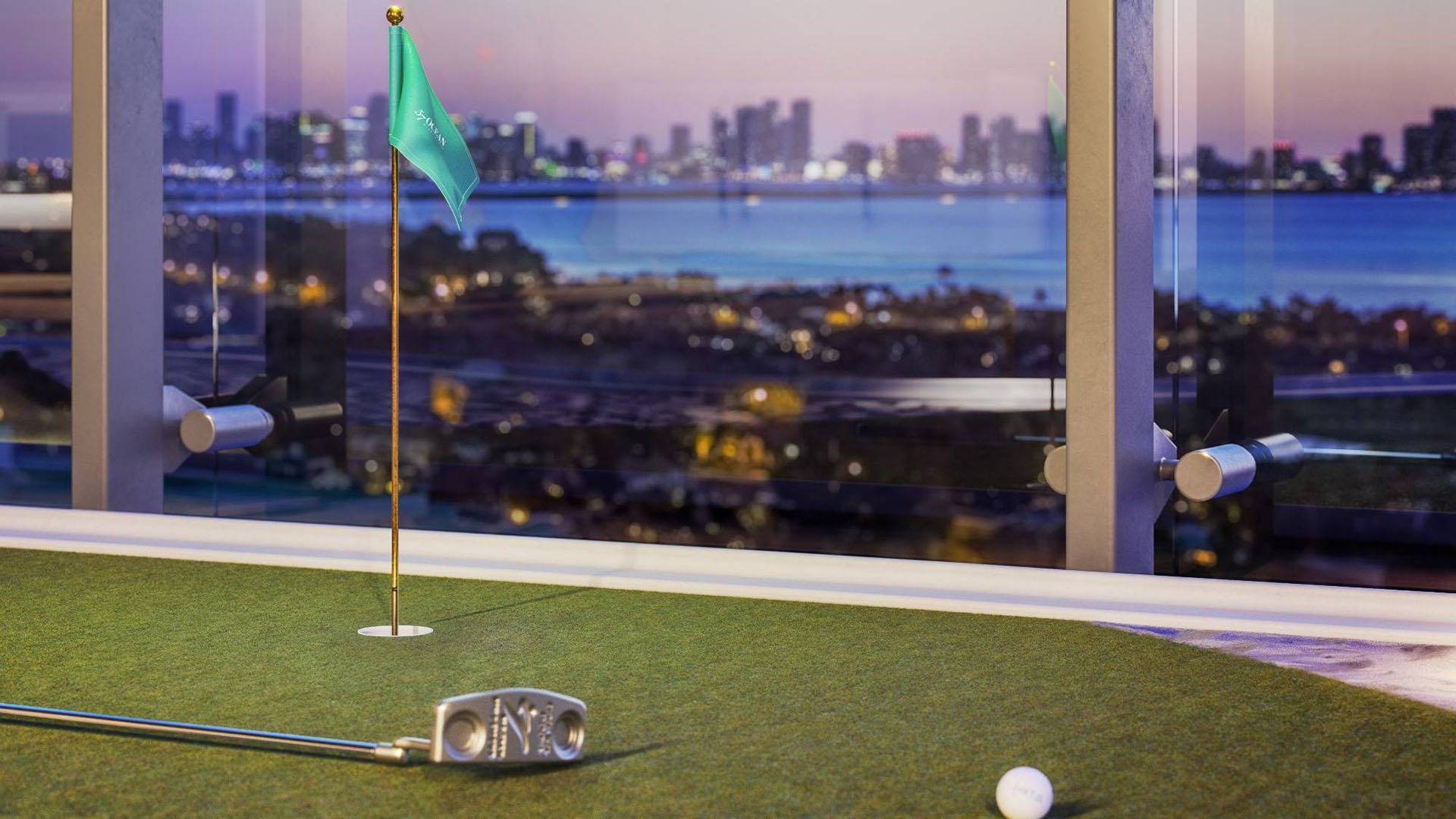
Luxury buyers in South Florida are increasingly evaluating homes the way they evaluate private clubs: not just for prestige, but for consistent, on-demand use. Heat, rain, and travel schedules can disrupt outdoor routines, while privacy concerns can make public facilities feel less appealing. Golf simulators and indoor sports courts answer that reality by turning practice and play into an at-home ritual.
The real estate question, however, isn’t whether these features are fun. It’s whether they read as additive, neutral, or subtractive at resale. In most transactions, the “value” is situational: a well-integrated simulator that also functions as a media lounge can widen the buyer pool, while a full-time, single-purpose court that consumes the only meaningful flex room can narrow it.
A golf simulator often aligns with the luxury condo and boutique tower lifestyle because it can live within a properly proportioned room: an acoustically treated den, a spare bedroom, or a dedicated lounge with a bar. In Brickell, where square footage is precious and entertaining skews indoors, the best simulator rooms are conceived as hospitality spaces-not training facilities. In that context, a residence at 2200 Brickell or a similar high-rise lifestyle nearby benefits from the same principle: when the “sport” reads like an interior upgrade, it’s easier for the next owner to embrace.
An indoor sports court, by contrast, typically belongs to larger footprints: single-family estates in Pinecrest, Boca Ratón, or gated communities where ceiling heights and structural spans can support a true multi-sport volume. Courts can be compelling for families and serious athletes, but their value is highly sensitive to whether the space can function as more than one thing.
The market is sophisticated enough to recognize when an amenity was added as an afterthought. For both simulators and courts, buyers tend to react to the same fundamentals.
First is volume: ceiling height and depth determine whether the experience feels natural, whether equipment fits without compromise, and whether the room can later become a legitimate media room, studio, or guest suite. A cramped simulator that forces abbreviated swings can feel like a sunk cost rather than a luxury.
Second is acoustics. Impact noise travels, and in a condo tower it can become a governance issue as much as a lifestyle one. Premium installations treat the room like a listening environment: isolation, absorption, and controlled reverberation. The goal isn’t silence; it’s containment.
Third is mechanical comfort. Florida humidity is unforgiving, and both people and equipment perform better with stable temperature and sensible ventilation. Dedicated HVAC zones, dehumidification, and thoughtful return-air placement help the room feel integrated-not like a converted garage.
Fourth is power, data, and lighting. Simulators and training systems can be surprisingly sensitive to glare, shadows, and inconsistent connectivity. The best rooms are planned with clean cable paths, accessible service points, and lighting scenes that keep the space appealing even when the screen is off.
Most luxury purchasers don’t assign a simple dollar-per-feature premium. Instead, they ask three silent questions.
Does it steal from something more valuable? If the only family room becomes a court, the next buyer may calculate the “cost” of undoing it. If a simulator converts an underused den into a beautiful lounge, the buyer may perceive it as a net gain.
Is it reversible? Reversibility is the hidden currency of amenity value. A simulator installed with minimal permanent alterations, clean finishes, and concealed infrastructure is far easier to live with-or remove. A court that can host yoga, events, or a gallery-like hangout carries more future-proof appeal.
Is it coherent with the property’s identity? A contemporary Miami Beach apartment benefits from a sleek, gallery-grade simulator room that reads as design. A waterfront estate in Hallandale or a resort-style building such as 2000 Ocean Hallandale Beach resonates with wellness-forward, indoor-outdoor living, where a training space feels consistent with the broader lifestyle.
If you want an amenity that supports marketability, design it to be loved by someone else.
Start with finishes. Avoid extreme branding and overly thematic decor. Think warm woods, refined textiles, subtle wall protection, and lighting that flatters faces as much as it flatters a screen. A buyer should be able to envision the space as a screening room, a library, or a studio.
Then plan storage so the “sport” can disappear. Closed cabinetry for clubs, balls, rackets, and recovery tools keeps the room visually calm. The highest-end installations feel composed even mid-week.
Finally, make the room camera-ready. In a market where buyers often encounter properties first through curated photography and video, a simulator room that reads like an interior set-not a warehouse bay-can shape first impressions.
Indoor courts are extraordinary when they’re conceived as an architectural volume: clear spans, managed daylight, resilient floors, and intelligent sound control. In larger Boca Ratón properties, this can feel like private-club living without ever leaving the estate-particularly when paired with a true wellness circuit.
But courts can backfire when they replace the wrong square footage. A two-car garage conversion that eliminates secure parking in a coastal market may dilute practical value. A court tucked into a low-ceiling addition can feel like a compromise.
The strongest hedge is multi-use design: marked zones for play that still allow the space to host a party, a charity event, or a children’s playroom. Buyers respond to optionality, even when they love sports.
For many high-rise owners, the simulator room is less a training hall and more the modern evolution of the study. It’s where friends gather, where a late-night meeting breaks into a quick nine, and where a rainy weekend becomes social rather than sedentary.
In Miami Beach, where lifestyle is curated and space is often programmed with intention, a residence near 57 Ocean Miami Beach benefits from the same mindset: a simulator room should feel like a private lounge with performance capability, not a tech closet with a net.
From a resale perspective, condos reward amenities that read as luxury interiors. When the simulator is cleanly integrated, a buyer who doesn’t golf may still fall in love with the room as a cinema, game room, or cocktail den.
At the ultra-premium level, a buyer’s team evaluates more than aesthetics. They want clarity on whether the work was permitted when required, who installed it, what warranties transfer, and how the system is serviced.
Expect questions about acoustic mitigation in shared buildings, electrical load, and whether any structural elements were altered. For courts, buyers may ask about subfloor build, moisture mitigation, and how the space performs in peak summer humidity.
A simple rule: if it reads as a professional installation with a clear paper trail, it reads as value. If it feels improvised, it reads as risk.
In Brickell, value tends to cluster around compact luxury and entertaining. A simulator that complements a bar, a media wall, and discreet storage fits the rhythm of the neighborhood. In that context, the amenity’s success is measured by how seamlessly it lives alongside art and furniture.
In Miami Beach, the design bar is high. Rooms must feel intentional, especially in trophy assets. The aesthetic should be calm, gallery-like, and materially rich.
In Sunny Isles and other high-rise coastal corridors, the calculus often becomes family-driven: second-home owners hosting multiple generations appreciate indoor activities that are weather-proof and controlled. Across these segments, the property’s identity should lead the decision-not the novelty of the equipment.
For new development buyers who prioritize wellness ecosystems, consider how an at-home sport amenity complements building-level programming. A wellness-forward environment such as The Well Coconut Grove signals that performance and recovery are part of the lifestyle language, making a private training room feel coherent.
If you’re installing for future resale, speak in terms of space and function rather than gadgetry. “Flex lounge with acoustic treatment and dedicated HVAC” will age better than a brand-specific description.
When staging, show the room in two modes: active and social. A simulator room photographed only with gear can feel niche; one photographed with seating, art, and ambient lighting reads as a luxury room that happens to play golf.
For courts, demonstrate multi-use: a basketball setup, then a clean, open floor with event-style lighting and seating. The buyer should see possibility, not obligation.
Do golf simulators increase resale value in South Florida? They can, but the uplift is usually indirect: stronger lifestyle utility and better marketability when the room also functions as a high-end flex space.
What matters more than the simulator brand? Room volume, lighting control, acoustics, HVAC, and a clean, reversible build matter more than the equipment name.
Is a simulator better than a home gym for resale? A gym is more universally used, but a simulator can win when it’s designed like a lounge that can easily convert back to another use.
Are indoor courts only for large estates? Generally, yes-courts require clear spans and height, and in smaller homes they can crowd out more valuable living space.
Can an indoor court hurt value? Yes, if it replaces critical functions like parking or primary living areas, or if the build feels permanent and single-purpose.
What is the biggest risk in condos with simulators? Noise transmission and vibration; buyers will be sensitive to whether the room was properly isolated and approved.
Should I convert a garage into a simulator or court? Only if you retain practical parking and storage elsewhere; otherwise, the loss of utility can outweigh the amenity.
How do I keep the space appealing to non-golfers? Use refined finishes, add comfortable seating, hide equipment in cabinetry, and ensure the room works as a media lounge.
What paperwork helps at resale? Permits where applicable, installer scope, equipment specs, transferable warranties, and maintenance records help reduce buyer friction.
What is the best way to present these amenities during showings? Run a short demo, then reset the room to a calm lounge look so buyers understand it as a luxury interior, not a niche build.
When you're ready to tour or underwrite the options, connect with MILLION Luxury.
If branded residences are on your mind — as a home or as an allocation — we would be glad to share what we are seeing, privately.
Begin a quiet conversation