A practical guide for luxury buyers weighing privacy, convenience, daily rituals, and long-term livability in South Florida’s most village-oriented residential settings.

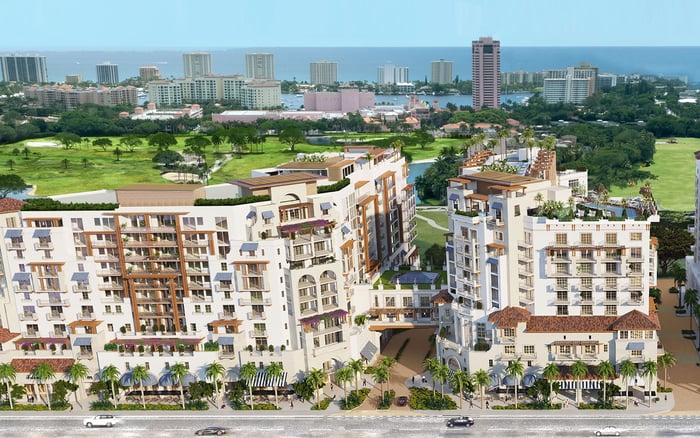
Walkable village living in South Florida is not simply about being close to restaurants, shops, or the water. For the luxury buyer, the sharper question is whether a neighborhood can compress the best parts of daily life into a graceful, low-friction radius while still protecting privacy, quiet, security, and architectural distinction.
That balance is delicate. A village may feel charming at breakfast and congested by evening. A prized address can offer a short walk to dinner but an awkward route for pets, guests, deliveries, or service staff. A residence can look ideal on a map yet feel exposed at street level. The practical buyer looks beyond atmosphere and asks how the setting functions at 7 a.m., noon, sunset, and after a major event or holiday weekend.
In South Florida luxury real estate, the village lifestyle is especially compelling because it answers a familiar tension: buyers want resort ease without feeling confined to a resort. They want coffee, fitness, dining, grooming, groceries, parks, and cultural texture nearby, along with an elegant return home. The best version is not constant stimulation. It is choice.
Buyer shorthand in this guide includes Brickell, Miami Beach, Coconut Grove, Coral Gables, West Palm Beach, and new construction, each representing a different way to think about walkability, convenience, and residential poise.
Before touring homes, define what walkability means to you. For one buyer, it is a five-minute morning coffee ritual and a shaded route for a dog. For another, it is the ability to dine well without calling a driver. For a family, it may mean proximity to parks, enrichment, and after-school convenience. For a seasonal owner, it may mean the shortest path between airport arrival, residence, pool, spa, and dinner.
The most useful exercise is to create three circles: essential, desirable, and occasional. Essentials are the places you will use several times a week. Desirables enhance the lifestyle but do not determine it. Occasional destinations can be a short drive away. This keeps buyers from overpaying for proximity they will rarely use while underestimating the value of daily ease.
Pay attention to route quality, not only distance. A beautiful six-block walk with shade, active storefronts, comfortable crossings, and discreet lighting may feel shorter than a two-block walk that is exposed, loud, or poorly scaled. Luxury walkability is not measured only in steps. It is measured in comfort.
Village living asks a residence to perform two opposing roles. It must connect easily to the surrounding neighborhood, then recede into calm when the owner returns. This is where building design, arrival sequence, lobby discretion, garage access, elevator programming, terrace placement, and acoustic performance become central.
Study how the residence handles arrivals. Is there a graceful drop-off? Can guests be received without confusion? Are deliveries managed without disrupting the residential experience? Is parking intuitive, secure, and protected from public congestion? The answers matter because daily convenience can erode quickly when the behind-the-scenes choreography is weak.
Street exposure deserves equal scrutiny. A residence above an active corridor may offer energy and views, but the buyer should understand how sound, light, and foot traffic behave. Visit during dinner service, school pickup, weekend afternoons, and early weekday mornings. A village changes personality by the hour.
In walkable luxury settings, the ground floor tells the truth. It reveals whether a neighborhood has genuine daily use or merely decorative retail. Look for a mix of practical services and pleasurable destinations. A village with only occasion dining may be glamorous, but not necessarily livable. A village with wellness, casual dining, markets, salons, shaded seating, and thoughtful public realm tends to support a fuller daily rhythm.
The same logic applies to residential buildings. A handsome lobby is important, but it should not be the only point of refinement. Notice the transition from sidewalk to entry, from garage to elevator, from amenity level to residence. The strongest properties make movement feel effortless rather than ceremonial at every step.
For buyers comparing a townhouse, a boutique condominium, or a full-service tower, the decision often comes down to how much personal management they want. A townhouse may offer autonomy and character. A serviced condominium may offer lock-and-leave ease. A larger building may provide amenity depth. None is automatically superior. The right choice depends on how you intend to live.
South Florida is highly seasonal in feeling, even when a residence is owned year-round. A village that feels serene in one month may be far more animated in another. This does not make it undesirable. It simply means the buyer should select with eyes open.
Ask how the neighborhood handles peak evenings, valet activity, restaurant turnover, visitor parking, ride-share patterns, and pedestrian crowding. Then ask the opposite question: does the village still feel alive during quieter periods? A luxury address should offer both vitality and resilience.
Seasonal owners should also think about closing and opening the residence. Can the home be maintained easily when vacant? Does the building or association support deliveries, inspections, housekeeping access, and service coordination? Walkability loses some of its value if ownership logistics become unnecessarily complicated.
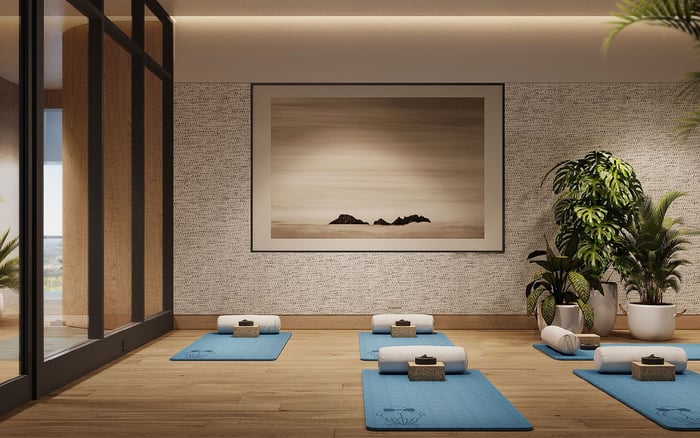
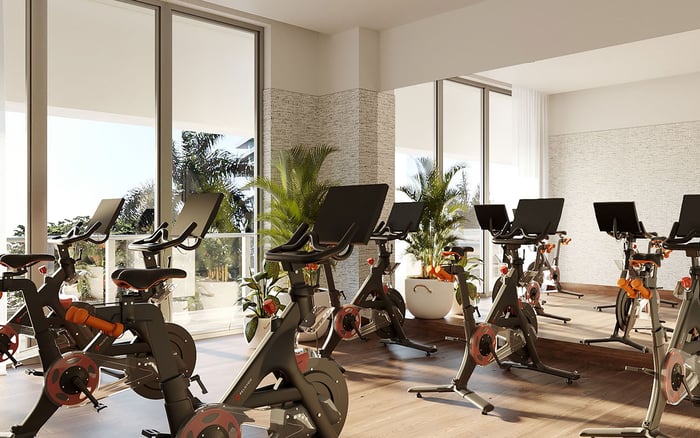
New construction can be especially appealing in walkable village settings because it may pair modern layouts, wellness amenities, parking solutions, and security infrastructure with established neighborhood fabric. Still, the buyer should evaluate the fundamentals rather than the rendering.
Study ceiling heights, storage, kitchen functionality, terrace usability, elevator access, mechanical systems, and the relationship between private rooms and active streets. A beautiful residence that cannot comfortably store luggage, sporting equipment, pet needs, wine, or seasonal clothing may become frustrating quickly.
Also consider governance. In any shared building, rules around pets, rentals, renovations, amenities, guest access, and service personnel shape the ownership experience. These details may not be glamorous, but they are part of luxury because they determine whether daily life feels effortless.
Not every walkable village suits every buyer. Some buyers want polished density, with dining, offices, culture, and waterfront energy within reach. Others prefer gardened streets, lower scale, and a slower cadence. Some want a weekend pied-a-terre that places them near restaurants and social life. Others want a primary residence where convenience supports school, wellness, pets, and family routines.
The wise buyer does not begin with the most famous address. The wise buyer begins with tempo. How often do you entertain? How much do you drive? Do you want to know your local merchants, or do you prefer anonymity? Is your ideal evening a short walk to dinner, or a quiet terrace after a private chef leaves? The answer should guide the search more than prestige alone.
Walkable village living is at its best when the neighborhood feels like an extension of the residence, not a substitute for it. The home should still offer sanctuary. The village should simply make the day more graceful.
A polished showing rarely reveals everything. Schedule multiple visits at different times. Walk the route from the residence to the places you expect to use. Enter and exit the garage. Stand on the terrace without conversation and listen. Observe service access, package flow, and lobby traffic. If pets are part of the household, walk the exact route you would use each morning and evening.
Then compare the emotional reaction with the operational reality. Did the setting make life simpler? Did it feel safe, shaded, and intuitive? Did the residence offer enough retreat? Did the public energy enhance the home, or compete with it? In a high-value purchase, small frictions become larger over time.
A truly practical approach does not diminish romance. It protects it. The goal is to buy the lifestyle you imagined, not only the address that photographed well.
What defines walkable village living in luxury real estate? It is a residential setting where daily needs, dining, wellness, and leisure can be reached comfortably on foot while the home still provides privacy and calm.
Is the closest location always the best location? No. Route quality, shade, crossings, sound, security, and privacy can matter more than raw distance.
Should I visit a property more than once before buying? Yes. Morning, evening, weekday, and weekend visits reveal how the village functions across different conditions.
How important is parking in a walkable neighborhood? Very important. Even walkable buyers rely on cars, guests, deliveries, and service access, so parking must be practical and discreet.
Are boutique buildings better for village living? Not necessarily. Boutique buildings may offer intimacy, while larger residences may provide deeper services and amenities.
What should seasonal owners prioritize? They should prioritize lock-and-leave operations, maintenance access, security, package handling, and reliable service coordination.
Can a lively village still feel private? Yes, if the residence has strong acoustic performance, thoughtful arrival design, controlled access, and well-planned outdoor space.
What is the biggest mistake buyers make? They often fall in love with proximity without testing how the neighborhood feels during busy, quiet, and transitional hours.
How should I compare a townhouse with a condominium? Compare autonomy, services, maintenance responsibility, security, parking, and how each option supports your daily routine.
What makes a walkable purchase hold lifestyle value? The strongest choices combine daily convenience, durable privacy, useful amenities, and a neighborhood rhythm that matches the owner.
When you're ready to tour or underwrite the options, connect with MILLION.
If branded residences are on your mind — as a home or as an allocation — we would be glad to share what we are seeing, privately.
Begin a quiet conversation