A disciplined framework for cash buyers balancing a swift Key Biscayne closing with careful review of condominium finances, governance, insurance, maintenance, and future obligations.
A cash offer can bring welcome simplicity to a luxury condominium purchase. It removes the lender’s calendar from the transaction and can give the seller greater confidence in execution. Yet it does not answer the questions that matter after closing: how the association is governed, which obligations may be approaching, how the property is maintained, and whether the building’s financial posture aligns with the buyer’s expectations.
In Key Biscayne, the residence and the association should be evaluated as a single acquisition. The apartment may be beautifully renovated, well positioned, and compellingly priced, while the broader condominium warrants a separate level of scrutiny. Cash buyers should use speed as a negotiating strength, not as a reason to narrow their review.
At heart, this is a guide to disciplined ownership. It applies equally to a primary residence, a second home, or an investment purchase, particularly when the buyer is considering waterfront resale inventory.
The strongest cash process begins with a clearly defined document request. Buyers and their advisers can seek the governing documents, current budget, recent financial materials, meeting minutes, insurance information, reserve information, notices, pending project details, and records related to assessments or owner obligations. Qualified legal and financial advisers should tailor the precise request to the transaction.
The purpose is not to accumulate paperwork. It is to understand how decisions are made, how costs are allocated, and what may affect ownership after the keys are delivered. Missing, outdated, or internally inconsistent documents warrant follow-up, not assumption.
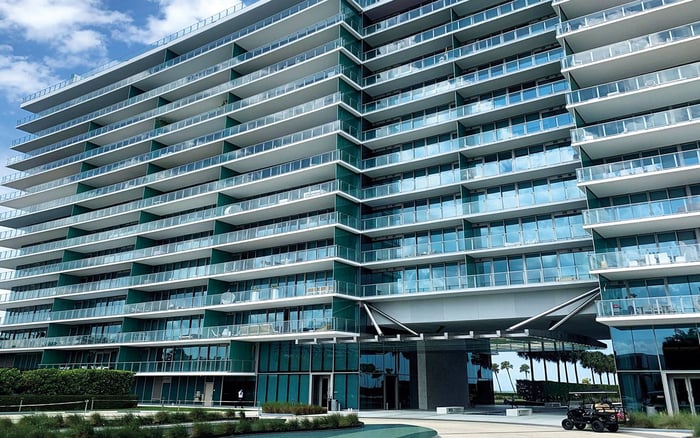
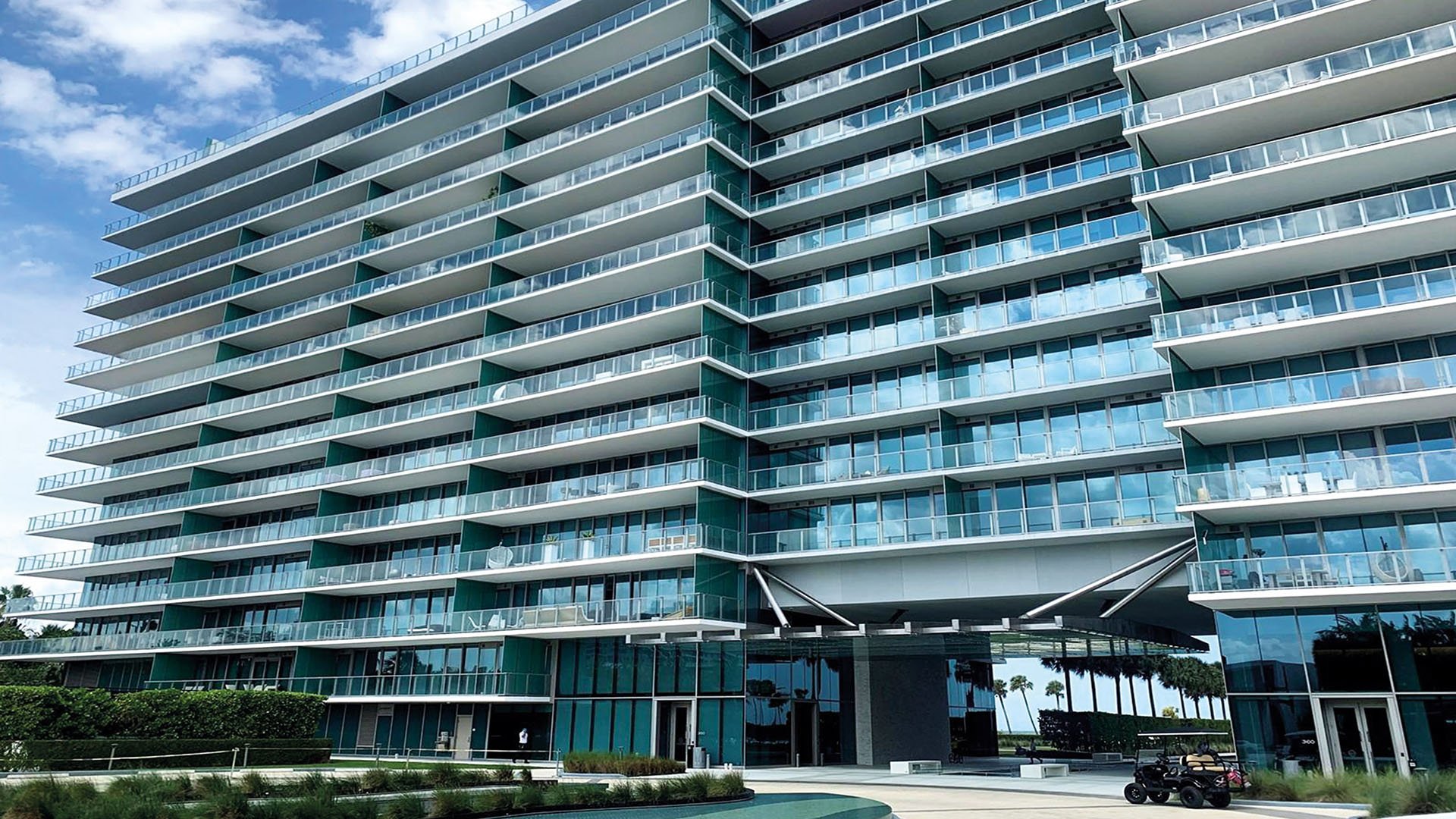
When reviewing Oceana Key Biscayne or any other condominium on the island, buyers should keep the analysis building-specific. Similar views, layouts, or asking prices do not imply comparable association finances, policies, maintenance priorities, or future obligations.
A budget is more than a schedule of income and expenses. It can help a buyer frame questions about recurring costs, reserve planning, anticipated work, collection patterns, and the association’s capacity to address future needs. Financial statements and reserve materials should be read together, with professional guidance where appropriate.
Particular attention should be paid to the distinction between routine operating expenses and larger capital needs. Buyers should ask what has been approved, what remains under discussion, what has already been funded, and what could become an owner obligation. A seller’s payment of a current assessment does not necessarily account for every future cost under consideration.
The objective is not to find a building without expenses. Luxury properties require stewardship. The objective is to determine whether the association’s approach to funding, maintenance, and disclosure aligns with the buyer’s risk tolerance and intended holding period.
Budgets show approved numbers; minutes can illuminate the conversations behind them. Review a meaningful sequence rather than a single meeting. Look for recurring discussions of repairs, vendor disputes, insurance matters, owner delinquencies, rule enforcement, litigation, staffing, access, or proposed improvements.
Repeated deferrals warrant questions. So do major decisions that appear abruptly, without visible discussion in earlier records. Neither necessarily signals a problem, but both require context. Buyers should also distinguish exploratory discussion from formal approval.
Governance quality is partly visible through consistency. Clear records, defined responsibilities, and follow-through can help a purchaser understand how the property operates. An elegant lobby, however, cannot substitute for clarity on association business.
A private inspection of the residence is essential, but its scope may not resolve questions about shared systems or common elements. Buyers should coordinate the appropriate specialists and determine how building-level work, known maintenance, and access responsibilities intersect with the unit.
Insurance review is a distinct exercise. Coverage, deductibles, exclusions, claims history, and owner responsibilities can be technical, so an insurance professional and counsel may be needed. The goal is to understand the practical allocation of risk rather than rely solely on a certificate or summary page.
Comparison shopping can sharpen the inquiry. A buyer looking beyond Key Biscayne might also evaluate Park Grove Coconut Grove, The Ritz-Carlton Residences® Miami Beach, or Oceana Bal Harbour. These links are not substitutes for diligence; they offer additional residences against which ownership format, location, and personal priorities may be considered.
A sophisticated cash offer can be both fast and conditional. Before signing, the buyer’s team should define who will review each document, when questions are due, and which issues require legal, accounting, inspection, engineering, or insurance input. Responsibility should be explicit, never assumed.
As advised by counsel, the contract should reflect the buyer’s intended review process. Deposit timing, association approval, title work, document delivery, inspection access, and closing logistics should be mapped backward from the target date. A compressed timeline works best when documents are available early and decision-makers remain accessible.
Speed should also include a stop mechanism. If material information arrives late, contradicts earlier representations, or cannot be evaluated within the agreed period, the buyer should consult counsel before proceeding. The prestige of an address-and the apparent strength of a discount-should not displace informed consent.
Price per square foot is only one lens. Buyers can compare monthly obligations, likely capital demands, use restrictions, renovation parameters, service expectations, parking, storage, privacy, and the association’s operating culture. The relevant question is not simply whether one residence costs less today, but whether its complete ownership proposition is preferable.
For a Key Biscayne buyer, the island setting may carry particular personal value. Even so, the Key Biscayne name should never become a proxy for uniform building quality. Nor should the Oceana Key Biscayne name replace unit-level and association-level review. Every purchase requires its own file, timeline, and professional judgment.
Does a cash purchase eliminate the need for condominium document review? No. Cash changes the financing logistics, but association obligations and property-level risks remain relevant.
Which documents should a buyer request first? Begin with governing documents, budgets, financial materials, minutes, insurance information, reserve information, notices, and assessment records, subject to professional advice.
Why review more than one set of meeting minutes? A sequence can reveal recurring topics, deferred decisions, and the progression from discussion to approval.
Should a buyer rely only on the unit inspection? No. A unit inspection may not address shared systems, common elements, or association-level maintenance matters.
How should special assessments be evaluated? Confirm what is approved, what is proposed, how payments are scheduled, and which obligations may transfer or arise later.
Is a fast closing inherently risky? Not necessarily. Risk increases when speed compresses the review, limits specialist input, or leaves material questions unresolved.
Who should participate in diligence? Depending on the transaction, the team may include legal, financial, inspection, engineering, insurance, and title professionals.
Can comparable projects replace building-specific analysis? No. Comparisons can help frame preferences, but each association and residence requires an independent review.
What should happen if documents arrive late? The buyer should promptly consult counsel about timing, contractual rights, and whether adequate review remains possible.
What is the central principle for a Key Biscayne cash buyer? Preserve the advantages of certainty and speed while making the closing conditional on disciplined, complete diligence.
For a discreet conversation and a curated building-by-building shortlist, connect with MILLION.
If branded residences are on your mind — as a home or as an allocation — we would be glad to share what we are seeing, privately.
Begin a quiet conversation