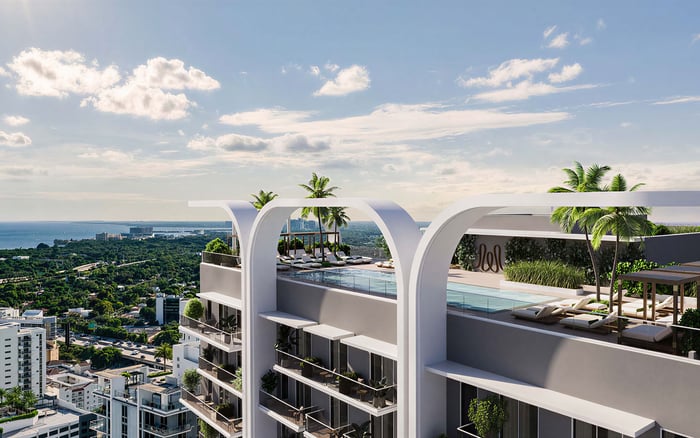
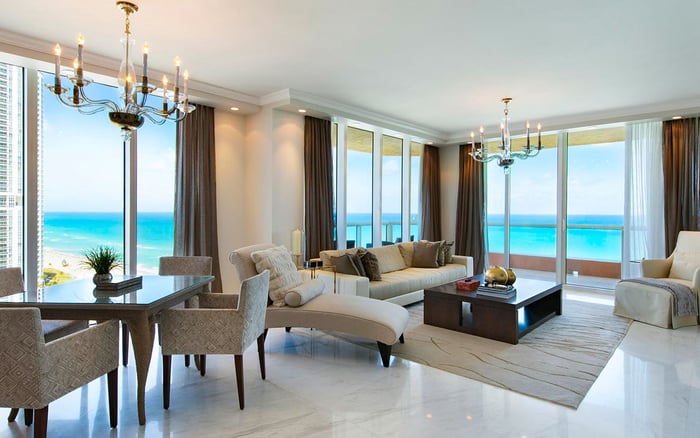
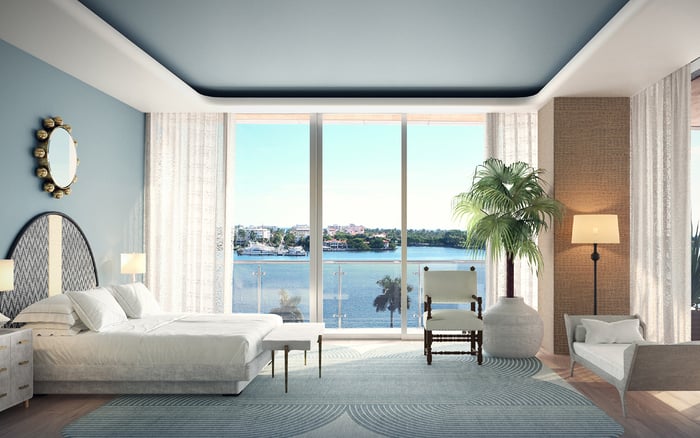
A discreet buyer advisory on evaluating privacy at Residences by Armani/Casa in Sunny Isles Beach, with attention to sightlines, terraces, evening visibility, acoustic comfort, and daily household protocols.
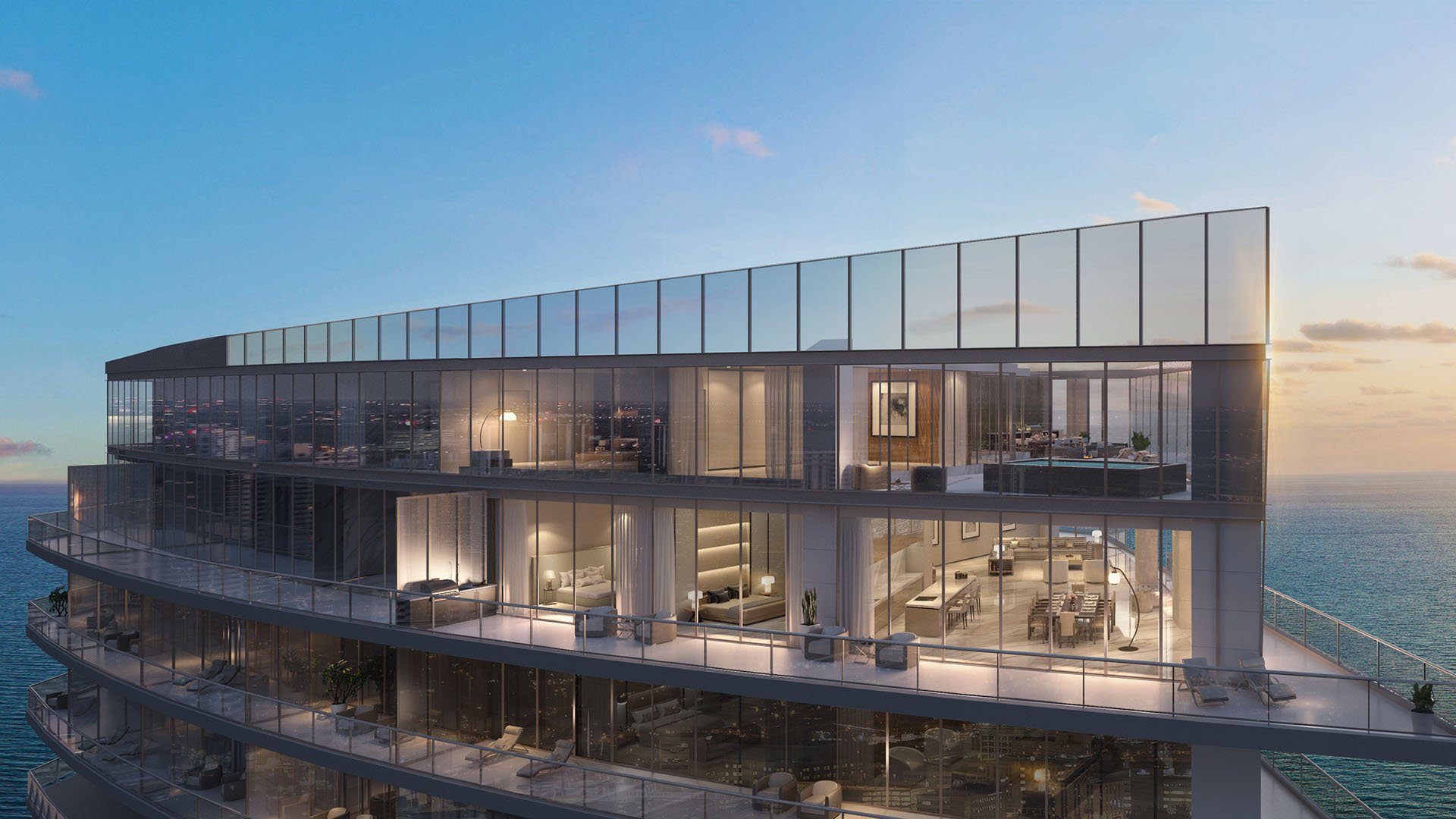
For households considering Residences by Armani/Casa, privacy should be evaluated with the same discipline as view, finish, and service. The project sits within the branded luxury conversation in Sunny Isles Beach, and many buyers arrive with a simple assumption: expansive water views must feel private. In practice, the opposite can be true. A residence that feels open, luminous, and cinematic can also create new forms of exposure through glass, terraces, neighboring towers, amenity decks, and activity along nearby waterfront or coastal vantage points.
That is why a household searching for Armani Casa Sunny Isles Beach should use the official name, Residences by Armani/Casa, in serious conversations, then move quickly from brand recognition to unit-level privacy analysis. Do not treat the building as a single privacy category. Treat each line, elevation, orientation, and room as its own environment.
The word bayfront also deserves precision. Buyers may use it as shorthand for a water-facing lifestyle, but the site condition should be verified in diligence rather than assumed from casual descriptions. The better question is not whether a residence sounds private on paper. It is how private the home feels when the household is actually living, entertaining, dressing, dining, working, and receiving guests.
A water view can be one of the most emotionally powerful features in South Florida real estate. It expands a room, softens the skyline, and gives a residence the atmospheric quality luxury buyers often seek. Yet view quality and privacy quality are not the same asset. A wide view can expose a living room after sunset. A dramatic terrace can become visible from another tower. A glass-wrapped primary suite can feel spectacular in daylight and too open at night.
The most careful buyers separate the view premium from the privacy premium. They ask which rooms are most exposed, where the sightlines originate, and whether that exposure is occasional or constant. A public figure, a family with children, or a household that entertains frequently may value controllability as much as the panorama itself.
This is also a resale consideration. A residence with beautiful views but limited control over visibility may feel less comfortable to a future buyer with a different lifestyle. In the ultra-premium market, comfort is not only square footage or finishes. It is the ability to occupy a home naturally without feeling observed.
Privacy should be assessed by line first. Two residences in the same building can live very differently if one looks primarily toward open water while another faces neighboring glass, a pool deck, or active terraces. The angle of the balcony matters. So does whether the living room, kitchen, primary bedroom, and bath align with direct outside sightlines.
High floors may improve visual separation, but elevation is not a cure-all. A higher residence can still look directly into another tower, especially when both buildings use expansive glazing. Lower floors may feel more connected to landscape or amenity activity, which can be desirable for some households and too exposed for others. The correct answer depends on who lives there, how often guests are present, and how the home is used after dark.
In a Sunny Isles search note, buyers should record exposure by room rather than relying on a single overall impression. Mark the areas that feel private in daylight, the areas that need window treatment in the evening, and the spaces where furniture placement could solve or worsen the issue.
The most revealing privacy tour is often not the first one. Midday light can make glass feel reflective from the outside and bright from the inside. At dusk, the relationship changes. Interior lighting can turn a residence into a visible stage, especially where glass walls, open-plan living rooms, and terraces meet.
A practical test is simple: stand inside the residence with lights on and look outward. Then, where access allows, evaluate what could be seen from terraces, adjacent towers, amenity areas, waterfront zones, and nearby public vantage points. The purpose is not anxiety. It is calibration. A buyer should know which rooms require shades, which corners can remain open, and which evening routines might need adjustment.
Touring at different times of day also helps distinguish visual privacy from mood. Morning light, afternoon glare, and evening reflections can make the same room feel entirely different. A residence that feels serene during a daytime showing may need a stronger privacy plan for dinner, media use, or late-night entertaining.
Waterfront and coastal settings can feel visually open even when acoustic conditions vary significantly by elevation, glazing, and orientation. A household may feel completely protected from sound while still visible from another building. Conversely, a room can feel visually secluded but carry noise from terraces, amenity areas, or activity beyond the property.
For this reason, privacy-sensitive buyers should listen as carefully as they look. Spend quiet time in the primary bedroom, living room, kitchen, bath, and terrace. Notice whether sound changes when doors open, whether terrace use affects bedroom calm, and whether certain orientations feel more active than others.
The most refined residences are not always the quietest or the most hidden. They are the ones where the household understands the privacy profile and can manage it gracefully.
Luxury buyers often assume privacy can be solved after closing with tinting, smart shades, drapery, balcony screens, or landscape-style terrace interventions. That assumption can be expensive. Building standards, association rules, design guidelines, and management policies may affect what can be installed, altered, automated, or visible from the exterior.
Before purchasing, ask what window treatments are permitted, whether tinting is allowed, how smart-shade systems may be integrated, and whether any balcony or terrace screening is restricted. Also ask whether exterior appearance standards affect fabric color, opacity, hardware, or installation methods.
The goal is not to reduce the elegance of the architecture. It is to preserve it while ensuring the home supports real life. A properly planned shade system, thoughtful furniture placement, and a lighting strategy can allow a glass-forward residence to remain dramatic without sacrificing discretion.
At this level, privacy is not only a building feature. It is a way the household operates. Staff protocols, guest arrival routines, evening lighting, terrace dining, children’s spaces, and work-from-home habits all influence how private the residence feels.
Furniture placement can protect a primary seating area from direct views. Layered lighting can reduce nighttime exposure. Automated shades can create consistency when staff or family members are using different rooms. Guest guidelines can determine which terraces are used during events and which rooms remain private.
For buyers who value discretion, this operational layer is not fussy. It is part of the home’s performance. The best privacy plan disappears into daily life, allowing the residence to feel open when desired and protected when needed.
Is Residences by Armani/Casa automatically private because it is a luxury project? No. Privacy should be evaluated by residence, line, elevation, orientation, and daily use rather than by brand alone.
Should buyers assume a water-facing view is more private? Not necessarily. Water views can feel expansive, but glass, terraces, neighboring towers, and public vantage points can still create exposure.
What is the first privacy question to ask during a showing? Ask which rooms are visible from adjacent buildings, amenity areas, terraces, waterfront areas, or other common vantage points.
Why is dusk important for a privacy tour? Interior lights can make a residence more visible from outside, changing the privacy impression created during daytime showings.
Do higher floors always solve privacy concerns? No. Higher elevation may help, but direct sightlines from nearby towers or terraces can still affect how a residence lives.
Which rooms deserve the closest privacy review? The primary bedroom, bathrooms, living room, kitchen, and terrace should each be assessed separately because exposure patterns can differ.
Can window treatments always be changed after purchase? Buyers should confirm rules for shades, tinting, screening, and exterior appearance before assuming modifications are permitted.
How should families think about privacy in a glass-heavy residence? Families should consider evening routines, children’s spaces, staff access, guest flow, and how often terraces are used.
Is acoustic privacy the same as visual privacy? No. A home can be quiet but visually exposed, or visually protected while still affected by exterior sound conditions.
What is the simplest due-diligence step for a privacy-sensitive buyer? Stand in the residence at dusk with lights on and assess what can be seen from likely outside vantage points.
For a tailored shortlist and next-step guidance, connect with MILLION.
If branded residences are on your mind — as a home or as an allocation — we would be glad to share what we are seeing, privately.
Begin a quiet conversation