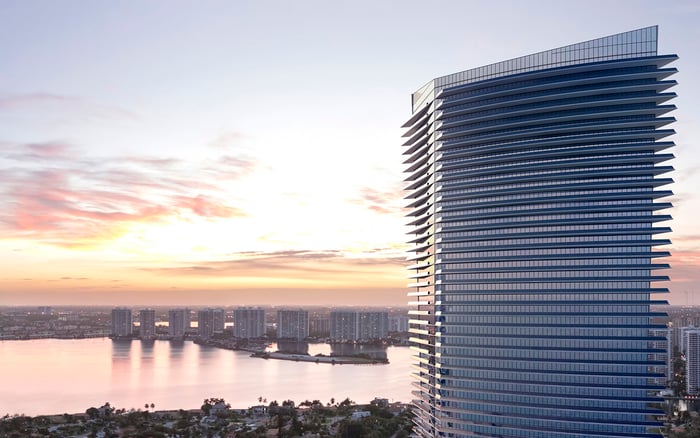
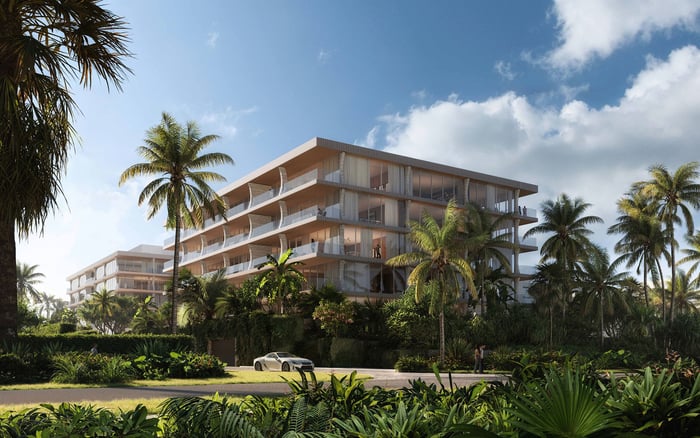
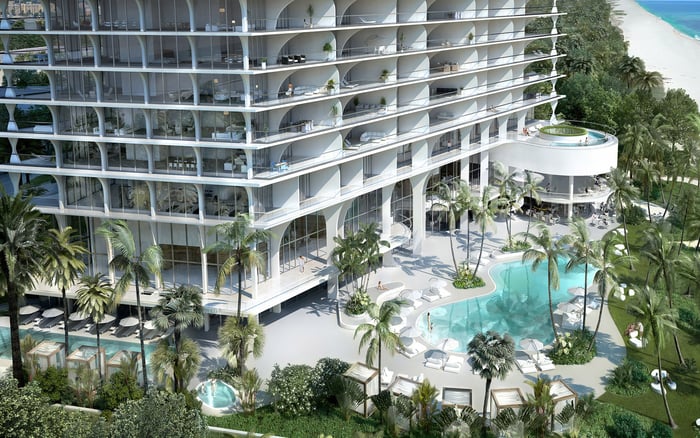
A buyer-focused guide to selecting beachfront residences where acoustic comfort, privacy, and remote-work performance matter as much as the view.

For years, beachfront buying was led by view, address, building pedigree, and the emotional pull of waking up to the Atlantic. Those elements still matter. Yet for a growing segment of ultra-premium buyers, the more decisive question is quieter: can this residence support serious work without diminishing the pleasure of the coast?
Remote work has changed how buyers evaluate even the most glamorous homes. A beautiful balcony, open living room, and panoramic waterview can be extraordinary in the evening, but the weekday test is different. The right residence must soften wind, pool activity, elevator arrivals, neighboring terraces, building service movement, and the general rhythm of a coastal tower.
In South Florida, the goal is not to eliminate sound entirely. It is to control it. The best beachfront homes create a refined acoustic envelope, allowing the owner to move from a video call to a terrace lunch to a sunset swim without feeling that the building, beach, or social life of the property is intruding. For buyers comparing Miami Beach, Sunny Isles, and other coastal enclaves, quiet has become a form of luxury as tangible as stone, millwork, or private elevator access.
1. Direct-ocean corner residence - dual-exposure privacy
A direct-ocean corner plan is often the most compelling format for buyers who want both drama and discretion. The corner condition can separate principal living areas from shared walls, while dual exposures may allow a home office to sit away from the residence’s most active social zones.
The best versions balance glass with enclosure. Buyers should study where the desk would sit, how close that area is to terrace doors, and whether the primary suite or den can function as a true work room rather than an afterthought. A corner plan is not automatically quiet, but it gives a skilled buyer more ways to create separation.
2. Full-floor or half-floor residence - controlled adjacency
For buyers who take multiple calls, manage teams, or host confidential conversations, adjacency is everything. A full-floor or generous half-floor residence can reduce shared walls and simplify the daily acoustic equation. Fewer immediate neighbors typically means fewer variables around music, footsteps, terrace use, and entry traffic.
The most useful layouts place the office near a private corridor or secondary suite, not directly beside the entertaining area. If a residence includes staff space, guest rooms, or a media room, those zones can create a buffer between working areas and the more animated parts of the home.
3. Setback residence with deep terrace - outdoor sound buffer
A deep terrace can do more than frame a view. When designed well, it becomes a transitional acoustic layer between the oceanfront environment and the interior. The depth of the outdoor space, the position of sliding glass doors, and the relationship between seating areas and work rooms can all affect how the home feels during business hours.
This type of residence is especially attractive to buyers who want to enjoy sea air between calls without placing their desk directly against the most exposed glass line. The ideal setup gives the owner options: doors closed for focus, doors open for calmer moments, and outdoor seating arranged away from the room used for work.
4. High-floor residence above active amenity zones - vertical separation
Beachfront buildings often concentrate energy near the pool, lobby, cabanas, restaurants, fitness areas, and beach service points. A high-floor residence can create useful vertical distance from that activity, especially for buyers sensitive to daytime sound.
Height alone is not a complete solution. Wind exposure, mechanical placement, elevator banks, and the shape of neighboring towers can all matter. Still, buyers who value acoustic comfort should pay close attention to where amenities sit in relation to the residence. The strongest choices feel connected to the building lifestyle without being acoustically governed by it.
5. Residence with an internal den or enclosed study - purpose-built focus
The most reliable remote-work solution is often not the largest home, but the one with the best enclosed room. An internal den, study, or secondary bedroom with a door can outperform a glamorous open-plan desk if it provides privacy, wall mass, and distance from the kitchen, living room, and terrace.
This format is especially practical for couples or families with overlapping schedules. One person may need a formal video environment while another uses the living area or balcony. When a beachfront residence includes a room that can be dedicated to work, the entire home becomes more adaptable.
A polished residence can look serene in photographs and feel entirely different at midday. Buyers should experience the home at the hours when it will actually be used. Morning calls, afternoon meetings, and early evening transitions each reveal different sound patterns.
Listen near the main glass line, inside the prospective office, in the primary suite, and at the entry. Notice elevator sounds, corridor voices, neighboring doors, air-conditioning cycles, and the way wind behaves around openings. On the ocean side, distinguish between pleasant surf and distracting pressure noise at the glass. On the city or Intracoastal side, consider traffic, bridges, boats, and service activity.
The most desirable homes do not require the owner to build a defensive lifestyle. They allow normal routines to unfold gracefully. Oceanfront living should feel expansive, not performative, and beach access should be an amenity rather than a daily interruption.
Square footage can be seductive, but acoustic comfort is usually won through proportion, placement, and closure. A larger open residence with no quiet room may be less useful than a slightly smaller plan with a proper den. A dramatic great room can be magnificent for entertaining, but a buyer who works from home should ask where the laptop goes when the caterer, housekeeper, children, or guests are present.
Door quality, ceiling height, floor finish, and wall continuity all influence the feeling of calm. So does furniture planning. Soft materials, rugs, upholstered seating, and built-in millwork can reduce reverberation without making a residence feel heavy. For buyers commissioning interiors, acoustic comfort should be discussed early, before art placement and decorative lighting finalize the plan.
Privacy also has a visual component. A workspace facing the water can inspire, but a camera angle that captures too much personal life may not suit every executive. The most successful remote-work rooms offer a composed background, controlled natural light, and the ability to step away from the screen into a view that feels restorative.
In high-demand coastal markets, the difference between a beautiful residence and a work-capable residence can be subtle. Buyers drawn to Miami Beach may prioritize design history, walkability, and direct coastal energy. Sunny Isles buyers may focus on tower living, height, and broad ocean perspectives. In either case, the acoustic question should be asked before emotional commitment hardens.
The same discipline applies across South Florida. A residence may offer an exceptional balcony, a refined terrace, or a rare waterview, but the daily experience depends on how those features interact with glass, plan depth, amenity placement, and neighboring activity. In a true luxury purchase, quiet is not a bonus. It is part of the architecture of ownership.
For many buyers, the ideal answer is not silence. It is choice. The owner should be able to hear the ocean when desired, shut it away when required, host guests without disturbing a partner on a call, and work a full day without feeling removed from the pleasure of the property.
Acoustic comfort belongs in the same conversation as ceiling heights, finishes, service, parking, wellness amenities, and resale positioning. It is part of how a residence performs, and performance is what separates a merely impressive home from one that supports a sophisticated life.
For remote-work buyers, the most intelligent beachfront purchase begins with a simple exercise: imagine a demanding Tuesday, not a perfect Saturday. Where do calls happen? Where does the household move? What sounds enter the space? Which room closes off cleanly? Which view calms rather than distracts?
The top beachfront residences answer those questions with ease. They do not force compromise between professional focus and coastal beauty. They make the two feel naturally aligned.
What makes a beachfront residence good for remote work? The strongest homes combine a closable work room, thoughtful separation from social areas, and controlled sound near glass and terraces.
Is a higher floor always quieter? Not always. Higher floors can reduce amenity noise, but wind, mechanical systems, and tower orientation still need careful attention.
Should I prioritize a den over a larger living room? If remote work is daily, a true den or enclosed study may be more valuable than extra open entertaining space.
Does ocean sound help or hurt concentration? It depends on intensity and glazing. Gentle surf can feel calming, while pressure noise or wind at the glass may distract.
Are corner residences better for acoustic comfort? They can be, especially when they reduce shared walls and allow the office to sit away from active living areas.
How important is terrace depth? A deeper terrace can create a useful buffer and make outdoor living more flexible during the workday.
Can interiors improve acoustic comfort after purchase? Yes. Rugs, upholstery, millwork, window treatments, and room planning can meaningfully soften reverberation.
What should I test during a showing? Stand in the intended office, close the doors, listen near the glass, and experience the residence during working hours.
Is pool proximity a concern for remote workers? It can be. Residences directly above active amenity decks may experience more daytime sound than expected.
What is the best way to shortlist comparable options for touring? Start with location fit, delivery status, and daily lifestyle priorities, then compare stacks and elevations to validate views and privacy.
For a tailored shortlist and next-step guidance, connect with MILLION.
If branded residences are on your mind — as a home or as an allocation — we would be glad to share what we are seeing, privately.
Begin a quiet conversation