A buyer-focused comparison of two oceanfront Sunny Isles towers, examining association approval, transaction charges, carrying costs, inventory scale, and resale audience.
For sophisticated buyers, the distinction between two luxury towers rarely comes down to finish palettes or amenity counts. The more consequential questions often emerge later: How does association approval affect closing certainty? Which transfer and processing charges apply to the specific residence? How deep might the buyer pool be when it is time to resell?
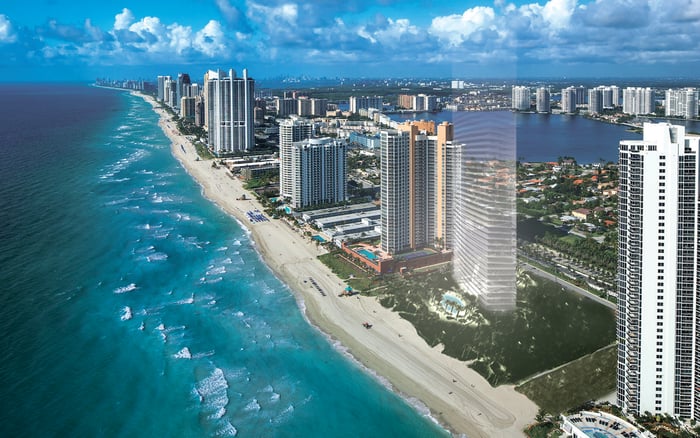
Those questions frame the comparison between Armani Casa Sunny Isles Beach at 18975 Collins Avenue and Muse Residences Sunny Isles Beach at 17141 Collins Avenue. Both are oceanfront condominiums, yet their scale and market identities create distinct resale dynamics. For MILLION’s Buyer's Guides audience, this is a study in how architecture, scarcity, branding, and association diligence intersect.
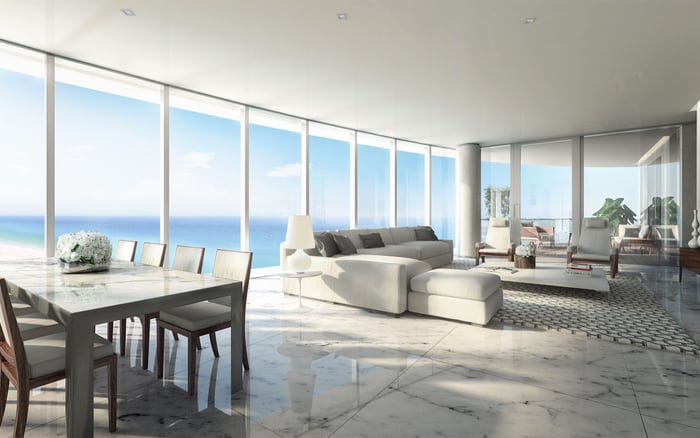
Armani/Casa contains roughly 306 to 308 residences. Its homes generally span two to four bedrooms and approximately 1,358 to 4,100 square feet. Most feature private high-speed elevator access, floor-to-ceiling glass, ceilings of about 10 feet, and deep terraces.
The tower’s identity is unusually cohesive. Armani/Casa-curated interiors, fixtures, finishes, and hardware establish a recognizable design language, while more than 35,000 square feet of amenities across two floors support a resort-residence proposition. The program includes a two-story spa, beauty salon, sauna and steam rooms, movie theater, heated oceanfront pool, hot tub, and poolside food-and-beverage service.
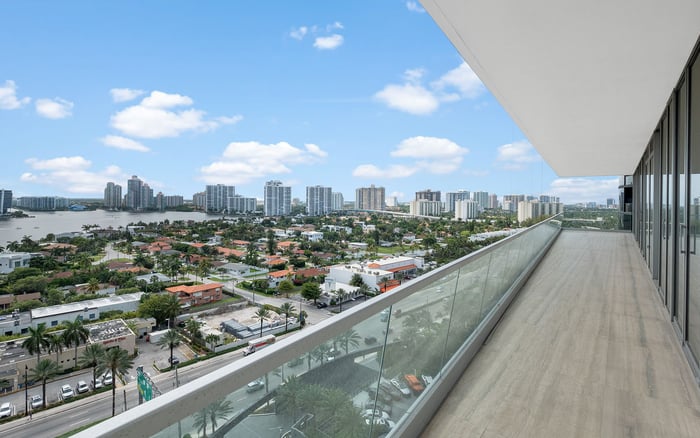
Muse takes the boutique route. With approximately 68 residences, it offers a far smaller inventory base. Homes were delivered fully finished, with 11-foot ceilings and floor-to-ceiling windows. Terraces can extend approximately 60 feet in width and up to 38 feet in depth, with summer kitchens and weather-resistant entertainment systems.
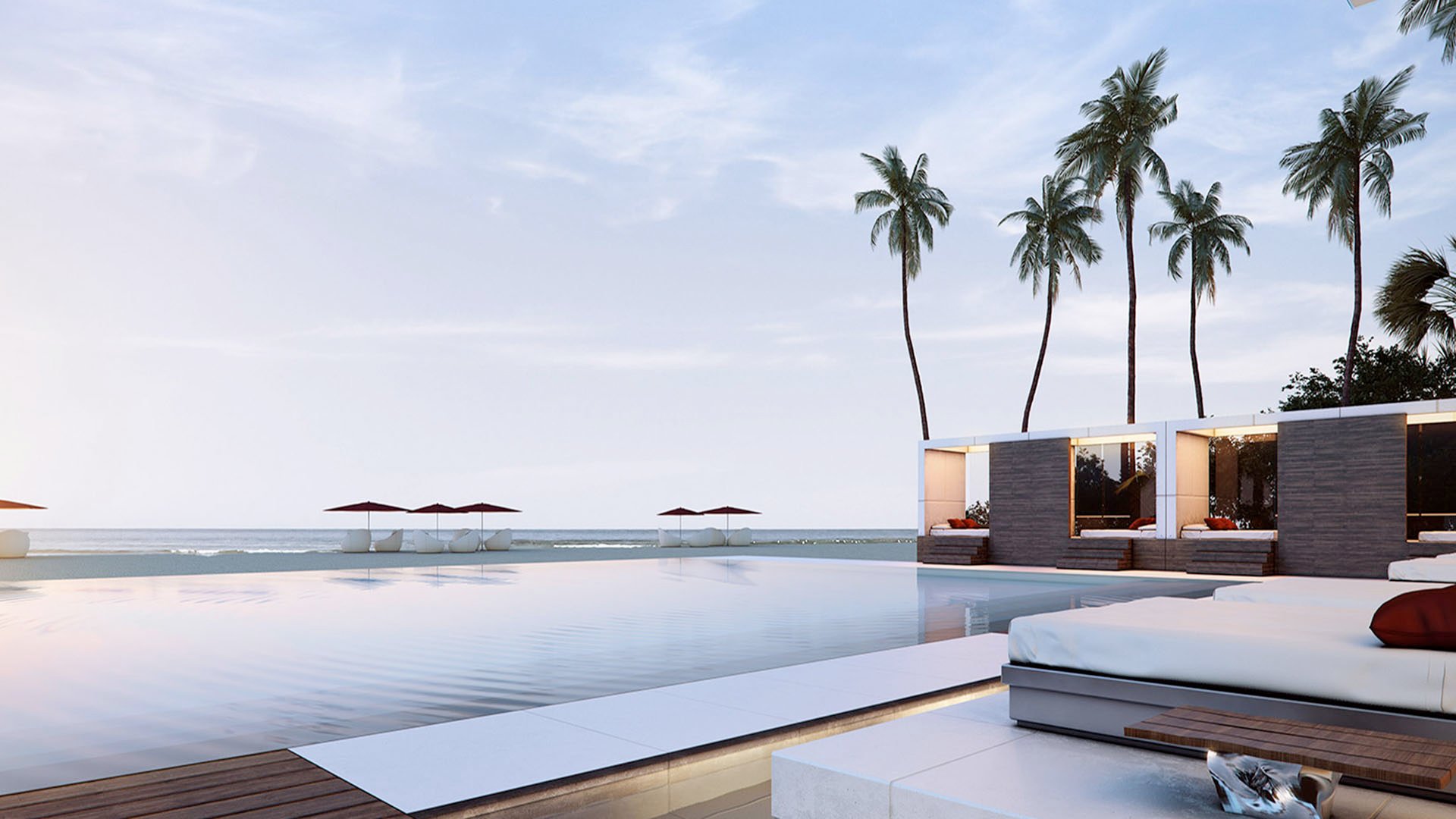
Private elevators with biometric technology, integrated Smart Tech 2.0 systems, European cabinetry, and high-end appliance packages reinforce Muse’s privacy-led positioning. Its amenities include an automated parking garage, Atlantic-facing vanishing-edge pool and spa, fitness center, poolside food-and-beverage service, and art-focused breakfast gallery.
Neither condominium is identified as imposing unusually restrictive co-op-style resale approval. That is useful context, but it is no substitute for reviewing the operative condominium documents and current association procedures.
A buyer should treat the approval application, required disclosures, submission method, processing period, and any conditions as explicit closing considerations. The contract timeline should allow sufficient time for document review and association processing. This matters especially when financing, an international transaction, entity ownership, or a tightly coordinated sale and purchase adds complexity.
Muse expresses exclusivity through boutique scale, private vertical access, large residences, and automated parking rather than through a documented gatekeeping regime. Armani/Casa likewise derives its distinction from branded design and extensive services, not from an identified co-op-style approval standard. In both cases, written association requirements should prevail over expectations formed during a showing.
Neither building has one established universal transfer, estoppel, application, screening, or move-in fee applicable to every resale. Buyers should request the current written fee schedule early enough to evaluate it before contractual deadlines expire.
The same discipline applies to recurring charges. An Armani/Casa monthly HOA figure of $2,576 sits within a broad building-wide range of $150 to $7,500, underscoring how materially charges may vary by residence. Muse sales information likewise uses unit-specific condominium-fee fields. A generalized tower estimate is no substitute for the ledger, budget, and estoppel associated with the actual home.
A complete resale review should also cover leasing restrictions, pending assessments, reserve funding, insurance, recent board minutes, and payment status. Transfer-related charges may be modest relative to the purchase price, but uncertainty around them can complicate credits, closing statements, and timing.
Armani/Casa’s 300-plus residences can broaden access to the building. More inventory gives prospective buyers additional opportunities to find a suitable line, elevation, view, condition, and price. Its global design identity may also attract purchasers already predisposed toward branded residences.
That advantage has a counterweight. Multiple active listings can create direct internal competition, allowing buyers to compare similar homes without leaving the tower. Presentation, renovation quality, view protection, pricing, and carrying costs become especially visible when alternatives coexist.
Muse’s approximately 68 residences create a different equation. Scarcity can sharpen differentiation and limit direct same-building competition, particularly for buyers prioritizing privacy, technology, oversized interiors, and expansive terraces. Yet a specialized proposition may also produce a narrower funnel, while fewer transactions can mean fewer recent comparable sales.
Neither structure is inherently superior. Armani/Casa favors recognition, choice, and a potentially broader audience. Muse favors rarity and specificity. Owners considering future liquidity should ask whether they prefer a larger marketplace with more competition or a scarcer one with fewer natural entrants.
The corridor offers several reference points for buyers evaluating how scale and identity affect demand. Jade Signature Sunny Isles Beach can be considered alongside these towers when comparing established oceanfront options, while The Ritz-Carlton Residences® Sunny Isles provides another branded point of reference.
Such comparisons should remain residence-specific. The value of oceanfront ownership depends not only on a tower name but also on the particular line, floor, exposure, condition, terrace, monthly obligations, and association record. Even within one building, those differences can materially influence the future audience.
The practical conclusion is measured. Armani/Casa may offer greater brand-led reach and more frequent entry opportunities, while Muse may appeal more intensely to a smaller cohort seeking boutique privacy. The informed buyer underwrites both the home and the eventual exit.
Does Armani/Casa have a restrictive resale approval process? No unusually restrictive co-op-style process is identified, but current association requirements and timing should be verified in writing.
Does Muse use co-op-style buyer gatekeeping? No such process is documented. Buyers should still complete all required association applications and disclosures.
Is there a standard transfer fee at Armani/Casa? No universal transfer, estoppel, or application fee is established for every residence. Obtain the current association schedule.
Is there a standard transfer fee at Muse? There is no universal transfer, application, estoppel, or move-in charge. Confirm each figure before deadlines expire.
Can published HOA figures be used for underwriting? Only as preliminary context. Actual charges should be verified for the specific residence through current association records.
Which tower has more residences? Armani/Casa has roughly 306 to 308 residences, while Muse has approximately 68.
How does Armani/Casa’s scale affect resale? It can expand buyer choice and market access, but it may also create more direct competition among listings.
How does Muse’s scarcity affect resale? Scarcity can strengthen differentiation, though fewer transactions may yield fewer comparable sales and a narrower audience.
What documents deserve special attention? Review approval rules, fee schedules, budgets, reserves, insurance, assessments, leasing restrictions, estoppels, and recent board minutes.
Which building has the deeper future buyer pool? Armani/Casa may reach a broader brand-aware audience, while Muse may resonate more strongly with privacy- and space-focused buyers.
For a discreet conversation and a curated building-by-building shortlist, connect with MILLION.
If branded residences are on your mind — as a home or as an allocation — we would be glad to share what we are seeing, privately.
Begin a quiet conversation