A practical closing framework for evaluating a Hillsboro Beach oceanfront condo by its unit line, glazing records, solar exposure, balcony conditions, elevator reliance and association documents.
Before closing on an oceanfront condo in Hillsboro Beach, evaluate the exact residence rather than relying on a general impression of the building. Obtain the official floorplate and use it to identify the unit’s orientation, adjoining residences, balconies, elevator core and nearby service areas.
Ask whether the residence is part of a corner or interior stack, then consider how that position affects sightlines, privacy, daylight and exposure. When reviewing comparable sales, prioritize homes in the same line and account for differences in floor, condition and outlook instead of relying only on building-wide comparisons.
Have the appropriate professionals confirm the parcel, jurisdiction, permit history and available records for prior window, door and interior work. The review should focus on documents tied to the specific residence and building rather than assumptions based on other coastal properties.
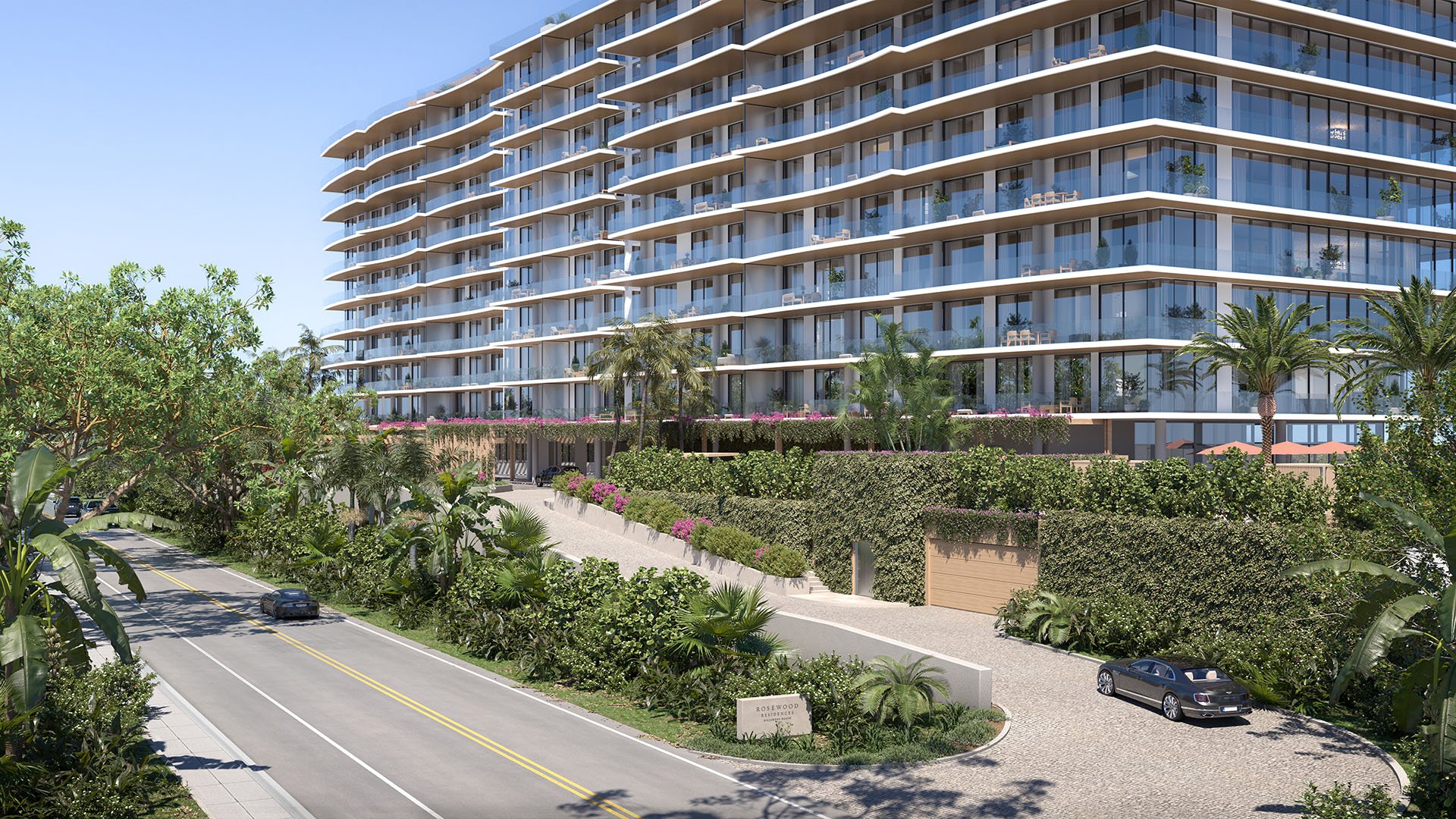
Buyers considering Rosewood Residences Hillsboro Beach or comparing Armani Casa Residences Pompano Beach should apply the same property-specific discipline. A similar setting or design concept does not replace review of the relevant records.
Request the available window-and-door schedule for each opening, including manufacturer and model information, approvals, coatings and pressure-rating documentation. Confirm whether sliders, bedroom windows and secondary openings share the same specifications or use different protection systems.
Avoid treating broad descriptions such as “impact glass” as a substitute for records. A qualified inspector, engineer or other appropriate professional can help determine whether the documented assembly corresponds to the installed opening and whether the installation history is adequately supported.
Visit the residence at more than one time of day when possible. Note where direct light enters, how glare affects principal rooms, whether shades are needed for comfort and how the interior feels near large expanses of glass.
A corner residence may provide additional view angles while also creating more surfaces to evaluate. An interior line may present a different balance of outlook, privacy and solar exposure. The preferred configuration depends on the buyer’s use of the home, furnishings and tolerance for operating shades.
The same residence-level review is useful when considering The Ritz-Carlton Residences® Pompano Beach. Project branding should not replace an inspection of the particular home at the hours relevant to its future owner.
Evaluate the balcony as an outdoor room exposed to changing conditions. Consider its depth, shade, wind, privacy from neighboring lines, drainage and signs of water entry. Operate the doors and listen for unusual vibration, rattling or whistling.
Ask management for applicable balcony rules and written guidance on lighting, furnishings, smoking, cooking equipment and storm preparation. Do not assume that practices permitted at another building will apply to this property.
Use the floorplate and an in-person visit to assess the residence’s relationship to passenger elevators, service elevators and stairs. Ask management about elevator availability, maintenance history, outage procedures, backup-power arrangements and any planned work.
For a high-floor residence, consider how an interruption would affect daily access, deliveries, guests and emergency planning. Proximity to an elevator lobby may be convenient, but buyers should also listen for traffic, door operation and service activity.
Request the association documents and current materials your legal and financial advisers consider relevant, which may include budgets, reserve information, inspection reports, meeting records and assessment notices. Review planned projects and funding obligations alongside the physical inspection of the residence.
Ask whether seawalls, docks, façades, roofs, balconies, elevators or other shared systems are association responsibilities. The closing decision should connect the strengths and limitations of the exact line with the condition and financial planning of the property as a whole.
What does a condo line mean? It generally refers to a vertical stack of residences with a recurring position or layout. Confirm the exact configuration on the official floorplate.
Why should a buyer obtain the floorplate? It can clarify orientation, neighboring units, balcony placement and proximity to elevators or service areas.
Is a corner line automatically better? No. Additional glass and view angles should be weighed against privacy, glare, heat and wind considerations.
What glazing records should be requested? Ask for available manufacturer, model, approval, coating, pressure-rating and installation records for each type of opening.
Does impact-rated glazing answer every comfort question? No. Solar exposure, coatings, shades, installation condition and the orientation of each opening still require review.
How can a buyer assess heat gain? Visit at different hours and observe direct sun, glare, shade use and comfort near the windows.
What makes a balcony practically usable? Depth, shade, wind, privacy, drainage, door operation and building rules can all affect everyday use.
What elevator questions matter before closing? Ask about the number and type of elevators, maintenance, outages, backup arrangements, planned work and stair access.
Which association materials deserve attention? Review the documents recommended by the buyer’s advisers, including available budgets, reserve materials, inspection reports, meeting records and assessment notices.
Why review shared waterfront systems? Shared infrastructure may affect future work and association obligations, even when the buyer is primarily focused on the residence’s ocean view.
If you'd like a private walkthrough and a curated shortlist, connect with MILLION.
If branded residences are on your mind — as a home or as an allocation — we would be glad to share what we are seeing, privately.
Begin a quiet conversation