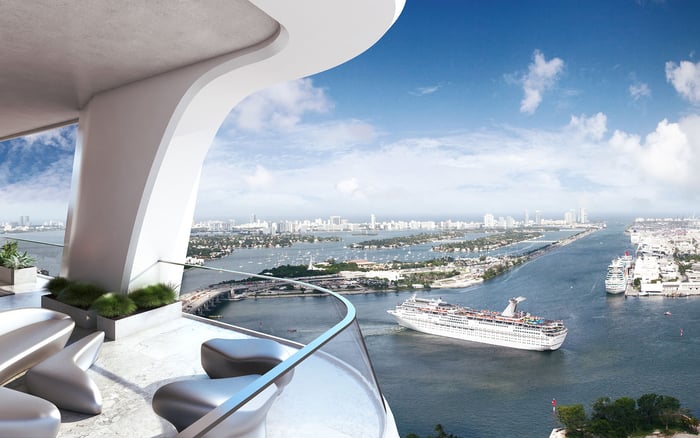
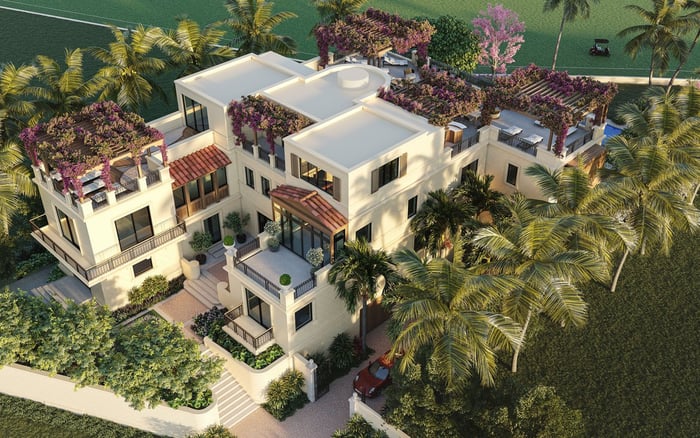
A buyer-oriented guide to evaluating construction quality, façade maintenance, and reserve visibility when considering full-time ownership at Armani Casa Residences Pompano Beach and One Thousand Museum Downtown Miami.
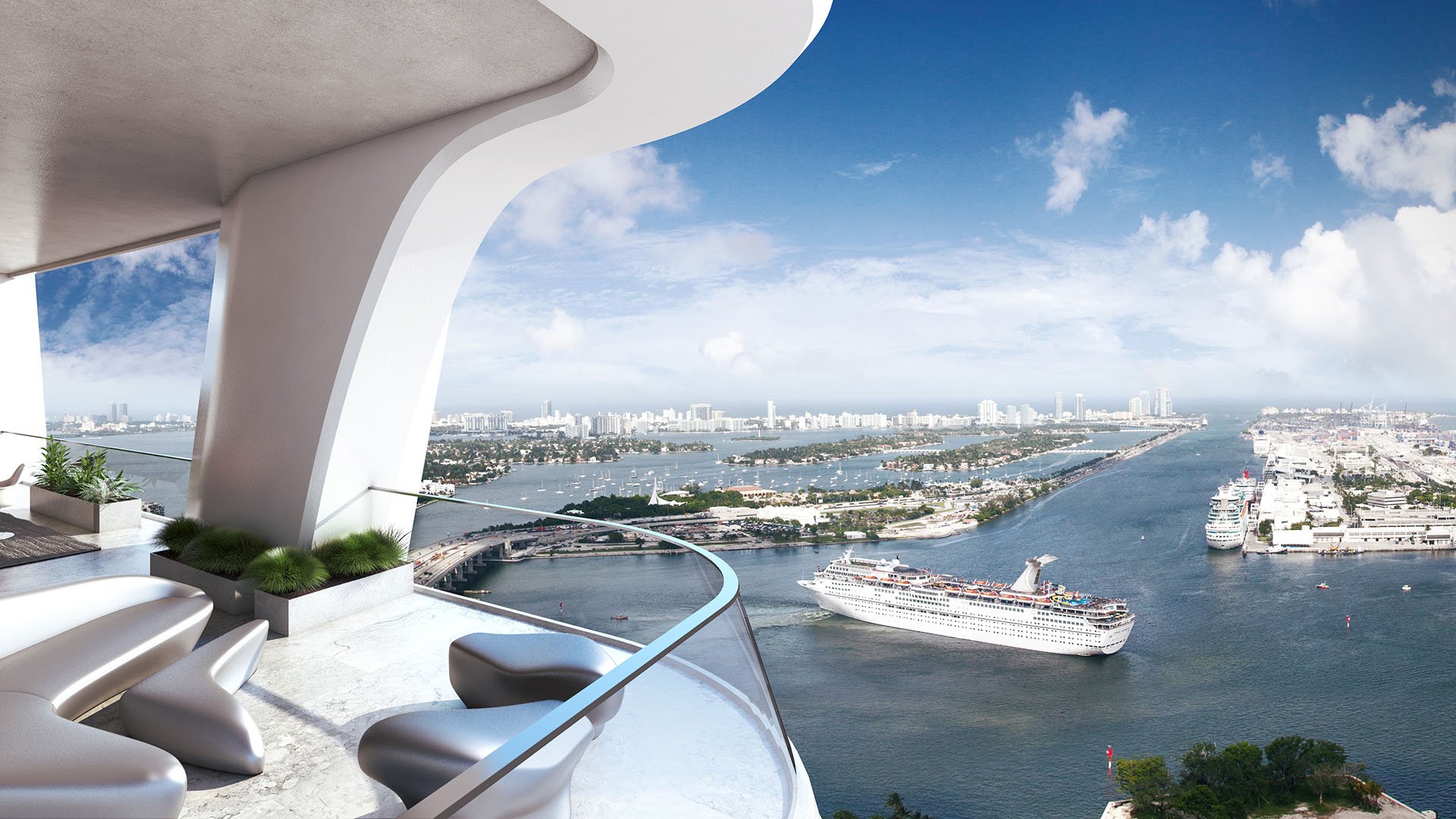
Armani Casa Residences Pompano Beach and One Thousand Museum Downtown Miami occupy different South Florida contexts, yet they raise the same essential question for serious buyers: how does a highly designed condominium perform when it is not only admired, but lived in every day? For a seasonal owner, a residence may be judged by arrival moments, service touchpoints, and views. For a full-time owner, the standard becomes more intimate. Elevators, corridors, glazing, balcony assemblies, mechanical systems, acoustics, and maintenance routines become part of the daily rhythm.
That is why construction quality, façade maintenance, and replacement-reserve visibility deserve a place beside floor plan, view corridor, and finish package. A building can be visually compelling and still require careful review of its long-term operating discipline. Conversely, a well-managed tower may reveal its value quietly through clear documentation, predictable maintenance, and a culture of stewardship.
For buyers comparing Pompano Beach living with a Downtown address, the question is not which setting is more glamorous. It is which building profile, association structure, and maintenance philosophy best support the life the owner intends to live.
Construction quality should be evaluated beyond the sales language of materials and architecture. Full-time owners experience the building in motion: how doors close, how glass manages heat and sound, how corridors age, how common areas absorb traffic, and how mechanical systems respond during periods of heavy use.
At the luxury level, buyers often focus first on visible finishes. That is natural, but incomplete. The more meaningful questions sit behind the surfaces. How are water-intrusion risks monitored? How are terrace and balcony conditions inspected? How does the association handle recurring repairs, warranty items, and owner communications? Are maintenance records organized in a way that helps a buyer understand patterns rather than isolated events?
A polished lobby is not a substitute for disciplined building operations. For a primary residence, quality is measured across years, not during a single showing. It is found in quiet interiors, consistent climate control, reliable vertical transportation, and an association that treats small defects before they become expensive capital issues.
In South Florida, a façade is both an architectural identity and a working envelope. Glass, sealants, railings, anchors, coatings, concrete, stone, and waterproofing details all confront a demanding climate. Coastal exposure, humidity, wind-driven rain, heat, and urban pollution can create maintenance obligations that are easy to underestimate during a purchase process.
For Armani Casa Residences Pompano Beach, buyers should think carefully about the realities of a coastal setting. Salt air, sun exposure, and wind patterns can affect exterior components over time. This does not diminish the appeal of Pompano Beach living, but it does place a premium on proactive inspections and well-funded maintenance planning.
For One Thousand Museum Downtown Miami, the urban high-rise context brings a different set of considerations. Downtown towers must manage height, access logistics, exterior cleaning schedules, staging complexity, and the coordination required when specialized façade work is needed. The maintenance conversation is not only about what must be done, but how efficiently and transparently it can be executed.
Façade care is not simply about preserving appearance. It protects interior comfort, energy performance, resale confidence, and the building’s broader reputation. In a luxury tower, the exterior envelope is one of the most important shared assets owners collectively fund.
Replacement reserves are often treated as an accounting category, but for full-time owners they are a lifestyle issue. A building with insufficient visibility into future capital needs can surprise owners with special assessments, deferred work, or contentious budget conversations. A building with clearer reserve discipline gives owners a better view of what their monthly obligations are meant to support.
Reserve visibility does not mean a buyer can predict every future expense. It means the association can show how it thinks about major components: roofs, façades, elevators, mechanical systems, waterproofing, life-safety systems, amenity areas, garage elements, and other shared infrastructure. Buyers should ask for current budgets, reserve schedules, meeting minutes, inspection references, and any discussion of planned capital work.
The most reassuring buildings tend to communicate in plain language. They do not make owners guess whether funds are being set aside for visible amenities at the expense of less glamorous systems. In luxury real estate, financial transparency is itself an amenity, particularly for owners who expect stability and discretion.
A serious review should combine document diligence with physical observation. Resale buyers should request association financials, budgets, reserve information, insurance details, recent meeting minutes, rules, and any disclosed maintenance plans. The goal is not to search for imperfection, because every building requires upkeep. The goal is to understand whether the association identifies issues early, funds them responsibly, and communicates with owners in a timely manner.
Physical observation matters as well. Walk common corridors. Study garage conditions. Look at balcony edges, exterior sealant lines where visible, pool decks, amenity finishes, and elevator performance. Listen for interior sound transfer. Ask how often exterior cleaning occurs and how façade access is handled. In a high-rise environment, the logistics of maintenance can materially affect both cost and inconvenience.
A private inspector or consultant familiar with condominium buildings can add context, especially for buyers planning to occupy full time. The most refined purchases are not driven by anxiety, but by calibration. The buyer wants to understand the building as an operating asset, not only as a design object.
The appeal of Armani Casa Residences Pompano Beach is tied to a quieter coastal ownership mindset, while One Thousand Museum Downtown Miami belongs to a more vertical, urban conversation. Neither profile is inherently easier. Coastal buildings ask owners to respect environmental exposure. Downtown towers ask owners to understand complexity, access, and the operational demands of height.
The best choice depends on how the owner lives. Someone prioritizing a calmer daily cadence may look differently at maintenance schedules than a buyer who values Downtown access and a dramatic skyline setting. The important point is that ownership costs are not merely a function of purchase price. They are shaped by the building envelope, association governance, staffing, insurance environment, reserve discipline, and owner expectations.
Luxury buyers are increasingly attentive to these questions because they understand that a residence is both a private sanctuary and a shared physical system. The more ambitious the architecture, the more important it becomes to understand how that architecture is maintained.
The strongest ownership environments often feel calm because the work is happening before it becomes visible. Boards review needs methodically. Managers communicate clearly. Contractors are evaluated carefully. Owners understand why assessments or reserve contributions exist. Building staff can explain routines without defensiveness.
Look for evidence of consistency. Are common areas clean without feeling over-managed? Are repairs handled with matching materials and careful workmanship? Are rules enforced with discretion? Does the association balance service expectations with financial prudence? These markers may not appear in glossy marketing, but they shape daily satisfaction.
For a buyer considering either Armani Casa Residences Pompano Beach or One Thousand Museum Downtown Miami, the right approach is neither skepticism nor blind admiration. It is refined due diligence. The most secure luxury purchase is one where beauty, governance, maintenance, and capital planning are all visible enough to inspire confidence.
Why does construction quality matter more for full-time owners? Full-time owners experience the building every day, so comfort, acoustics, systems reliability, and maintenance responsiveness become central to value.
Is façade maintenance mainly an aesthetic concern? No. Façade maintenance affects water resistance, comfort, long-term repair costs, and the building’s reputation in the resale market.
What should buyers ask about replacement reserves? Buyers should ask how major shared components are tracked, funded, and scheduled for future repair or replacement.
Are coastal buildings more maintenance intensive? Coastal exposure can place added pressure on exterior components, making regular inspection and disciplined upkeep especially important.
Does Downtown living create different building obligations? Yes. A Downtown high-rise can involve complex access, staging, elevator, and exterior maintenance logistics.
Should buyers review board meeting minutes? Yes. Meeting minutes can reveal how a building discusses maintenance, budgets, owner concerns, and upcoming capital work.
What physical areas should a buyer observe during a showing? Corridors, elevators, garages, terraces, amenity decks, and visible exterior conditions can all provide useful signals.
Can a beautiful building still have reserve concerns? Yes. Design quality and financial planning are separate issues, and both deserve independent review.
Should owners hire a specialist before purchasing? For a primary residence in a luxury tower, a condominium-savvy inspector or consultant can provide valuable perspective.
What is the best way to shortlist comparable options for touring? Start with location fit, delivery status, and daily lifestyle priorities, then compare stacks and elevations to validate views and privacy.
When you're ready to tour or underwrite the options, connect with MILLION.
If branded residences are on your mind — as a home or as an allocation — we would be glad to share what we are seeing, privately.
Begin a quiet conversation