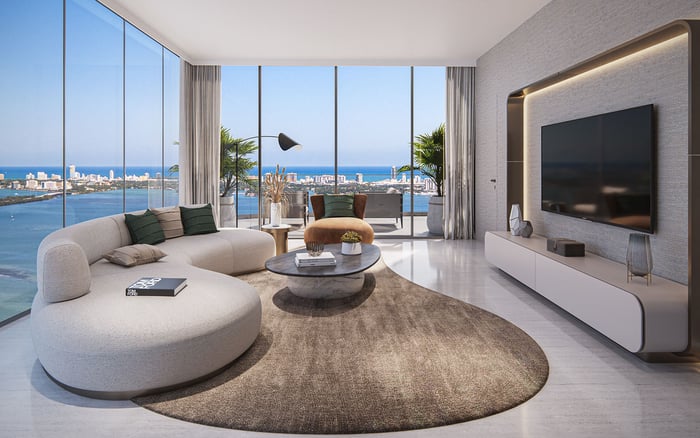
A buyer-focused look at Aria Reserve Miami for seasonal owners who may want a true year-round residence, with attention to Edgewater location, views, services, governance, and daily-use considerations.
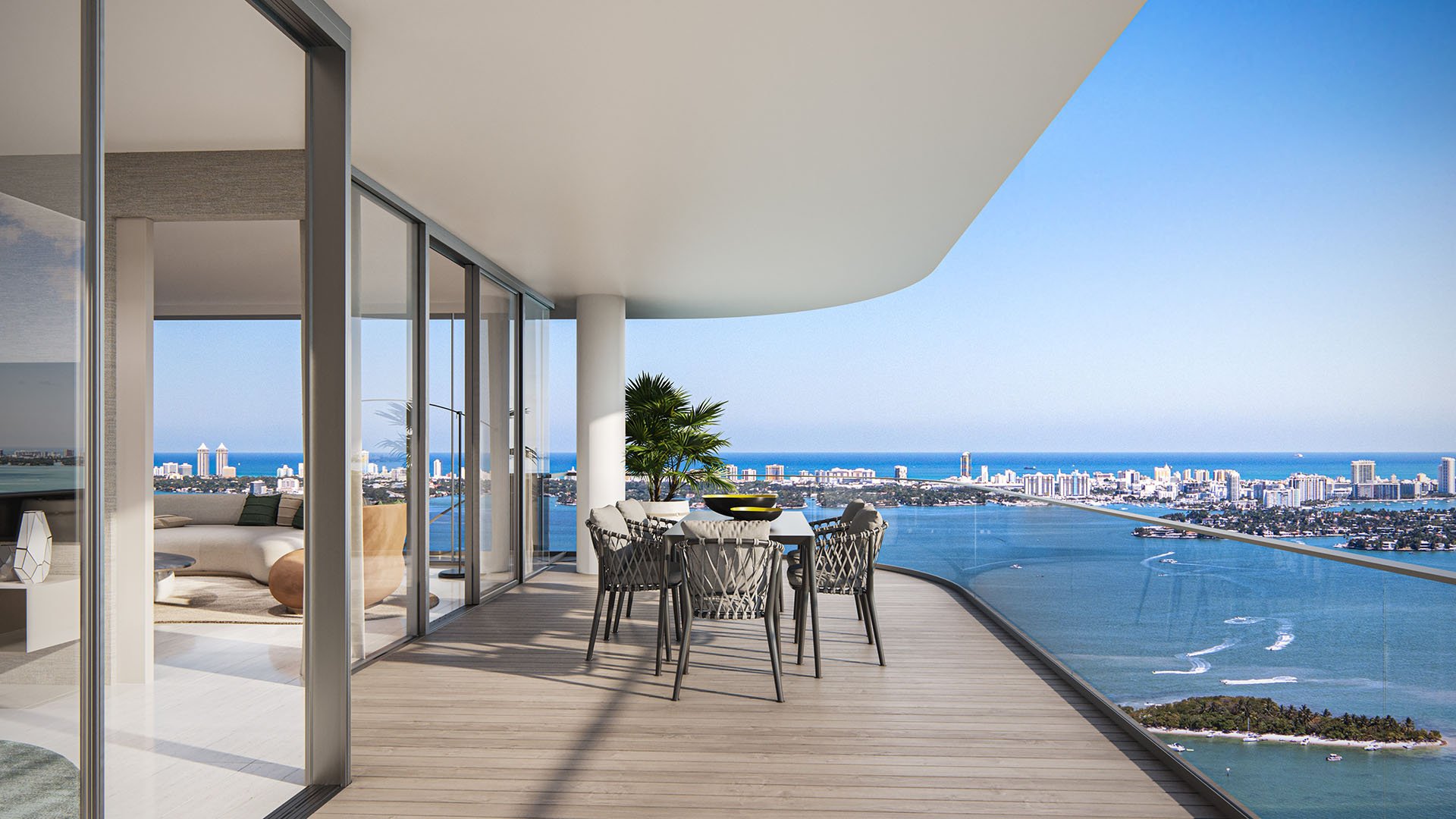
Aria Reserve Miami is not simply a winter-address proposition. For many buyers, the more important question is whether a residence first purchased for seasonal use can later support a true 12-month Miami lifestyle. That is a higher standard. A second home may be judged by views, arrival experience, and lock-and-leave ease. A primary residence must also perform through summer weather, weekday routines, service consistency, building governance, parking flow, package volume, and the less glamorous rhythms of daily life.
For seasonal buyers, the appeal should be evaluated not only as an image of Miami living, but as an operating environment. The most important question is not whether the residence feels impressive during peak season. It is whether it can remain comfortable, efficient, and predictable when used as a full-time home.
Seasonal ownership often rewards emotion. Buyers respond to water, light, terraces, finishes, arrival sequences, and the sense of being somewhere distinctly South Florida. Full-time livability is more demanding. It asks how the building handles daily use, how residents move through shared spaces, how deliveries are managed, how guests are received, and whether the service culture remains consistent beyond the busiest winter months.
That distinction matters for any large luxury condominium, especially one being considered by buyers who may split time between Miami and another major city. A residence that works beautifully for long weekends may need a different layout, storage plan, parking approach, and service expectation if it later becomes the owner’s primary base.
Views are often the emotional starting point for a Miami purchase, but they can also support daily livability. A bay-facing home can make everyday routines feel more expansive, particularly for buyers who work from home, host family, or spend extended time in the residence outside the traditional winter season. Morning light, changing weather, evening color, and the sense of openness can all influence how a home feels over time.
Terraces deserve the same practical review. A terrace should be judged by how it will actually be used: coffee, meals, reading, laptop work, evening conversation, or quiet time between appointments. Seasonal buyers should ask whether the outdoor space is simply attractive or whether it can function as a true extension of the residence.
Glass, views, and outdoor space also raise practical questions. Buyers should consider privacy, sun exposure, window treatments, cooling comfort, furniture placement, and how the residence feels during different parts of the day. Full-time comfort is built from these details.
The right floor plan depends on how the owner expects to live. A seasonal buyer may prioritize a view-oriented primary suite, an elegant great room, and guest accommodations for occasional visits. A year-round resident may need more: a dedicated office, flexible guest space, storage, room for extended family, or a layout that separates entertaining from private areas.
Buyers should be especially honest about work patterns. If the residence may become a primary home, a laptop at the dining table may not be enough. The home should support calls, quiet concentration, and the daily rhythm of professional life. For many relocating or semi-relocating buyers, the ability to work comfortably from Miami is central to whether the property can evolve from seasonal retreat to full-time residence.
Storage also becomes more important with time. A residence used for a few months can function with lighter wardrobes and fewer household systems. A full-time home needs a place for luggage, seasonal clothing, sports equipment, paperwork, supplies, and the practical objects that rarely appear in marketing imagery.
The operational side of a luxury condominium is where full-time livability is won or lost. Seasonal owners should pay close attention to concierge consistency, front-desk coverage, elevator experience, parking circulation, guest management, package handling, move-in procedures, service access, and rules for contractors or deliveries.
Association governance is equally important. Buyers should review the applicable condominium documents, budget assumptions, maintenance obligations, insurance considerations, reserve planning, pet policies if relevant, rental limitations, guest policies, and the process for transition from developer control to owner governance when applicable. These are not merely legal details. They shape the daily experience of ownership.
Operating costs should also be studied with a long-term mindset. A buyer using the home seasonally may accept certain costs as part of a lifestyle purchase. A full-time owner will experience those costs as part of a household budget. The question is not only whether the buyer can afford the residence, but whether the building’s cost structure aligns with how the buyer wants to live.
Edgewater’s appeal is its position within Miami’s urban waterfront fabric. For seasonal owners, that can mean access to the city’s energy without necessarily choosing the densest commercial core. For full-time residents, the neighborhood question becomes more practical: where will you dine midweek, how will daily transportation work, how often will you travel, and which services will you rely on repeatedly?
Buyers considering Florida as a more permanent base should widen the inquiry beyond the apartment. Healthcare access, tax planning, airport routines, family logistics, professional meetings, schools where relevant, and summer habits all matter. A winter buyer can live around a building. A full-time resident must live within a neighborhood.
This is especially important for buyers relocating from other major markets, where daily systems may already be deeply ingrained. Miami can be highly livable, but each neighborhood has its own rhythm. The right decision should be grounded in how often the buyer expects to drive, entertain, travel, work from home, and use nearby cultural or commercial districts.
The most sophisticated buyers separate the emotional decision from the operational one. The emotional case may begin with water, light, skyline presence, terraces, and the promise of a Miami lifestyle. The operational case is more nuanced.
Before treating any seasonal residence as a future primary home, buyers should confirm what is included, what remains subject to final documents, how the association will operate, how parking and access are handled, what restrictions apply, and how daily services are expected to function. They should also ask how the property will feel when more owners are in residence at the same time.
None of this diminishes the appeal of a bayfront Miami condominium. Rather, it is the due diligence appropriate to a serious purchase. Seasonal buyers often purchase around beauty. Full-time residents stay because the building works.
Aria Reserve Miami can appeal to seasonal buyers who want a bayfront Miami lifestyle with strong indoor-outdoor potential. The same qualities that make a residence compelling for winter use can also support year-round living if the buyer chooses the right layout, understands the cost structure, and is comfortable with the realities of condominium operations.
The strongest candidates are buyers who want water views without retreating from the city, who value outdoor living in the sky, and who are willing to evaluate services and governance with the same seriousness they bring to finishes and views. For them, the question is not only whether Aria Reserve Miami can be a seasonal escape, but whether it can become a durable Miami base.
What should seasonal buyers ask first about Aria Reserve Miami? They should ask whether the residence can support daily life beyond winter visits, including services, parking, storage, comfort, and building operations.
Why is full-time livability different from seasonal ownership? Seasonal ownership often centers on arrival, views, and ease, while full-time living depends on routines, staffing, governance, costs, and neighborhood practicality.
Why do terraces matter for year-round use? Terraces can function as outdoor living areas, but buyers should test whether they support real daily activities such as dining, reading, and working.
How should buyers evaluate a bay-facing layout? They should consider light, privacy, sun exposure, window treatments, cooling comfort, and furniture placement, not just the view itself.
What layout features help a seasonal home become a primary home? A dedicated office, flexible guest space, practical storage, and separation between entertaining and private areas can make full-time use easier.
Why are association documents important? They define rules, costs, maintenance obligations, rental limitations, guest policies, and governance procedures that directly affect ownership.
What service questions should buyers ask? Buyers should review concierge coverage, package handling, elevator flow, guest access, parking procedures, and move-in or delivery protocols.
How should operating costs be viewed? Costs should be evaluated as part of a long-term household plan, especially if the residence may become a primary Miami base.
Why does the Edgewater location matter for full-time living? Neighborhood routines such as dining, transportation, healthcare access, travel patterns, and daily services become more important with year-round use.
Can Aria Reserve Miami work for both seasonal and full-time buyers? It may, depending on the buyer’s layout choice, comfort with condominium operations, cost expectations, and desired Miami lifestyle.
If you'd like a private walkthrough and a curated shortlist, connect with MILLION.
If branded residences are on your mind — as a home or as an allocation — we would be glad to share what we are seeing, privately.
Begin a quiet conversation