A buyer-focused guide to evaluating spa appointment access at Arbor Coconut Grove before signing, with emphasis on reservation priority, operating rules, fee clarity, and contract-level diligence.
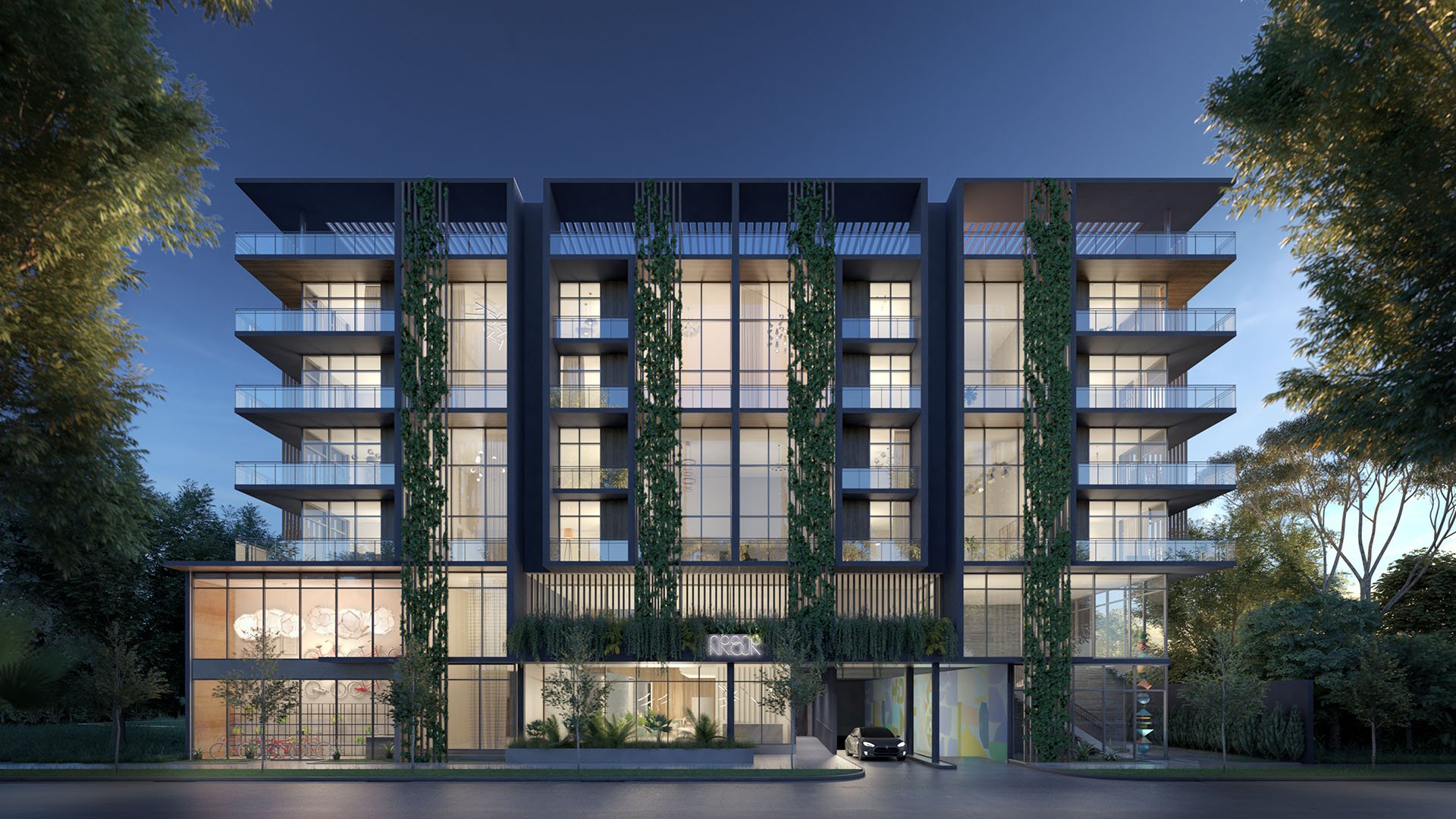
At Arbor Coconut Grove, the spa and wellness conversation should begin before the contract is signed, not after the residence is delivered. For a South Florida luxury buyer, wellness is no longer a decorative amenity category. It is part of how the home is expected to function, particularly for owners who want privacy, recovery, consistency, and ease built into daily life.
The central question is not simply whether a spa or wellness amenity exists. The more valuable question is whether appointments can be secured reliably at the times, frequency, and service level that matter to the buyer. A beautifully designed wellness environment supports the lifestyle proposition only if access is operationally credible.
That distinction matters at Arbor Coconut Grove because the purchase decision is often tied to more than square footage and finishes. It may also rest on a quieter rhythm of living in Coconut Grove, where a residence should support routines rather than complicate them. The Coconut Grove setting may be the emotional draw, but the operating rules determine whether the amenity experience feels effortless.
Luxury buyers are accustomed to evaluating views, ceiling heights, parking, terraces, storage, and private amenities with precision. Spa access deserves the same scrutiny. It is not enough to hear that a project includes wellness features. The buyer should understand how the appointment system will work in practice.
A spa is an operating amenity because it depends on capacity, staffing, scheduling, pricing, and rules. A treatment room without adequate hours, a popular therapist without sufficient availability, or a booking window that favors certain users can create a meaningful gap between promise and experience. That gap is especially relevant for buyers who expect wellness access to be part of the residence’s everyday value.
For Arbor Coconut Grove buyers, the pre-contract test should be practical: can the amenity reasonably support the buyer’s preferred schedule? A weekly massage on weekday mornings, a recurring recovery session after travel, or occasional guest appointments each create different demand patterns. The lifestyle value lies in whether those patterns are realistic.
The first diligence question is who operates the spa. An in-house team, third-party operator, association-managed system, or rotating service model can each produce a different experience. The operating structure may affect pricing, staffing continuity, service standards, and accountability if appointments become difficult to secure.
The second question is how reservations are prioritized. Buyers should ask whether residents have guaranteed access, priority access, or merely discretionary access based on availability. Those phrases are not interchangeable. Guaranteed access suggests a stronger expectation, while discretionary access may leave the amenity subject to changing rules, staffing levels, or demand.
The third question is how far in advance appointments may be booked. A short booking window may work for flexible users but frustrate owners with structured schedules. A long booking window may benefit planners but create scarcity if prime times disappear quickly. The best answer is not always the longest window. It is the system that most closely matches the buyer’s habits.
Cancellation rules also matter. A strict cancellation policy may protect scarce appointment slots, while a loose policy may create inefficiency and last-minute uncertainty. Buyers should ask whether late cancellations carry fees, whether no-shows affect future booking priority, and whether unused slots can be released to residents on a waitlist.
A simple capacity model can reveal more than a polished rendering. Buyers do not need a consultant’s spreadsheet to begin. They need to compare likely demand with treatment rooms, staff hours, and appointment duration.
Start with the number of treatment rooms expected to be available. Then consider the likely operating hours and the average length of a service, including turnover time between appointments. From there, estimate how many total appointment slots can exist during peak periods. The result does not need to be exact to be useful. It can still show whether the amenity feels generously planned or potentially constrained.
Peak times deserve special attention. Early mornings, late afternoons, weekends, and pre-event windows are often the most desirable. If a buyer’s preferred use is concentrated during those periods, total weekly capacity is less important than prime-time capacity. A spa may have ample midweek availability yet remain difficult for owners who need Saturday mornings.
Repeat-use limits should also be reviewed. Some buildings may limit how often a resident can reserve certain amenities during high-demand periods. If spa access is a major purchase driver, the buyer should know whether frequent use is protected, discouraged, or subject to future rulemaking.
Spa services may be included in common charges, priced à la carte, or structured through a hybrid model. Buyers should ask directly which costs are included and which are separate. The answer can affect both monthly ownership expectations and the perceived value of the amenity package.
Fee-change authority is just as important as the initial price list. If the operator or association may adjust pricing later, a buyer should understand the process. Wellness access that feels attractive at one price point may feel different if service fees, gratuities, or guest charges change over time.
Guest policies should be reviewed with equal care. Some buyers want the ability to book treatments for family, visiting friends, or household staff. Others may prefer a resident-only environment to preserve privacy and capacity. Neither preference is right or wrong, but the governing documents and operating rules should make the actual policy clear.
Second-home owners should pay particular attention to seasonal use. If a buyer is in residence only during certain months, the relevant question is whether access will be reliable during those exact periods, not averaged across the year. The same standard applies to owners who travel frequently and want wellness appointments clustered around arrival and departure dates.
Before relying on spa access as part of the lifestyle value proposition, buyers should scrutinize the purchase contract materials and related governing documents. Sales language can describe an amenity broadly, while documents may define whether access is guaranteed, conditional, subject to rules, or subject to change.
Written specifics are preferable to informal assurances. A buyer should look for language addressing operator responsibility, reservation priority, resident eligibility, guest use, fees, rules, hours, and the ability to modify services in the future. If the documents are silent, that silence should not be mistaken for a promise.
This is especially important for new-construction and pre-construction buyers, where amenities may not yet be tested in daily operation. Early-phase residences often require buyers to evaluate a planned experience before it exists. In that setting, renderings and sales-center descriptions may be helpful for understanding intent, but they should not replace written operational clarity.
Use the same discipline you would bring to pool access, valet procedures, private dining, fitness programming, and parking. An amenity with a strong design concept still needs rules that support the way residents actually live.
If spa access is a pleasant extra, the buyer may be comfortable with general information. If it is a primary reason for choosing Arbor Coconut Grove, the threshold should be higher. In that case, contract-level clarity or written disclosures should be sought before signing.
The buyer should also distinguish between personal preference and resale relevance. Wellness-centric living is important across the South Florida luxury market, but not every future buyer will value the spa in the same way. The most durable amenity value comes from a system that is easy to explain, easy to use, and supported by sensible rules.
A residence can be exquisite, a neighborhood can be compelling, and an amenity package can be visually persuasive. Still, appointment access is where wellness becomes tangible. The pre-contract objective is to reduce ambiguity so the buyer knows whether the promised lifestyle can be lived with confidence.
Why should spa access be reviewed before contract at Arbor Coconut Grove? Because the value is not only the presence of a spa, but whether appointments can be secured when the owner wants to use them.
Is marketing language enough to rely on spa availability? No. Buyers should separate wellness branding from the practical rules governing appointment access, pricing, and priority.
What is the most important reservation question? Ask whether resident access is guaranteed, prioritized, or simply subject to availability under future operating rules.
Should buyers ask who operates the spa? Yes. The operator can influence staffing, service quality, scheduling discipline, pricing, and accountability.
How can a buyer test whether capacity is realistic? Compare treatment rooms, staff hours, appointment duration, turnover time, and likely demand during peak periods.
Why do cancellation rules matter? They determine whether scarce appointment slots are protected, wasted, or made available to other residents in time.
Are spa services usually included in common charges? Buyers should not assume that. Services may be included, à la carte, or subject to future pricing changes.
Do guest policies affect resident access? Yes. Generous guest access can enhance hospitality, but it may also increase demand for limited appointment slots.
Why are early-phase buyers more exposed to uncertainty? Because amenity operations may not yet be proven, making written specifics more important than informal descriptions.
What should buyers do if spa access is a major purchase driver? They should seek written clarity in contract materials or disclosures before signing, especially on access, fees, and rules.
For a discreet conversation and a curated building-by-building shortlist, connect with MILLION.
If branded residences are on your mind — as a home or as an allocation — we would be glad to share what we are seeing, privately.
Begin a quiet conversation