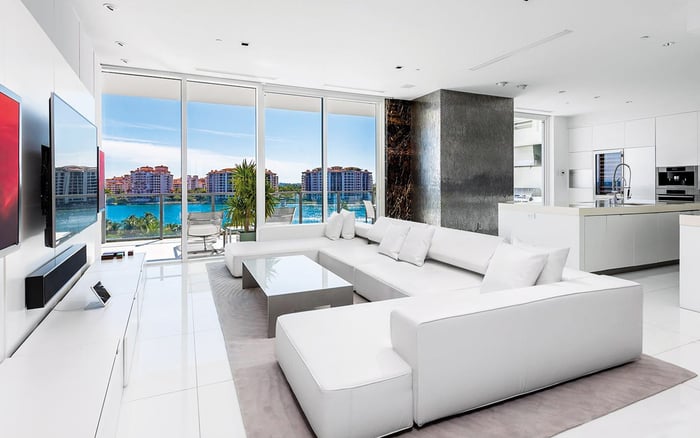
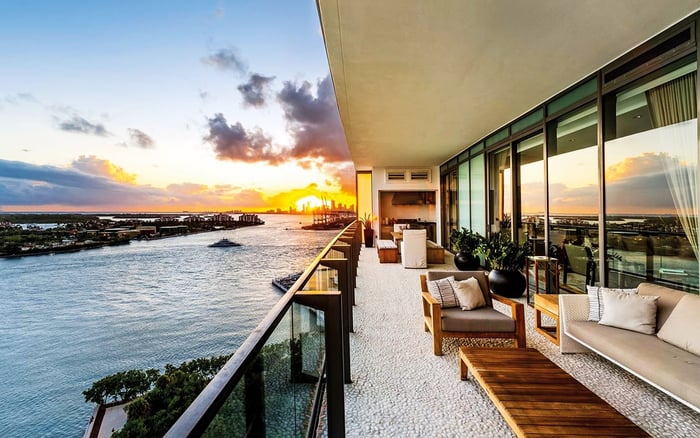
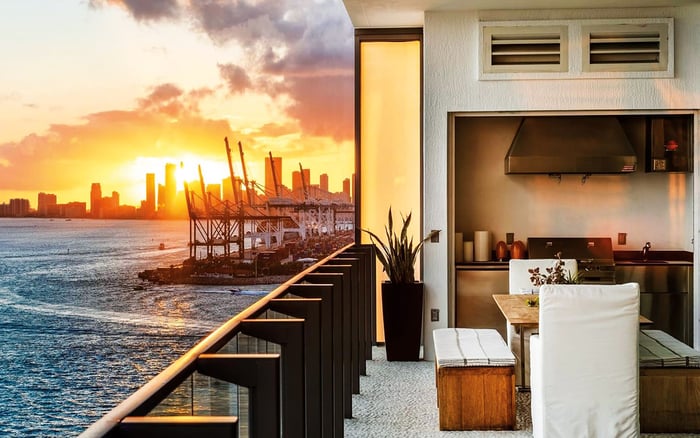
A buyer-focused comparison of Apogee South Beach and Forté on Flagler West Palm Beach through the lens of association rules, rental flexibility, daily use, governance, and long-term ownership comfort.
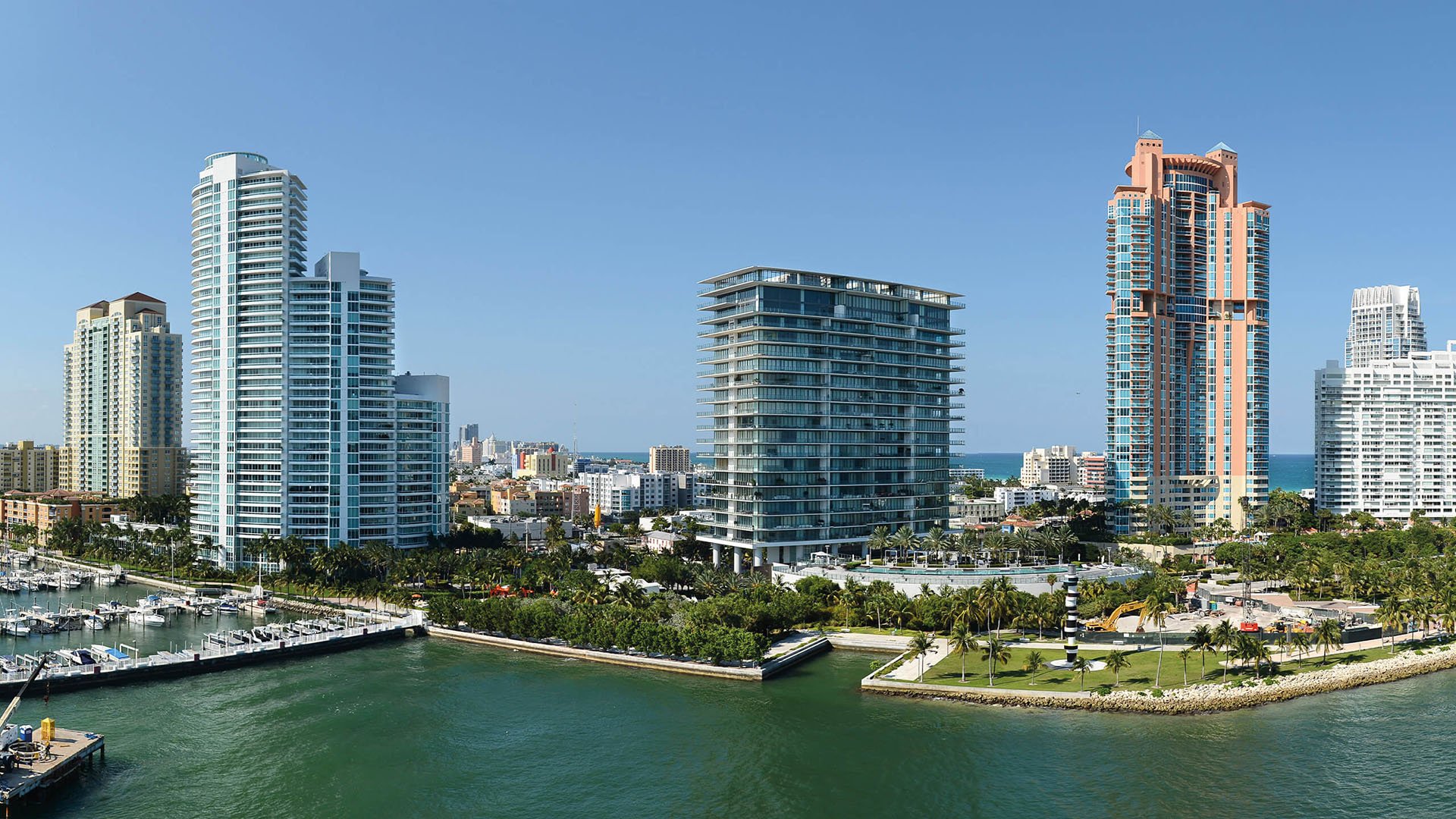
Apogee South Beach or Forté on Flagler West Palm Beach is not a simple question of coastal preference. For a certain buyer, both names signal a polished South Florida ownership ambition. Yet the more consequential distinction sits inside the operating documents, association culture, rental posture, and practical rhythm of living there over many years.
The most refined condominium purchase is rarely decided by the lobby alone. It is decided by what ownership permits, what it restricts, and how smoothly the building functions after the novelty of closing has passed. A buyer comparing Apogee South Beach with Forté on Flagler West Palm Beach should move beyond the aesthetic conversation and into the mechanics of daily use.
This is especially true for buyers who may alternate among primary residence, seasonal use, and potential future rental. Market labels such as Miami Beach, South of Fifth, West Palm Beach, second-home ownership, and long-term rentals can help frame the conversation, but they do not replace document review. The rules are where lifestyle becomes enforceable reality.
Flexibility is often used casually in luxury real estate, but in a condominium it has a precise meaning. Can an owner lease the residence, and if so, how often? Are leases subject to minimum terms? Is board approval required? Are guests treated differently from tenants? Are pets, staff access, deliveries, alterations, and terrace use governed with a light hand or a strict one?
For Apogee South Beach, the buyer should examine how the building’s established association framework supports privacy, order, and controlled access. In mature luxury condominiums, rules often reflect years of owner preference. That can be an advantage for buyers who value predictability and a settled residential culture.
For Forté on Flagler West Palm Beach, the same questions matter through a slightly different lens. Newer or recently delivered residences often invite buyers to consider the future shape of the community. Early ownership periods can establish patterns around rentals, staffing, amenity use, and board expectations that influence the building’s character for years.
The best association rules do not merely say no. They preserve a standard. In a highly serviced building, limitations on leasing, move-ins, contractor access, event use, and guest registration can protect the calm that luxury buyers are paying for. A rule that feels restrictive on paper may feel protective in practice.
The inverse is also true. A buyer who expects maximum optionality may discover that a serene building is intentionally not designed for constant turnover. If the ownership plan includes frequent leasing, corporate use, or a high volume of visitors, the association’s philosophy may matter more than the floor plan.
This is where Apogee South Beach and Forté on Flagler West Palm Beach should be evaluated not as trophies, but as private residential systems. The question is not simply which building is more prestigious. The question is which building’s rule structure aligns with the way the owner intends to live.
Apogee South Beach will typically appeal to the buyer who wants an established Miami Beach address with an atmosphere of discretion. The appeal is not only coastal glamour. It is the sense that the building belongs to a known residential ecosystem, where expectations around service, privacy, and access have already been tested over time.
For this buyer, ownership flexibility may be less about short-term monetization and more about graceful control. Can family members use the residence without friction? Can household staff operate efficiently? Can seasonal arrivals and departures feel seamless? Can the residence remain secure and cared for during long absences?
These are not abstract concerns. In the upper tier of South Florida ownership, a residence is often part home, part retreat, and part long-duration asset. The building’s rules determine whether that arrangement feels effortless or administratively heavy.
Forté on Flagler West Palm Beach may resonate with buyers drawn to a quieter daily cadence and a more residential Palm Beach County rhythm. The decision may involve proximity to West Palm Beach dining, culture, waterfront walks, private clubs, or family patterns that differ from a Miami Beach lifestyle.
The ownership question is how the building’s rules support that quieter life. A buyer should look carefully at leasing provisions, amenity protocols, parking, storage, pet policies, guest access, and renovation procedures. The elegance of a residence is heightened when the association’s operating style aligns with the owner’s expectations.
For some, Forté on Flagler West Palm Beach may feel like a more settled long-term base. For others, Apogee South Beach may feel more connected to the energy and identity of Miami Beach. Neither answer is universal. The right answer depends on use.
Long-term livability is created by hundreds of small decisions. How responsive is management? Are common areas maintained with consistency? Are rules enforced evenly? Does the board communicate clearly? Are capital needs anticipated rather than deferred? Does the community feel residential rather than transient?
These are the questions sophisticated buyers ask before they become owners. A building can have extraordinary design and still feel frustrating if governance is uneven. Conversely, a building with disciplined management can age with dignity and protect its appeal through changing market cycles.
For Apogee South Beach, buyers should pay close attention to the established rhythm of the association. For Forté on Flagler West Palm Beach, buyers should understand how the community is positioned to mature. In both cases, the ownership experience is inseparable from board culture and building administration.
Many buyers say they may rent eventually, even with no immediate intention to do so. That possibility should be tested before contract, not after closing. The relevant questions include minimum lease periods, frequency limits, approval processes, deposits, tenant screening, and restrictions on advertising or guest use.
A building that discourages transient use may be ideal for an owner seeking peace and continuity. A building with more permissive rental rules may suit a buyer who wants future liquidity or income flexibility. The key is to avoid assuming that all luxury condominiums operate alike.
In South Florida, two residences can feel similar in price bracket and finish while offering very different ownership rights. That difference can change resale audience, carrying strategy, and the owner’s day-to-day comfort.
A disciplined buyer should ask three questions. First, what is the intended use over the next five to ten years? Second, what flexibility may be needed if family, tax residency, work patterns, or travel habits change? Third, which association culture is most likely to make ownership feel calm rather than complicated?
If the answer centers on Miami Beach presence, established privacy, and a more iconic coastal identity, Apogee South Beach may be the more natural emotional fit. If the answer centers on West Palm Beach continuity, residential ease, and a quieter long-term pattern, Forté on Flagler West Palm Beach may deserve closer attention.
The strongest purchase is the one where the residence, the rules, and the owner’s lifestyle all point in the same direction.
Is Apogee South Beach better than Forté on Flagler West Palm Beach? Not universally. The better choice depends on how the buyer plans to use the residence and how each association’s rules align with that plan.
Why do association rules matter so much in a luxury condominium? They govern leasing, guests, pets, renovations, access, and daily operations. These rules can significantly shape the ownership experience.
Should buyers review rental rules before making an offer? Yes. Rental restrictions can affect flexibility, resale audience, and long-term ownership strategy.
Is ownership flexibility the same as investment potential? No. Flexibility concerns what the owner is allowed to do, while investment potential depends on broader market and property-specific factors.
Who is the natural Apogee South Beach buyer? A buyer who values an established South Beach setting, privacy, and a highly controlled residential environment may find it compelling.
Who is the natural Forté on Flagler West Palm Beach buyer? A buyer seeking a West Palm Beach lifestyle with a quieter residential cadence may find the ownership profile attractive.
Can strict rules be a positive feature? Yes. Strict rules can preserve calm, privacy, building standards, and a consistent owner experience.
What should buyers ask about long-term livability? They should ask about management responsiveness, board culture, maintenance standards, reserves, and rule enforcement.
Should a seasonal owner evaluate different issues than a full-time owner? Yes. Seasonal owners should focus on access, guest permissions, staff coordination, security, and absence management.
What is the best way to shortlist comparable options for touring? Start with location fit, delivery status, and daily lifestyle priorities, then compare stacks and elevations to validate views and privacy.
For a tailored shortlist and next-step guidance, connect with MILLION.
If branded residences are on your mind — as a home or as an allocation — we would be glad to share what we are seeing, privately.
Begin a quiet conversation