Apogee South Beach merits attention from buyers who value privacy, scale, governance, and daily livability over resort-style flash.
In South Beach, luxury buyers are rarely choosing between beauty and convenience. They are choosing between distinct ways of living. A tower may offer impeccable finishes, a dramatic lobby, and a recognizable address, yet still feel poorly suited to daily life if its culture leans too heavily toward transient energy, permissive guest behavior, or a resort cadence that never fully settles.
That is why Apogee South Beach belongs on the shortlist for buyers looking beyond the obvious markers of prestige. Its appeal is not simply that it is a luxury condominium in one of Miami Beach’s most coveted pockets. The more relevant point is the alignment between its physical design, limited scale, governance, service style, and resident expectations. For a primary resident, or for a serious second-home owner who wants the property to function like a real home, that alignment can be more valuable than novelty.
The South of Fifth setting makes the question sharper. This part of Miami Beach combines genuine year-round residential life with the broader area’s hotel, dining, and seasonal rhythms. In practical search language, this is a Miami Beach, Sofi, and South of Fifth decision as much as a floor plan decision. Buyers are not just purchasing interior space. They are choosing the atmosphere that will greet them at the elevator, pool, garage, front desk, and terrace every day.
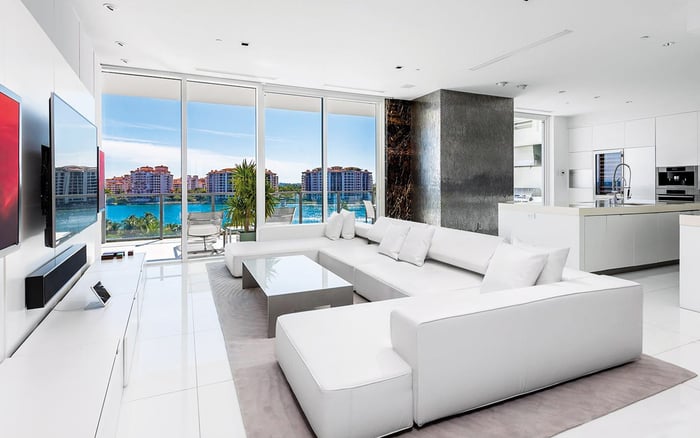
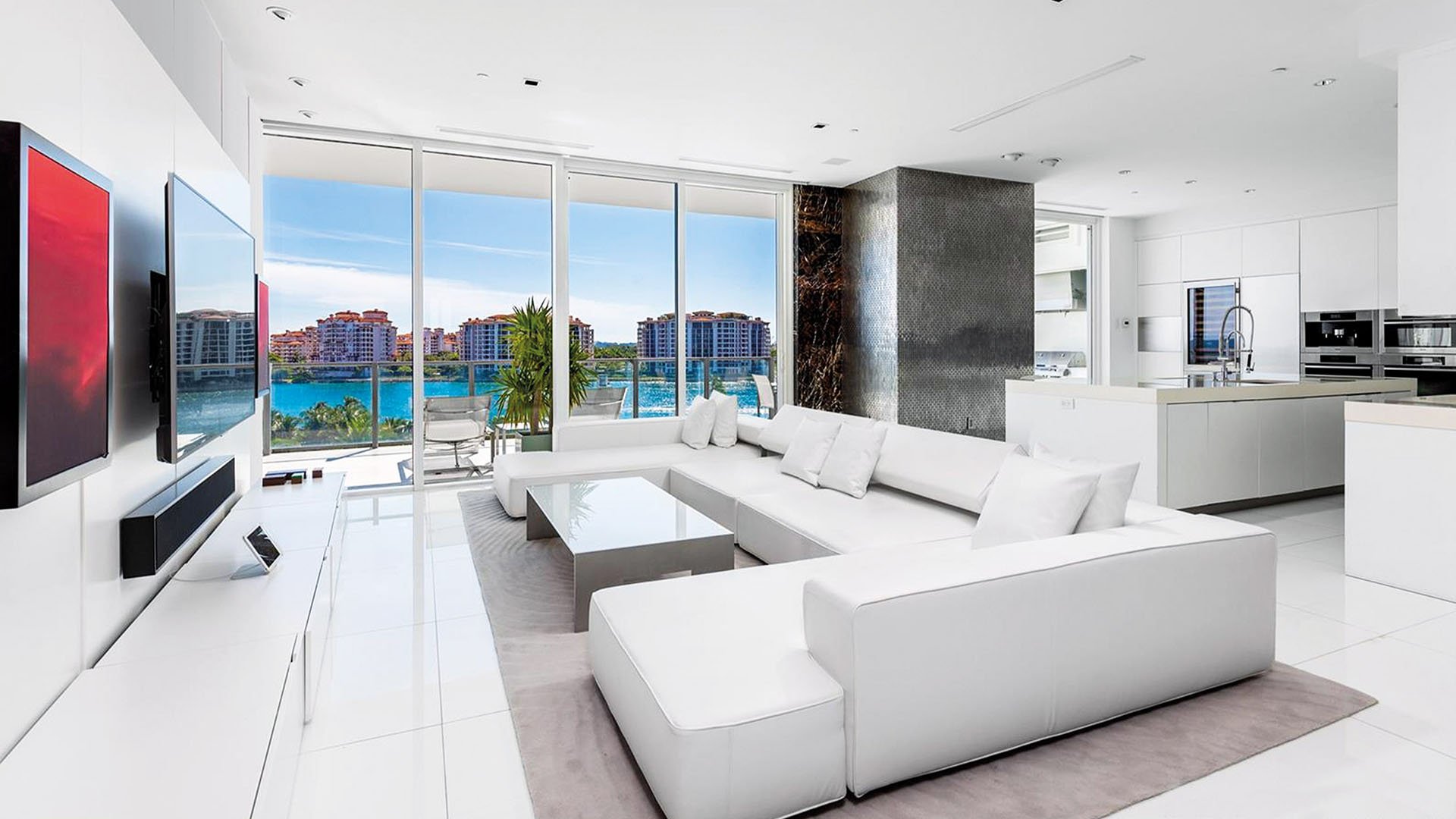
Apogee’s livability begins with what might be called its hardware. Large-format residences, a limited unit count, private elevator foyers, and generous balconies all point to a residential experience that feels more composed than hotel-like. These are not minor design preferences. They shape how people move through the building, how often they encounter unfamiliar traffic, and how private the home feels after the front door closes.
Private elevator foyers are especially important for buyers who dislike arriving to a corridor shared by constant turnover. They create a more gracious threshold between public and private space, reinforcing the sense that each residence is a home rather than a luxury room in a vertical resort. Generous outdoor space adds another layer of daily usability, giving owners room to live outside without treating the balcony as an occasional amenity.
Limited scale also matters. Fewer residences can support a more familiar and controlled environment, particularly when ownership expectations align around residential use. A smaller building is not automatically quieter or better managed, but it can make norms easier to understand, observe, and reinforce. For full-time buyers, that is part of the value proposition.
The more subtle side of Apogee’s appeal is cultural. A building’s software includes board posture, rental rules, staffing style, guest expectations, noise tolerance, and the degree to which rules are enforced in practice. These factors may not photograph well, but they often determine whether a condominium feels peaceful in February, manageable during holidays, and civilized on a Saturday night.
Apogee is positioned as having controlled rental flexibility rather than a purely transient posture. That distinction is critical. Flexibility can be useful for owners, but a building dominated by short-stay behavior can undermine the residential character that full-time users value. Long-term-rentals considerations should therefore be read through the lens of culture, not only potential yield.
Service style is another indicator. Apogee’s service culture is best understood as understated and professional, supporting privacy rather than spectacle. For buyers coming from single-family homes, private clubs, or established co-ops, that quieter service mentality can feel more intuitive than the high-visibility hospitality model found in some resort-like properties.
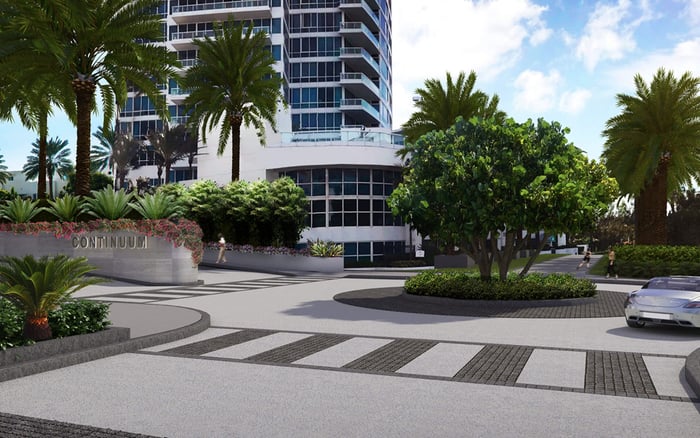
A buyer evaluating South Beach or nearby Miami Beach inventory may naturally compare Apogee with other recognized addresses, including Continuum on South Beach, Five Park Miami Beach, or The Ritz-Carlton Residences® South Beach. Those comparisons can be useful, but the question should not be reduced to which building is newer, taller, or more branded.
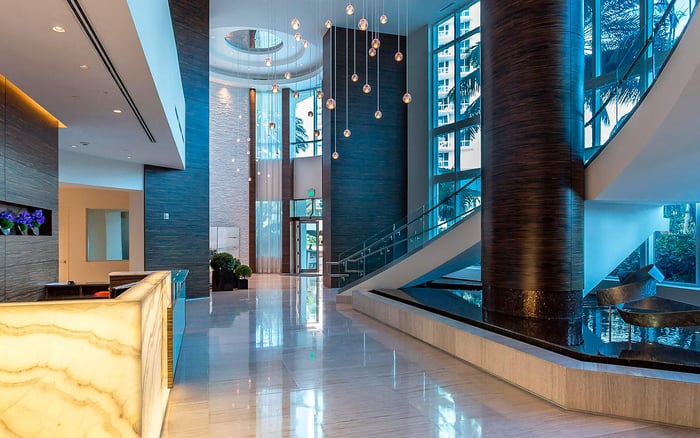
For end-users, the stronger question is whether the building’s day-to-day culture fits the way they actually live. Does the elevator experience feel private? Are common areas used like residential extensions rather than entertainment venues? Is there a predictable rhythm among residents and guests? Do staff members support a composed atmosphere without making the building feel performative?
Apogee’s relevance lies in this buyer psychology. It speaks to the person who wants South Beach access without surrendering to South Beach volatility. It suits the owner who values privacy, generous interior and exterior space, and a building where the social contract feels more residential than transient.
Apogee is not a universal answer, and that is precisely why it is interesting. It is strongest for buyers who prioritize daily livability over the newest visual statement. The right buyer is likely to care about how a building behaves in real life: who uses it, how frequently units turn over, how guests are managed, and whether the atmosphere remains composed during peak periods.
Primary residents should study informal norms as carefully as finishes. Serious second-home owners should do the same, especially if they intend to arrive often and live normally rather than treat the apartment as a vacation suite. A beautiful residence can lose its appeal if the building around it feels unpredictable.
For those comparing Apogee with quieter oceanfront options such as The Perigon Miami Beach, the decision becomes even more nuanced. The point is not to crown one lifestyle superior to another. It is to identify whether the buyer wants a South of Fifth address with a controlled, owner-oriented residential feel.
Buyers should ask practical questions before moving from interest to conviction. How does the building feel at different times of day? Is the lobby calm or constantly activated? Do residents appear to know the staff and one another? Are rules communicated clearly? Does the balcony space genuinely support daily use, or does it function mostly as a view platform?
The best luxury due diligence is sensory as well as financial. Walk the arrival sequence. Listen in the elevator. Observe how guests are handled. Consider whether the building’s physical format, from private foyers to outdoor living space, supports the rhythm you want to keep.
For the right buyer, Apogee’s value is not merely in its address or finishes. It is in the way its design and culture appear to reinforce one another. In a market crowded with dramatic architecture and branded promises, that quieter coherence may be exactly what makes a building livable for years, not just impressive for a showing.
Why is Apogee South Beach relevant for full-time buyers? It is framed around privacy, limited scale, large-format residences, and residential norms that support daily living rather than a purely resort-style atmosphere.
Is Apogee only for primary residents? No. It can also suit serious second-home owners who want the residence to function like a true home when they are in Miami Beach.
What makes building culture so important in South Beach? South Beach blends tourism, seasonal use, and year-round residential life, so governance and resident expectations can strongly shape the daily experience.
How do private elevator foyers affect livability? They create a more private arrival sequence and help the residence feel separate from the shared life of the building.
Why does limited scale matter? Fewer residences can support a more familiar, controlled, and owner-oriented atmosphere when the building’s norms are aligned.
Are balconies part of the full-time living equation? Yes. Generous outdoor space can make the home more usable day after day, especially for buyers who value private open-air living.
Should buyers focus more on amenities or rules? Both matter, but rules, enforcement, guest behavior, and occupancy patterns often determine whether a luxury building feels calm in practice.
Does rental flexibility weaken the residential feel? Not necessarily. The key distinction is whether flexibility is controlled in a way that protects the building’s residential character.
Who is the ideal Apogee buyer? The ideal buyer values privacy, predictable service, generous residence formats, and a culture that feels more like a home than a hotel.
What should buyers observe during a visit? They should watch the arrival experience, lobby rhythm, staff interaction, elevator privacy, guest flow, and overall noise level.
When you're ready to tour or underwrite the options, connect with MILLION.
If branded residences are on your mind — as a home or as an allocation — we would be glad to share what we are seeing, privately.
Begin a quiet conversation