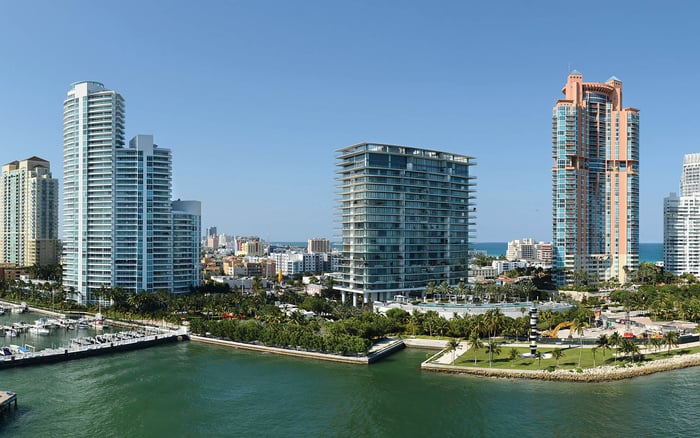
A discreet buyer’s guide to evaluating Apogee South Beach through the lens of recovery-room privacy, including arrival control, service access, terrace discretion, sightlines, and resale positioning.
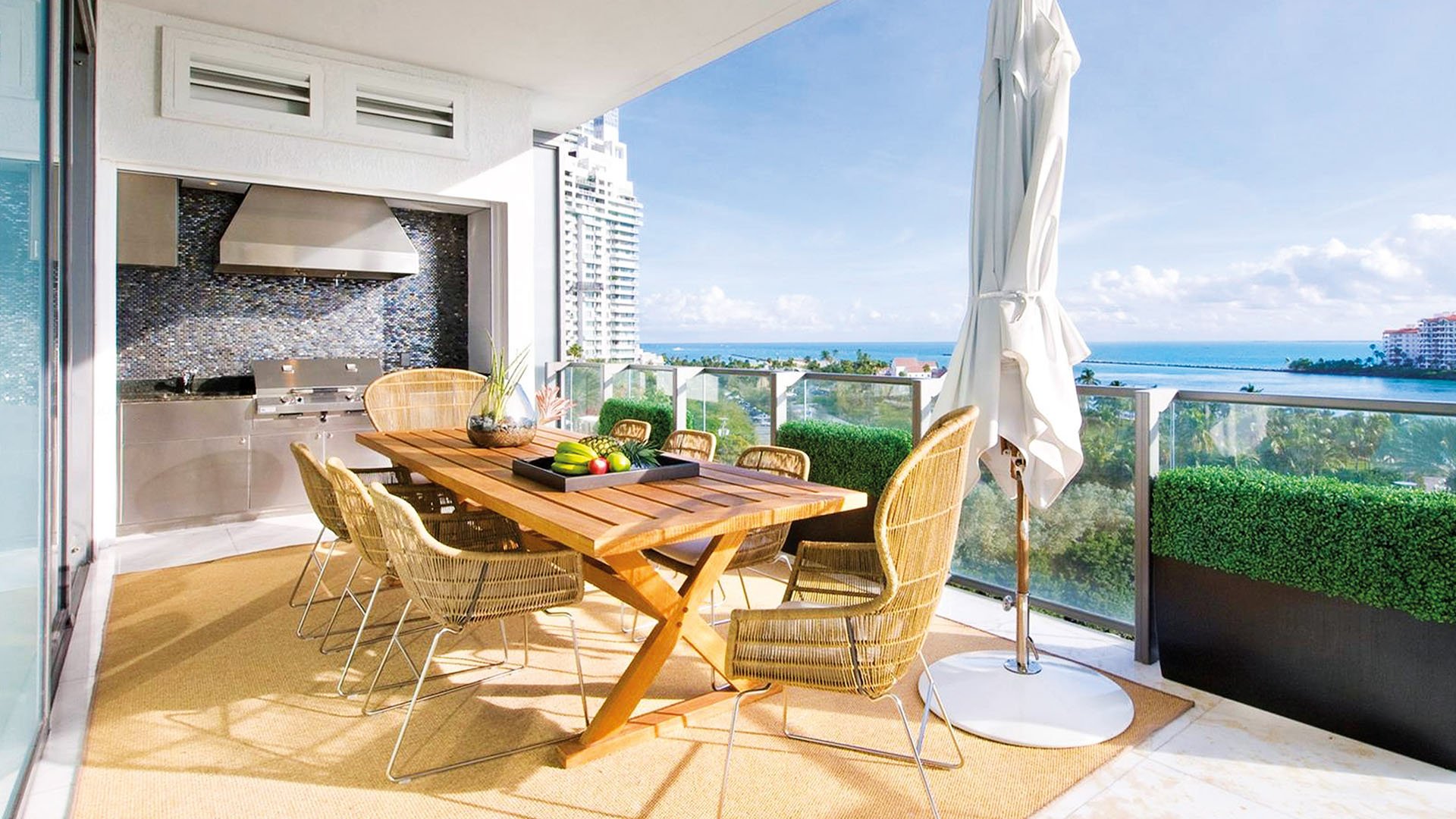
Apogee South Beach belongs to a South Florida luxury conversation where privacy can matter as much as finishes, views, and amenities. For some buyers, the central question is not simply whether a residence feels impressive. It is whether the home can support rest, discretion, and controlled movement during a sensitive period.
In this article, “recovery-room privacy” is a due-diligence lens, not a formal medical-use designation. Buyers should not assume that any condominium residence is equipped, approved, or managed for medical recovery without separate verification. The practical task is to evaluate the physical plan, the arrival sequence, the service rhythm, and the resale narrative with unusual care.
That distinction is important. A residence may feel private during a showing yet function differently when caregivers, deliveries, guests, staff, and household routines are added. The strongest evaluation looks beyond presentation and asks how daily life would actually unfold.
Privacy begins before the front door. A buyer should trace the entire route from car arrival to the residence and note every point where visibility, conversation, or coordination is required. The goal is not to eliminate normal building procedures. The goal is to understand them clearly before relying on them.
Key questions include how arrivals are handled, whether guests and staff are announced, where vendors wait, how deliveries are directed, and whether the resident can move from arrival to residence without unnecessary exposure. These questions should be asked directly and confirmed through the appropriate building materials or management channels.
Private or semi-private transition areas, where available, may be especially valuable because they create a buffer between the shared building environment and the home. In a recovery-room privacy framework, that buffer can matter more than a dramatic amenity because it affects the most sensitive moments of daily movement.
A residence that photographs beautifully may still be difficult to manage privately. Buyers should study how people move inside the home: from entry to bedroom, from service access to kitchen, from guest areas to private suites, and from living spaces to outdoor areas.
The most useful layouts create options. A quiet room can remain separated from entertaining areas. Staff may be able to perform tasks without crossing every private zone. A caregiver, family member, or guest may have a logical place to be without interrupting the person who needs rest.
This is not about turning a residence into a clinic. It is about confirming whether the home’s proportions, room relationships, and circulation patterns can support calm daily living. If temporary equipment, special deliveries, private chefs, nurses, or wellness providers are contemplated, buyers should verify permissions and logistics in advance.
Outdoor space can be meaningful for privacy because it may allow light, air, and a change of setting without relying on shared amenity areas. Still, a terrace should be evaluated carefully rather than assumed to be discreet.
Buyers should consider which rooms open to the terrace, how furniture placement affects visibility, and whether nearby sightlines make certain seating areas feel exposed. Daytime privacy and nighttime privacy can differ significantly, especially when interior lights make rooms easier to read from outside.
The same logic applies inside the residence. Large windows, open rooms, and dramatic view corridors can be powerful advantages, but they should be tested from the perspective of daily life. Privacy is strongest when beauty and control work together.
Discretion depends on procedures. Before relying on any residence for a sensitive recovery period, buyers should understand how the building handles staff registration, deliveries, service access, guest entry, after-hours coordination, and vendor movement.
These procedures should not be treated as minor details. They determine whether a private plan can be executed calmly or whether every task becomes a negotiation. A buyer should ask who must be approved, how long approvals take, which access points are used, and how exceptions are handled.
The right answer is not necessarily the most permissive one. Many luxury buyers value clear rules because clear rules reduce uncertainty. The key is alignment between the owner’s intended use and the building’s documented procedures.
A privacy-oriented purchase should also be tested for resale. Future buyers may not use the residence for the same reason, but they can still understand the value of controlled arrivals, efficient service flow, outdoor discretion, and strong separation between public and private zones.
The resale narrative should remain architectural and operational, not medical. Sellers should avoid unsupported claims about recovery use and instead emphasize features that can be observed, verified, and appreciated by a broad luxury audience.
This restraint can strengthen positioning. In South Florida’s luxury market, privacy is most persuasive when it is presented as a durable living advantage rather than a narrow promise.
A careful Apogee South Beach evaluation should include multiple layers of review. Walk the arrival sequence. Study the residence plan. Ask how staff and deliveries are managed. Look at terrace exposure during different conditions if possible. Confirm what is permitted before assuming that a private-care plan can be implemented.
Buyers should also involve the right advisors. Legal review, building-document review, property management clarification, and professional guidance may all be appropriate depending on the intended use. The more sensitive the plan, the more important it is to confirm details before closing.
The final question is simple: does the residence make privacy easier in ordinary life, or does it require constant choreography? The strongest answer will be visible in the way the home, building procedures, and service rhythm work together.
Is Apogee South Beach a medical recovery building? No. Recovery-room privacy is used here as a due-diligence lens, not as a formal medical-use designation.
What should a buyer evaluate first? Start with the route from arrival to residence, because privacy can be compromised before the front door is reached.
Why do service procedures matter? Staff registration, deliveries, guest entry, and after-hours access determine whether a discreet plan can function smoothly.
Should private care be assumed to be permitted? No. Buyers should verify any intended care, staffing, or delivery arrangements through the proper building and professional channels.
How can a floor plan support privacy? A strong plan separates quiet rooms, guest areas, service movement, and primary living spaces in a way that reduces overlap.
Are terraces always private? No. Terraces should be reviewed for sightlines, lighting, neighboring views, and how they connect to interior rooms.
Why is nighttime visibility important? Interior lighting can make rooms more visible from outside, so privacy should be considered beyond daytime showings.
How should resale be framed? Resale should focus on observable privacy advantages such as arrival control, service flow, outdoor discretion, and layout quality.
Can recovery-room privacy appeal to non-recovery buyers? Yes. The same privacy features may also appeal to buyers seeking discretion, security, staff control, or a quieter second-home experience.
What is the most important buyer question? Ask whether the residence makes privacy feel natural in daily life or whether it depends on constant coordination.
If you'd like a private walkthrough and a curated shortlist, connect with MILLION.
If branded residences are on your mind — as a home or as an allocation — we would be glad to share what we are seeing, privately.
Begin a quiet conversation