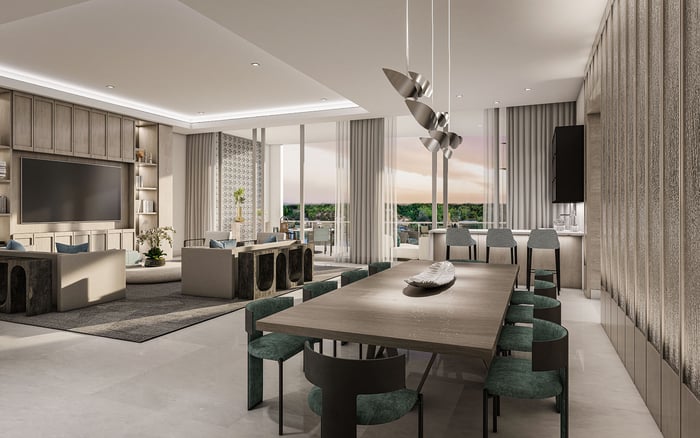
For buyers evaluating The Berkeley Palm Beach, the practical value of reservable amenity space depends on verified access rules, scheduling procedures, guest policies, costs and private-event requirements.
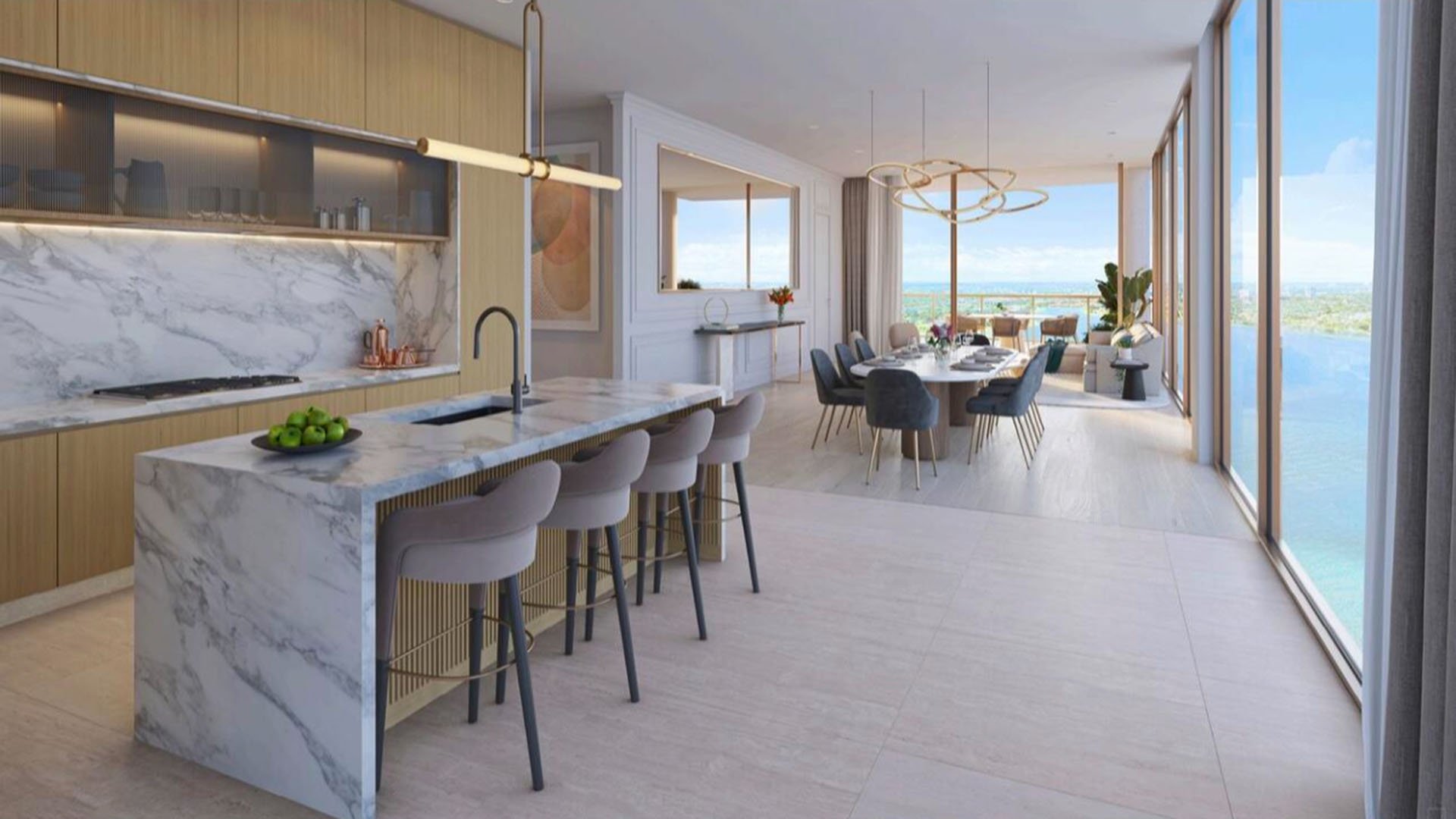
For buyers who entertain, the value of a shared space depends on more than its appearance. Availability, capacity, privacy and the applicable operating rules can determine whether the space suits the owner's plans. When evaluating The Berkeley Palm Beach, buyers should verify these details in the current governing and reservation materials.
The essential question is not simply whether an amenity is presented as part of the residential experience. It is whether owners may use or reserve it in a way that supports their preferred dinners, receptions or family gatherings.
Buyers should distinguish between ordinary resident access and permission to reserve a space for a private function. General access does not by itself establish exclusivity, outside-guest privileges or catering rights.
Before assigning private-event value to a shared space, determine whether reservations are permitted, which areas are included and whether other residents retain access during a function. Buyers should obtain written answers rather than infer operating rights from design or presentation materials.
If a reservation calendar is available, review it alongside the applicable procedures. Ask how far in advance requests may be submitted, whether any dates are restricted and how competing requests are resolved.
Buyers should also establish whether access is first-come, first-served, subject to approval or governed by another process. Recurring requests, tentative holds and peak-period procedures should be verified directly in the current materials.
The same review can be applied when considering Forté on Flagler West Palm Beach or Mr. C Residences West Palm Beach. The objective is to understand how each property's documented procedures translate shared space into practical access.
A buyer should not assume that a reservation fee represents the complete cost of an event. Ask whether deposits, insurance, security, valet, staffing, approved vendors or cleanup obligations apply.
Guest limits, operating hours, parking procedures and vendor access also merit review. These terms can affect whether a proposed gathering is workable, even when the space itself appears suitable.
Request the current fee schedule and identify which charges, if any, are refundable. Confirm how cancellations, weather-related changes and management decisions are addressed under the applicable policy.
Due diligence should begin with the owner's actual habits. Frequency, event size, preferred hours, guest composition and service expectations can help define which questions matter most.
Create two or three representative scenarios, such as a small dinner and a larger catered gathering. Ask the appropriate building representative to explain the application, approval, arrival, staffing and cleanup process for each scenario. This exercise can reveal deadlines, responsibilities and restrictions that a general amenity description may not address.
Buyers considering The Ritz-Carlton Residences® West Palm Beach can use the same scenario-based review. Conclusions should be based on the current documents and written responses for the property being evaluated.
Before purchasing, request the current association rules, reservation agreement, application procedure, calendar, fee schedule and cancellation policy that apply to the relevant space. The declaration and bylaws may also address association authority, owner responsibilities and enforcement.
Ask whether operating rules or fees can be amended after closing, who has authority to approve changes and how owners receive notice. Current terms and the process for changing them are both relevant to a long-term ownership decision.
At The Berkeley, buyers who expect to entertain should determine whether the documented framework aligns with their preferred frequency, scale, hours and level of service. The answer should come from current written materials rather than assumptions.
Before closing, obtain the latest applicable documents and clarify unresolved points in writing. A suitable framework should give the buyer a clear understanding of access, responsibilities, approvals and potential costs.
Does ordinary amenity access mean a space can be privately reserved? Not necessarily. Buyers should verify whether private reservations are permitted and whether other residents retain access during an event.
Why should buyers review the reservation calendar? A current calendar can help buyers understand availability and plan questions about lead times, restricted dates and competing requests.
What reservation materials should a buyer request? Request the current application procedure, reservation agreement, calendar, fee schedule and cancellation policy.
How might competing reservation requests be handled? The process could depend on the applicable rules or approval procedure. Buyers should verify the current method in writing.
Should holiday availability be assumed? No. Buyers should ask whether holidays or other peak periods are subject to restrictions or separate procedures.
What potential event costs should be investigated? Ask about fees, deposits, insurance, security, valet, staffing, vendor and cleanup requirements.
Why do guest and parking rules matter? They can affect whether the intended event size and arrival plan are practical.
Should a buyer test a hypothetical event with management? Yes. A representative scenario can clarify approvals, deadlines, staffing and owner responsibilities.
Can amenity rules change after purchase? Buyers should ask whether changes are permitted, who approves them and how owners are notified.
What is the most important final question for a buyer who entertains? Ask whether the current written rules support the buyer's expected event frequency, scale, hours and service needs.
When you're ready to tour or underwrite the options, connect with MILLION.
If branded residences are on your mind — as a home or as an allocation — we would be glad to share what we are seeing, privately.
Begin a quiet conversation