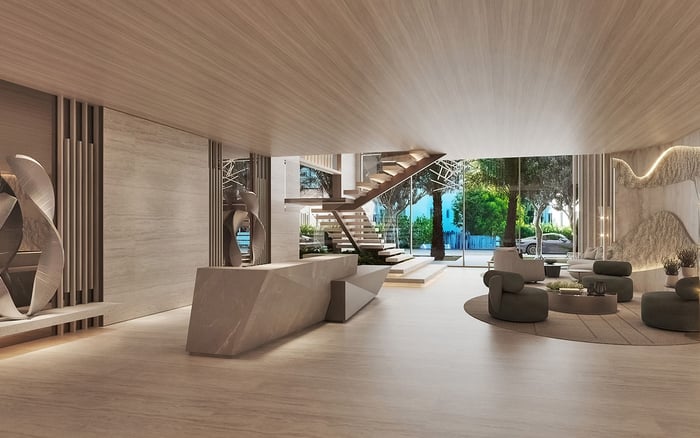
A guest-ready Miami Beach residence depends on more than bedroom count. Buyers should assess building rules, arrival flow, privacy, service, layout, outdoor space, and the practical demands of hosting before selecting a home.
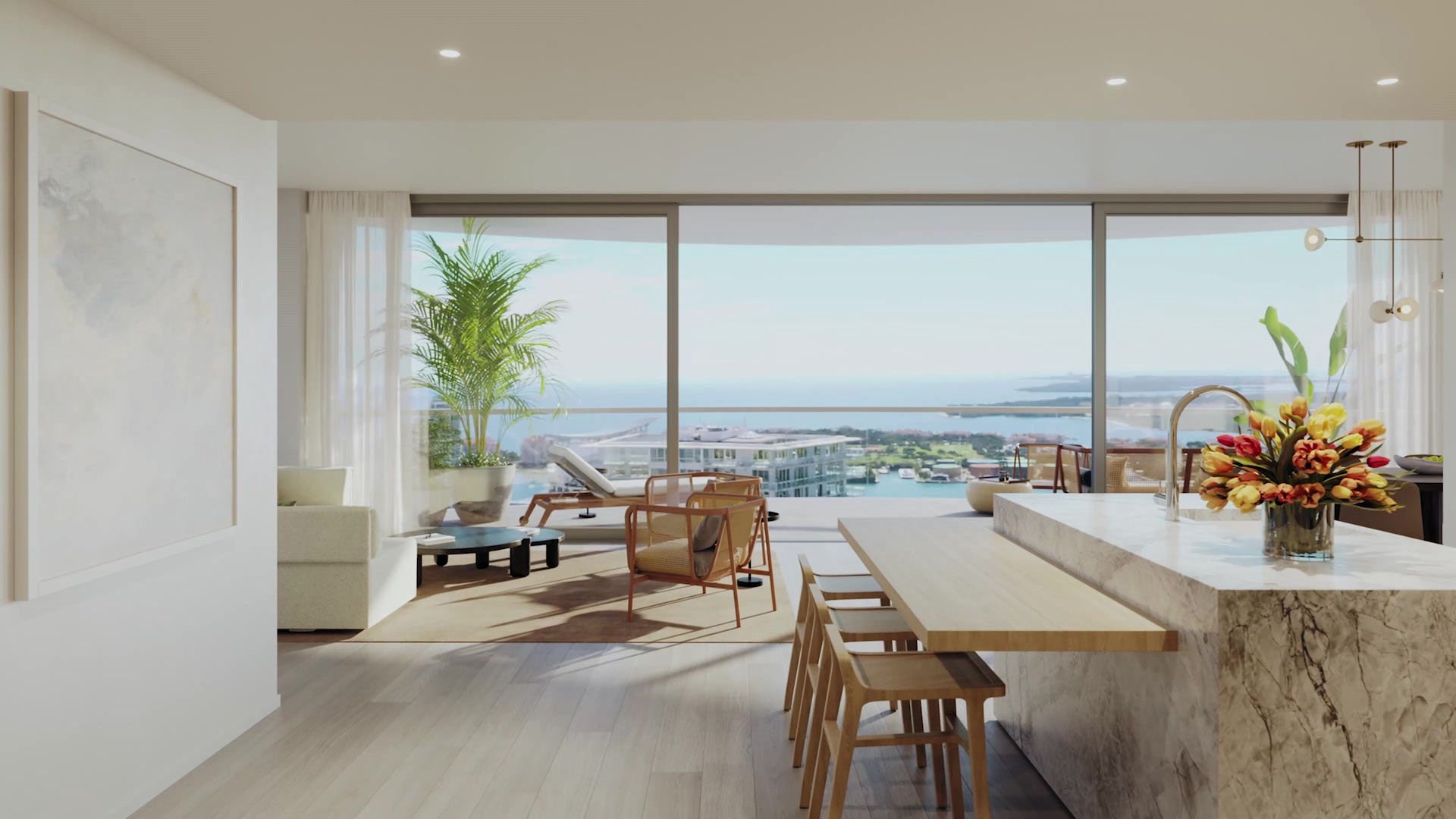
For buyers who entertain frequently, a Miami Beach residence serves as both a private retreat and the setting for each guest’s experience. Bedroom count matters, but it is only the first consideration. More consequential questions include how guests arrive, where they gather, how comfortably they stay, and whether the building’s rules support the owner’s intended use.
This buyer’s guide perspective is especially relevant to a second-home purchase, where visitors may arrive while the owner is traveling or stay for extended periods. Before selecting a residence, buyers should review governing documents, current policies, and approval procedures with qualified advisers. Guest registration, access credentials, parking, deliveries, staff entry, occupancy, leasing, and pets can all affect how naturally a home functions.
A building may appear effortless during a tour yet demand considerable coordination when several guests arrive at once. The right choice reduces those points of friction without compromising security or residential calm.
A buyer who plans intimate dinners needs a different residence from one intended to accommodate family for a week. Begin with a realistic hosting profile: typical party size, frequency of overnight stays, visitors’ age range, service expectations, and whether guests will bring cars, staff, children, or animals.
Occasional entertaining may favor a dramatic living room and an expansive terrace. Longer visits place greater weight on bedroom separation, closet capacity, en suite baths, laundry access, sound control, and a kitchen that remains functional beyond catered evenings. If guests will work remotely, a flexible den or quiet secondary room may prove more useful than a formal space that photographs beautifully but lacks privacy.
Buyers should also distinguish social hosting from paid occupancy. A residence suitable for friends and family is not automatically suitable for short-term rentals. Any rental strategy requires separate legal, building, tax, insurance, and operational review before purchase.
The most persuasive guest-ready layouts establish a clear progression from entry to entertaining space, outdoor area, powder room, and private accommodations. Ideally, visitors can circulate without passing through the owner’s bedroom zone or encountering household storage and service functions.
Examine the entry itself. Is there enough room for several people to arrive comfortably? Can luggage be handled without obstructing circulation? Is the powder room discreetly positioned? In the kitchen, consider whether preparation can continue while guests gather nearby. A generous island may support casual hospitality, while a separate service path can help formal entertaining feel composed.
Bedroom equality also warrants scrutiny. A nominal guest room may offer limited storage, an exposed bath, or excessive proximity to the living room. For buyers expecting repeat visitors, secondary suites should feel intentional rather than residual.
Location shapes the rhythm of every visit. An oceanfront setting may prioritize beach days, views, and a resort-like sense of arrival, while a quieter residential position may offer a more private cadence. Waterfront living can be highly appealing, but buyers should assess access and daily logistics rather than rely on the view alone.
Several Miami Beach residences provide useful points of comparison. Buyers drawn to oceanfront living can examine 57 Ocean Miami Beach and The Perigon Miami Beach through the specific lens of guest circulation, residence configuration, and building procedures. Those considering South Beach can similarly compare Five Park Miami Beach with Shore Club Private Collections Miami Beach.
These residences are not substitutes for document review or an in-person assessment. They are starting points for determining how different addresses, building formats, and floor plans may align with a buyer’s preferred style of entertaining.
A guest’s experience begins well before the residence door. During a showing, retrace the complete arrival sequence, from vehicle drop-off or parking through the lobby, elevator, corridor, and entry. Ask how visitors are announced, how access is issued, and what happens when multiple parties arrive at once.
Evaluate service with equal care. Confirm how groceries, flowers, catering equipment, luggage, and personal staff move through the property. Ask where temporary items can be staged and whether building procedures impose lead times. A polished entertaining plan can unravel when deliveries have nowhere to wait or service access conflicts with guest circulation.
Privacy is equally practical. Note sightlines from the elevator and neighboring residences, acoustics near social rooms, window exposure, and the separation between the primary suite and guest accommodations. For a lock-and-leave owner, clarify who may enter the home in the owner’s absence and how that authorization is documented.
Frequent hosting increases wear, utilities, housekeeping, linen turnover, climate-control demands, and the need for organized storage. Buyers should budget for the residence as it will actually be used, not simply as it appears when vacant. Upholstery, flooring, outdoor finishes, and technology should be chosen for elegant durability.
Insurance warrants specific attention when the intended use includes regular visitors, household staff, events, valuable collections, or any form of rental. Coverage questions should be addressed directly with qualified professionals. The same applies to tax, legal, and association matters.
Finally, tour at more than one time of day when possible. Daylight reveals exposure and glare; evening highlights lighting, acoustics, access, and neighborhood energy. The best residence for hosting is not necessarily the largest. It is the one in which rules, architecture, service, and ownership habits work together with minimal improvisation.
Before committing, buyers should obtain and review the relevant condominium or association materials, confirm current guest and occupancy procedures, and understand all approval requirements. Floor plans and marketing materials should be reconciled with the physical residence. Storage, parking, elevator access, outdoor use, and staff logistics should be tested against realistic scenarios.
It is also prudent to price any desired modifications before the offer becomes unconditional. A terrace may need furnishings and weather-conscious materials; a media room may require acoustic treatment; a guest suite may need built-ins or improved lighting. Building restrictions can determine what is feasible, when work may occur, and how contractors gain access.
The objective is simple: choose a residence that remains gracious when fully occupied. Thoughtful due diligence preserves spontaneity later.
Should guest-hosting buyers prioritize bedroom count? Bedroom count is important, but privacy, bath access, storage, acoustics, and circulation often determine whether guests are truly comfortable.
Are social guests and rental occupants treated the same way? Not necessarily. Buyers should separately verify building rules and legal requirements for personal guests, long-term occupancy, and rentals.
What building documents deserve close review? Review governing documents, current rules, application procedures, and policies affecting access, parking, deliveries, occupancy, renovations, and leasing.
Why does elevator configuration matter? Elevator access shapes privacy, arrival flow, luggage handling, and the movement of catering or household staff.
Is a large terrace always better for entertaining? Not by itself. Exposure, interior access, furniture planning, maintenance, and applicable building rules all affect usability.
What makes a guest suite feel intentional? Effective separation, convenient bath access, useful storage, controlled light, and acoustic privacy make a secondary room feel considered.
How should buyers assess parking for visitors? Confirm current guest-parking procedures, capacity, access, fees, and alternatives during due diligence.
Should a buyer plan for staff access? Yes, if housekeeping, childcare, catering, or property management will be routine. Verify authorization and service-entry procedures in advance.
Can a residence be suitable for both hosting and renting? Potentially, but the two uses involve different rules and risks. Obtain legal, tax, insurance, and association guidance before relying on rental income.
What is the best final test before making an offer? Walk through a realistic guest stay, from arrival and luggage to meals, sleep, departure, and the cleanup that follows.
When you're ready to tour or underwrite the options, connect with MILLION.
If branded residences are on your mind — as a home or as an allocation — we would be glad to share what we are seeing, privately.
Begin a quiet conversation