A buyer-focused guide to Alma Bay Harbor Islands for affluent owners moving from large waterfront estates toward a boutique, managed, design-driven coastal lifestyle.
For certain South Florida owners, the next residence is no longer about acquiring more frontage, more rooms, or more land. It is about editing. The shift from a waterfront estate to a boutique condominium can be a luxury decision in its own right, especially when the goal is to preserve privacy, design quality, and coastal prestige while reducing the operational weight of a large home.
That is the lifestyle proposition behind Alma Bay Harbor Islands. In Bay Harbor Islands, Alma is positioned for affluent buyers who still want a refined South Florida address, but no longer want daily life organized around estate-scale maintenance. The idea is direct: less property to manage, not less luxury.
For owners leaving Indian Creek, Golden Beach, or other estate-oriented enclaves, that distinction matters. A smaller residential footprint does not automatically mean a smaller life. It can mean fewer decisions about vendors, systems, staffing, storm preparation, and exterior upkeep. It can also mean more time spent using the residence, rather than managing it.
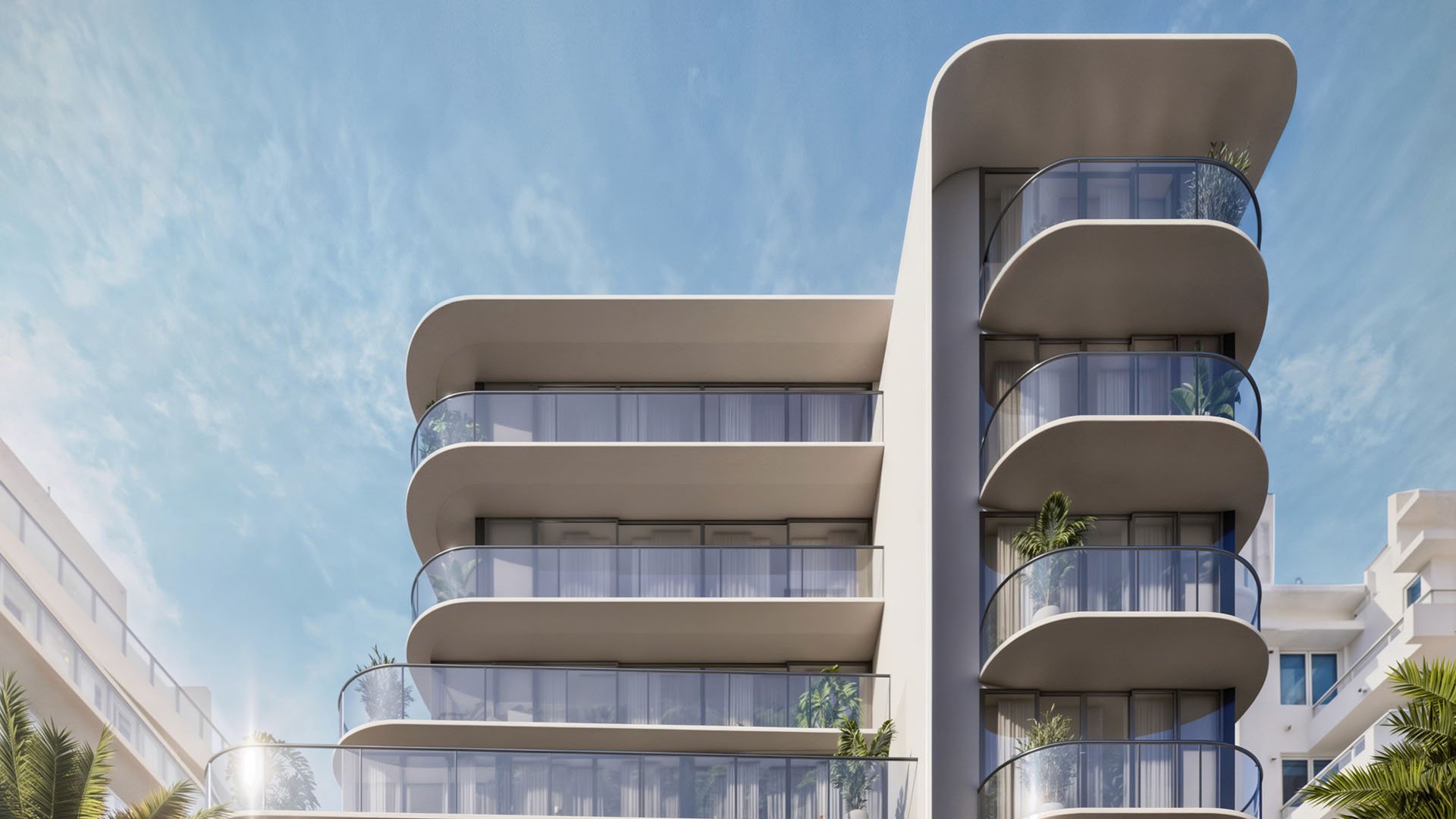
Boutique scale is central to Alma’s appeal. For buyers accustomed to the privacy of a private home, moving into a large high-rise can feel like too abrupt a change. A more intimate condominium environment can offer a softer landing, with a greater sense of control, discretion, and residential calm.
This is where boutique living becomes more than a marketing phrase. It points to a building experience in which arrival, circulation, shared spaces, and daily service feel more curated. The goal is not to replicate the sprawl of an estate. The goal is to preserve the parts of estate living that matter most: privacy, comfort, order, and a sense of separation from Miami’s busiest areas.
Alma’s positioning fits a buyer who wants design-driven living without the constant oversight that comes with a large waterfront property. Instead of coordinating every layer of upkeep individually, the owner steps into a managed residential environment where building systems, common areas, amenities, and storm-readiness responsibilities are internalized by the condominium structure.
Waterfront estates remain one of South Florida’s defining luxury categories. They offer space, control, and a direct relationship with the water. They also require attention. Exterior maintenance, mechanical systems, staffing, landscape care, shared family logistics, and weather planning can all become part of the ownership experience.
For some owners, that complexity is part of the pleasure. For others, especially those entering a more travel-oriented or seasonal chapter, the equation changes. A condominium like Alma offers a way to stay within the coastal luxury corridor while reducing the number of moving parts at home.
That is particularly relevant for second-home buyers and snowbirds. When a residence is not occupied every day of the year, the appeal of a managed setting becomes stronger. The buyer wants to arrive, settle in, entertain selectively, and leave with confidence. The residence should support the lifestyle, not become a separate operating company.
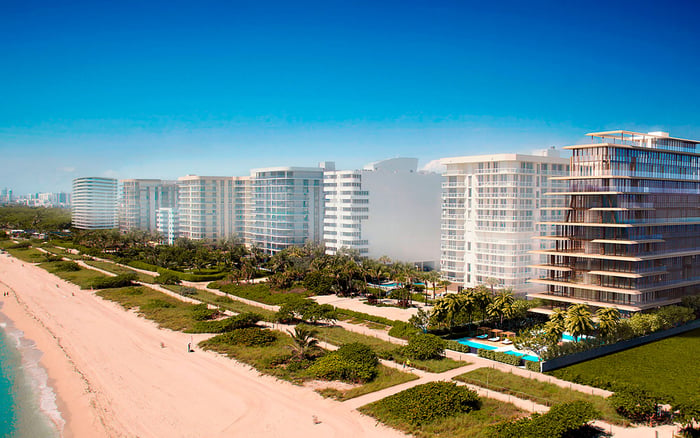
Bay Harbor Islands is a critical part of the story. The setting places Alma within a quieter coastal enclave near Bal Harbour and Surfside, close to high-end retail, dining, beaches, and bayfront surroundings, yet distinct from the more kinetic rhythm of Miami Beach’s busiest resort districts.
For buyers leaving a gated estate or a private waterfront home, neighborhood feel is often as important as the building itself. Bay Harbor Islands offers a more intimate daily cadence within Miami’s luxury coastal corridor. The move can feel less like a departure from prestige and more like a recalibration toward walkability, services, and neighborhood ease.
The broader Bay Harbor Islands residential landscape reinforces that appeal. Nearby boutique and bay-oriented projects such as Alana Bay Harbor Islands, Onda Bay Harbor, and La Maré Bay Harbor Islands show how the area has become a meaningful alternative for buyers who want coastal proximity without defaulting to a tower-heavy oceanfront setting.
Alma’s role within that context is especially clear for buyers who prize calm over spectacle. The address is not about abandoning the privileges of South Florida luxury. It is about choosing a more intentional version of them.
The likely Alma buyer is not defined by age alone. The profile includes downsizing estate owners, seasonal residents, snowbirds, and affluent households that prioritize convenience over acreage. Many have already owned significant property and understand exactly what large-home ownership requires.
These buyers are often highly specific. They may still want space for family visits, quiet mornings, dinners nearby, and proximity to the water. They may also want fewer obligations between visits, fewer staff dependencies, and a residence that feels composed when they return after weeks away.
That is why comparisons to estate ownership should focus on function rather than status. Alma is not a consolation prize for someone leaving a larger home. It is a tool for living differently. The luxury is in the edit: fewer excess rooms, fewer maintenance decisions, more intentional spaces, and a location that keeps Bal Harbour, Surfside, beaches, dining, and bayfront surroundings within the owner’s regular orbit.
A buyer considering Alma should begin with the real reason for the move. If the objective is to replace an estate with another maximal expression of scale, the transition may feel incomplete. If the objective is to simplify while maintaining privacy and coastal access, the fit becomes more compelling.
The right questions are practical. How does the building’s boutique scale affect daily privacy? How does the service model reduce ownership friction? How do shared amenities replace the private-home features that were actually used, rather than those that were simply maintained? How does the residence support seasonal living, lock-and-leave confidence, and entertaining without estate-level staffing?
It is also useful to view Alma within the neighborhood’s larger design conversation. Projects such as The Well Bay Harbor Islands speak to the growing interest in residential environments shaped around wellness, service, and curated daily routines. Alma’s appeal is tied to a similar buyer psychology: a preference for intention over excess.
For the right owner, the move from a waterfront estate to Alma is not about giving something up. It is about deciding which parts of luxury still serve the life being lived now.
Is Alma Bay Harbor Islands intended for buyers leaving large waterfront estates? Alma is positioned as a boutique luxury condominium option for affluent buyers who want South Florida prestige with less estate-scale maintenance.
Does moving to Alma mean downsizing luxury? Not necessarily. The stronger idea is less property to manage, not less luxury, with privacy, service, and curated spaces replacing operational burden.
Why would an estate owner consider Bay Harbor Islands? Bay Harbor Islands offers a quieter coastal setting near Bal Harbour and Surfside, with access to retail, dining, beaches, and bayfront surroundings.
How does boutique scale matter for former estate owners? Boutique scale can feel more private and controlled than a large high-rise environment, which may ease the transition from a private home.
Who is the likely buyer for Alma? The buyer may be a downsizing estate owner, second-home resident, snowbird, or affluent household prioritizing convenience over acreage.
What lifestyle trade-off defines the move? The trade-off is moving from personally managed estate responsibilities to a more managed, design-driven condominium environment.
Is Alma primarily about location or building experience? It is both. Alma’s Bay Harbor Islands setting supports a calmer daily rhythm, while the boutique format supports a more intentional residential experience.
Can Alma work for seasonal owners? Yes, the managed condominium structure can appeal to owners who travel often and want a residence that is easier to leave and return to.
How should buyers compare Alma with a private waterfront home? Buyers should compare the parts of estate living they actually use against the time, staffing, maintenance, and planning the estate requires.
What is the main lifestyle message for Alma? Alma is best understood as a move toward intentional living, where convenience, privacy, and service replace the burden of maintaining a large estate.
For a confidential assessment and a building-by-building shortlist, connect with MILLION.
If branded residences are on your mind — as a home or as an allocation — we would be glad to share what we are seeing, privately.
Begin a quiet conversation