A discreet buyer’s guide to evaluating construction-noise exposure in Surfside before committing to a luxury condominium, oceanfront residence, or resale purchase.
Surfside is prized for a rare combination: oceanfront calm, walkable village scale, proximity to Bal Harbour, and a residential rhythm that feels more private than many larger South Florida markets. That discretion is precisely why construction-noise exposure deserves careful attention before a luxury purchase. A residence may be architecturally exceptional, beautifully serviced, and superbly located, yet still require a clearer understanding of what is happening next door, across the street, above the lobby, or along the beach corridor.
Noise diligence is not about alarm. It is about aligning the property with the buyer’s actual life. A seasonal owner visiting on winter weekends may have a different tolerance than a full-time resident who works from home. A family with young children may ask different questions than an investor focused on resale positioning. In the language of buyer’s guides, construction noise is among the least glamorous topics, but also among the most practical.
The right approach is to examine the present condition, the near-term pipeline, and the building’s own ability to buffer disturbance. For buyers considering addresses such as The Delmore Surfside or comparing established Surfside residences, the goal is not merely to find beauty. It is to understand the acoustic environment that surrounds it.
Before falling in love with a view line or floor plan, ask your advisor to map the blocks immediately surrounding the property. The questions should be direct: Which adjacent parcels are improved, vacant, under renovation, or plausibly subject to future redevelopment? Are there active permits, pending applications, or visible staging areas nearby? Is the exposure from the north, south, west, ocean side, street side, or within the building itself?
This matters because sound travels differently depending on orientation. A high-floor ocean residence may feel removed from street noise, while a lower residence facing an active site may experience sharper intermittent disturbance. Conversely, some buyers prefer lower floors for garden or beach proximity and may accept periodic activity if the plan, terrace, and pricing reflect it.
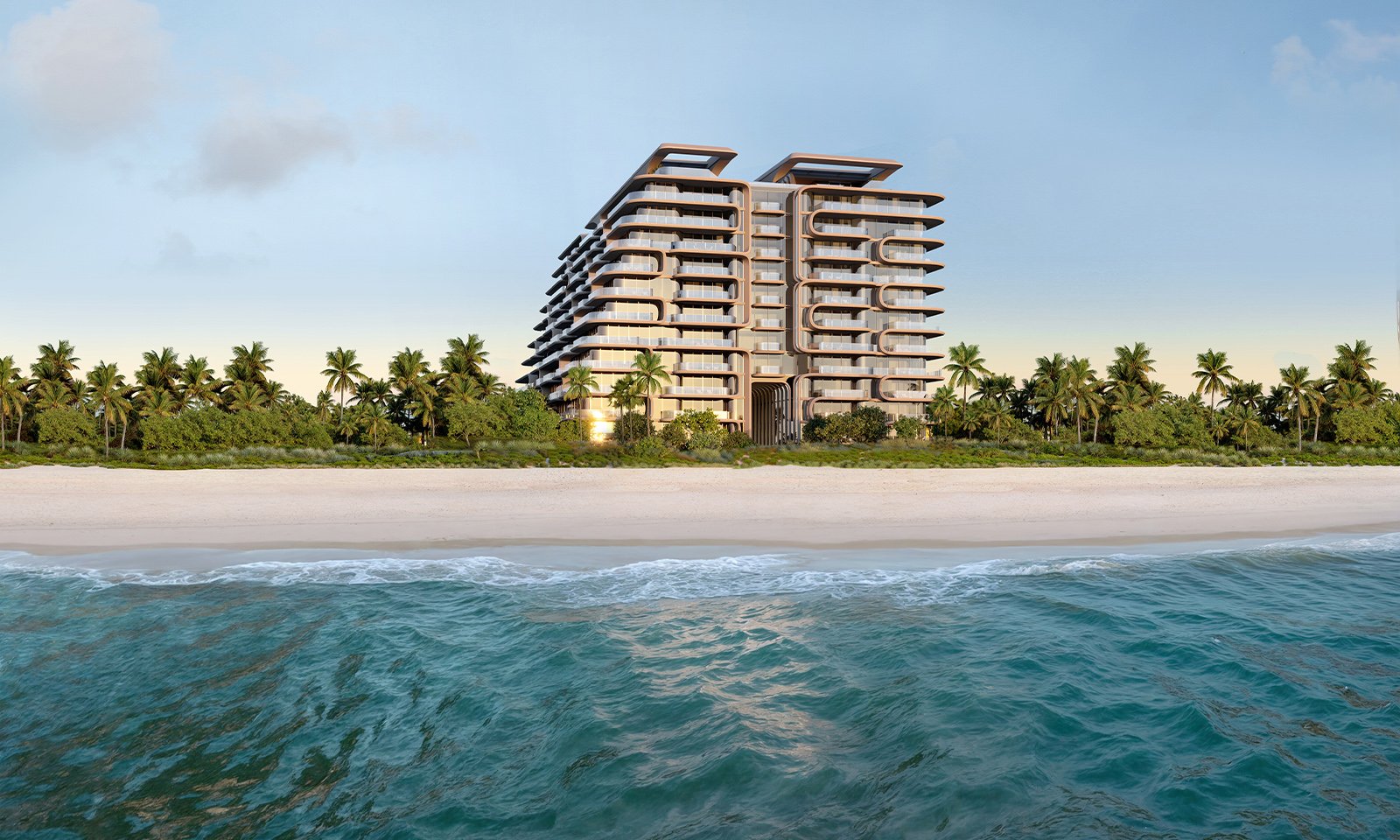
When touring Ocean House Surfside or any boutique oceanfront property, do not evaluate only the interiors. Stand on the terrace, in the primary suite, in secondary bedrooms, and near operable doors. Listen for mechanical noise, traffic patterns, delivery activity, and any adjacent construction sound. The luxury question is not simply whether the residence is quiet during a showing. It is whether it remains comfortable during the hours you are most likely to use it.
Current construction exposure is the easiest to observe and often the easiest to underestimate. Buyers should ask the listing side, building management, and their own counsel for a practical summary of any active work nearby. The request should cover building renovations, neighboring development, façade work, amenity improvements, road activity, utility work, and interior build-outs within the condominium.
The most useful questions are specific. What work is active today? Where is it located relative to the residence? What are the permitted or customary work hours? Are there recent notices to residents? Are any elevator, loading dock, garage, or lobby areas being used for construction logistics? Has the association communicated anticipated timelines or phases?
Avoid relying on a single weekend visit. Construction patterns can be quieter on certain days and more active on weekday mornings. If the residence is important enough to pursue, it is important enough to visit more than once. A second showing during a different time window can reveal whether the sound profile is occasional, tolerable, or incompatible with the buyer’s expectations.
The more nuanced question is future exposure. In Surfside, as in other desirable coastal markets, buyers should think beyond the property line. A quiet neighboring parcel today may not remain unchanged forever. That does not make every adjacent site a risk, but it does mean high-end diligence should include a review of surrounding ownership patterns, visible age of improvements, lot configuration, and any publicly available development activity.
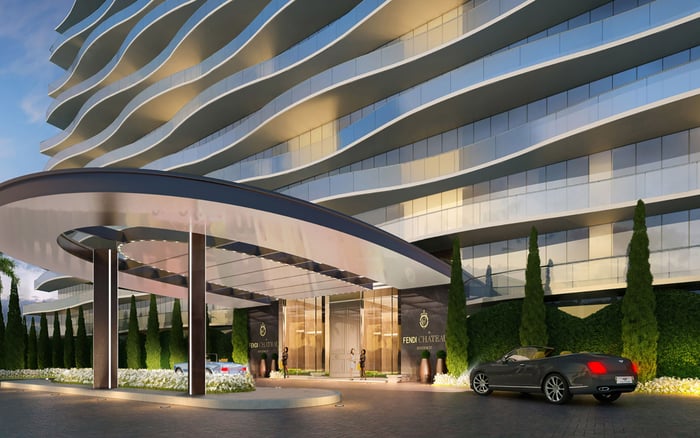
For a new-construction purchase, ask how much of the surrounding context is already built out and how much remains in transition. For an established condominium, ask whether nearby redevelopment could affect the living experience during your expected hold period. Buyers drawn to Fendi Château Residences Surfside or Arte Surfside may be focused on design pedigree and privacy, but the same discipline applies: understand the immediate environment as carefully as the finishes.
A strong advisor will frame the question in probabilities rather than promises. No one can guarantee that a neighboring site will never change. What you can do is identify visible indicators, request documentation, and price your confidence accordingly.
Not all luxury residences experience construction noise the same way. Glass quality, door systems, unit orientation, floor height, balcony depth, interior layout, and bedroom placement can all influence how sound is perceived. A residence with primary living areas facing the ocean may perform differently from one with bedrooms oriented toward a street or neighboring site.
During showings, close and open the terrace doors. Stand in silence for a full minute in each bedroom. Ask whether the residence has impact-rated openings and whether any recent window or door work has been completed by the owner or association. If the property is furnished, remember that rugs, drapery, upholstered furniture, and wall treatments can soften interior sound. An unfurnished residence may feel more reverberant than it will after installation, while a heavily staged residence may conceal how sound behaves in an emptier room.
Buyers who work from home should test the room where they will actually take calls. Those who sleep lightly should prioritize the primary suite’s exposure. Those who entertain outdoors should treat terrace acoustics as seriously as kitchen design.
Construction noise can come from outside the building, but it can also come from within it. Luxury condominiums often have rules governing contractor access, elevator reservations, work hours, protection of common areas, and approval procedures. Buyers should request relevant association documents and recent notices, then have counsel review them before contingency deadlines expire.
Key questions include whether any major building projects are planned, whether assessments are under discussion, whether common-area renovations are scheduled, and whether neighboring units are undergoing work. In smaller boutique buildings, even one substantial interior renovation can be noticeable if it shares structural walls, ceilings, corridors, or service areas with the residence being purchased.
For resale buyers, seller disclosure questions should be pointed but professional. Has the seller received notices of nearby construction? Have there been complaints or communications about noise? Are there ongoing projects in adjacent units? Has the association announced work that may affect daily living after closing?
Construction-noise exposure does not automatically make a property undesirable. In some cases, it may create a strategic entry point for a buyer with patience. In others, it may justify a different offer, a longer diligence period, a closing date aligned with project milestones, or a request for additional documentation before deposits become nonrefundable.
The negotiation should be quiet and evidence based. Rather than making a broad objection to noise, identify the specific concern: adjacent active work, uncertain future development, interior renovations, or building-wide projects. Then decide whether the issue affects value, lifestyle, timing, or all three.
A buyer seeking a serene second home may walk away from exposure that an investor would tolerate. A full-time resident may pay a premium for a unit with better orientation. A design-driven buyer may accept temporary disturbance to secure a rare plan or view. The point is to make that decision intentionally.
Should I visit a Surfside condo more than once before buying? Yes. Multiple visits at different times help reveal whether construction or service noise is occasional, patterned, or persistent.
Can a seller guarantee there will be no future nearby construction? Usually no. Buyers should focus on available documents, visible site conditions, municipal review, and contractual protections.
Is oceanfront always quieter than west-facing exposure? Not necessarily. Oceanfront orientation can be serene, but sound depends on neighboring sites, floor height, glazing, and building activity.
What should I ask the condominium association? Ask about planned building work, recent notices, contractor rules, elevator reservations, common-area projects, and any known resident communications.
Does construction noise affect resale value? It can affect buyer perception, timing, and negotiation, especially if exposure is active during marketing or uncertain during diligence.
Should my attorney review noise-related documents? Yes. Counsel can review disclosures, association materials, contingency language, and any documents tied to planned work.
Are high floors always better for construction-noise exposure? High floors may reduce some street-level disturbance, but sound can still travel depending on site orientation and building geometry.
What if I am buying pre-construction in Surfside? Ask about surrounding parcels, delivery logistics, expected completion context, and how much nearby development risk remains unresolved.
Can interior renovations in another unit be a serious issue? Yes. Shared walls, slabs, corridors, and service elevators can make in-building work noticeable even in premium properties.
What is the most important question to ask first? Ask what active or planned work exists within direct hearing distance of the residence and who can document it.
When you're ready to tour or underwrite the options, connect with MILLION.
If branded residences are on your mind — as a home or as an allocation — we would be glad to share what we are seeing, privately.
Begin a quiet conversation