A buyer-focused guide to evaluating elevator wait times at Alina Residences Boca Raton, from peak-period modeling to service separation, maintenance resilience, and long-term resale confidence.

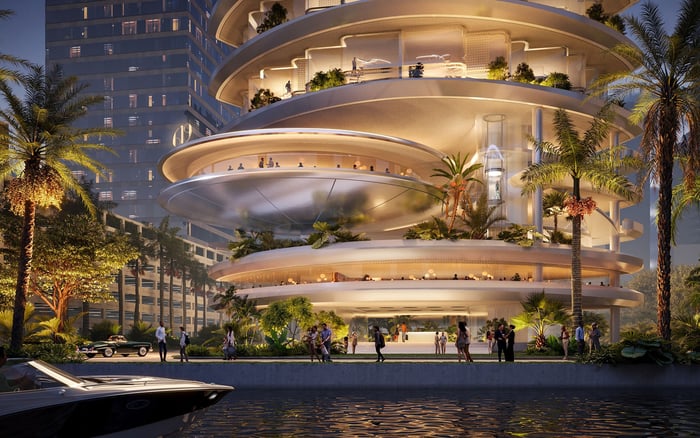
At Alina Residences Boca Raton, the first impression is naturally visual: architecture, arrival sequence, lobby atmosphere, landscaped calm, and the promise of an elevated Boca Raton lifestyle. Yet one of the most consequential details in daily living is rarely visible in a rendering. Elevator wait time is not decorative. It is an operational measure of how gracefully a building performs when residents are actually using it.
For a buyer evaluating Alina Residences Boca Raton, the question is not whether the elevator lobby looks refined. It is whether the vertical-transportation system supports the rhythm of a luxury residence during real peak periods. Morning departures, evening returns, weekends, holidays, and high-occupancy seasonal stretches can produce a very different experience than a quiet private tour.
That distinction is especially relevant in a luxury setting where residents may leave and return several times a day. A building that feels effortless at noon on a weekday should also feel composed when residents are heading to dinner, receiving guests, returning from the garage, or moving between amenities and residences.
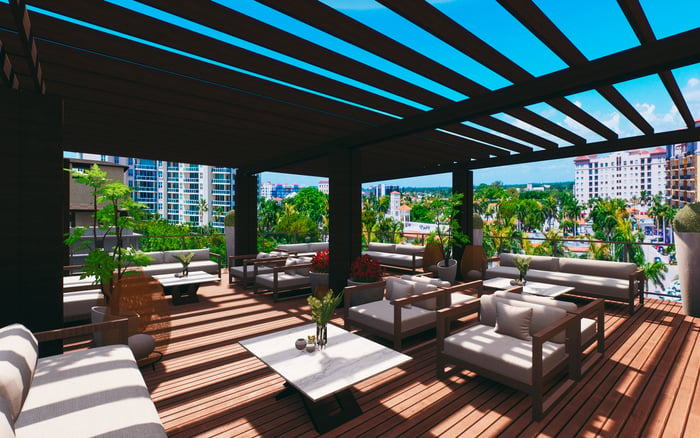
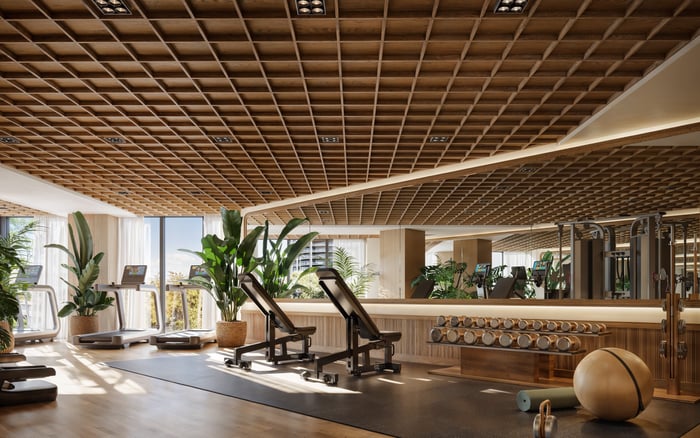
Renderings can communicate finish level, volume, lighting, and atmosphere. They cannot verify average wait time, destination time, handling capacity, interval, elevator speed, car capacity, or how many people are likely to be using the same bank at the same moment.
A polished elevator vestibule may suggest privacy and calm, but finishes do not prove speed or reliability. The more useful buyer question is operational: during peak periods, how long does it typically take from pressing the call button to arriving at the intended floor?
Buyers should avoid relying solely on the number of elevator cars shown or implied in presentation materials. Elevator count matters, but it is only one part of the equation. The lived experience is shaped by the number of residences served, car size, system logic, floor-to-floor travel, destination patterns, service traffic, maintenance procedures, and whether the building has enough resilience if one car is offline.
The strongest due-diligence request is for elevator traffic studies or vertical-transportation modeling. These materials can clarify how the system is expected to perform when the building is occupied and active, rather than merely how it appears in design imagery.
Key metrics to ask about include average wait time, interval, handling capacity, destination time, elevator speed, and car capacity. Each reveals something different. Average wait time speaks to resident patience. Interval measures how frequently cars arrive. Handling capacity indicates how well the system absorbs demand. Destination time captures the complete trip experience, not only the wait in the lobby.
For Alina Residences Boca Raton, the most important conversation is practical, not theoretical. Ask how the system is expected to behave during morning departures, evening returns, weekends, holidays, and seasonal periods when occupancy may be higher. These are the moments when a luxury building’s operational planning becomes visible.
One of the most practical questions is whether resident elevator traffic is separated from service traffic. Move-ins, deliveries, catering, staff movement, housekeeping support, building maintenance, and amenity operations can all add demand to an elevator system.
If service functions share resident cars too often, the resident experience can become less predictable. A beautifully finished car may still be delayed by a move, a delivery cart, or maintenance activity. Buyers should ask how these activities are scheduled, which elevators they use, and whether management policies protect resident convenience during busy periods.
The garage-to-lobby-to-residence path also deserves scrutiny. If garage access, lobby arrivals, amenity levels, and residential floors create cross-traffic in the same elevator bank, the system may feel busier than expected. A thoughtful circulation plan can preserve calm. A less disciplined one can turn everyday movement into a hidden friction point.
Luxury is tested when something is not functioning perfectly. An important due-diligence question is whether one elevator being out of service would materially increase wait times or create bottlenecks.
This is not a pessimistic question. It is a realistic one. Elevators require maintenance, inspections, and occasional repairs. In a premium building, downtime does not merely inconvenience residents. It affects arrival quality, staff efficiency, guest experience, and the sense of ease that supports long-term satisfaction.
Buyers should review available condominium documents, building plans, maintenance contracts, and management policies for elevator operations. The goal is to understand not only the hardware, but also the service agreement behind it. Maintenance response times and service commitments matter because daily convenience depends on both design and management execution.
Comparison should be specific and disciplined. Rather than asking whether Alina Residences Boca Raton looks like a luxury building, ask how its elevator ratio compares with comparable luxury condominium properties. Consider elevators per residence and whether the system is shared, semi-private, or private-entry.
Private or semi-private elevator arrangements can change the feeling of arrival, but they still need operational support. Shared elevators can perform beautifully when properly modeled and managed. The point is not to prefer one format automatically. The point is to verify whether the chosen format matches the building’s density, lifestyle patterns, and service demands.
In the broader Boca Raton market, buyers often compare design, amenities, location, and prestige. Elevator performance should sit beside those categories, especially for new-construction and pre-construction decisions where the buyer may be evaluating promises before the lived experience is fully visible. It also matters for resale confidence and investment discipline, because future buyers may ask the same operational questions.
Elevator performance may sound technical, but its impact is deeply personal. It affects whether a resident leaves the residence smoothly, receives guests without delay, manages luggage easily, and moves between garage, lobby, amenities, and home without irritation.
In a luxury residence, small frictions compound. A wait that feels minor once may become meaningful if it occurs every morning. A service elevator conflict may be tolerable during a tour, but frustrating during a catered evening or seasonal arrival. The most discerning buyers understand that convenience is part of value.
For Alina Residences Boca Raton, the right approach is not skepticism. It is precision. The building’s visual language can be appreciated while still asking for the operational evidence that supports daily living. A rendering can express ambition. A traffic study, maintenance plan, and well-structured management policy can support confidence.
Before signing or removing contingencies, ask for the materials and answers that clarify the lived experience. Request vertical-transportation modeling if available. Ask for expected average wait times during peak residential periods. Confirm how service traffic is separated. Understand what happens when one elevator is offline. Review maintenance commitments and response procedures.
Also ask how the elevator system supports the way residents actually use the building. A Boca Raton luxury resident may move between parking, lobby, wellness spaces, dining plans, guests, pets, deliveries, and multiple daily outings. The more active the lifestyle, the more important vertical circulation becomes.
This level of inquiry is not excessive. It is aligned with the price point and the promise. In the ultra-premium market, true luxury is not only what surrounds the resident. It is what works quietly, consistently, and without drama.
Why should elevator wait time matter at Alina Residences Boca Raton? Because elevator performance affects daily convenience, privacy, guest arrivals, and the overall feeling of effortless luxury.
Can a rendering show whether elevator service will be fast? No. Renderings can show design intent and finishes, but they do not verify peak-period performance or system reliability.
What elevator metrics should a buyer request? Ask about average wait time, interval, handling capacity, destination time, elevator speed, and car capacity.
Are elevator counts enough to judge performance? No. The number of cars matters, but performance also depends on occupancy, traffic patterns, service use, and system design.
When are elevator systems most likely to be tested? Morning departures, evening returns, weekends, holidays, and seasonal high-occupancy periods are the most relevant moments.
Should service traffic be separated from resident traffic? Buyers should verify how move-ins, deliveries, catering, staff, and maintenance are handled to protect resident convenience.
What if one elevator is out of service? Ask whether the remaining system can maintain acceptable service or whether downtime could create meaningful bottlenecks.
Which documents can help confirm elevator operations? Condominium documents, building plans, maintenance contracts, and management policies may provide useful operational detail.
Does elevator performance affect resale confidence? Yes. Future buyers may value a building that feels efficient, reliable, and well managed in everyday use.
What is the best way to shortlist comparable options for touring? Start with location fit, delivery status, and daily lifestyle priorities, then compare stacks and elevations to validate views and privacy.
For a confidential assessment and a building-by-building shortlist, connect with MILLION.
If branded residences are on your mind — as a home or as an allocation — we would be glad to share what we are seeing, privately.
Begin a quiet conversation