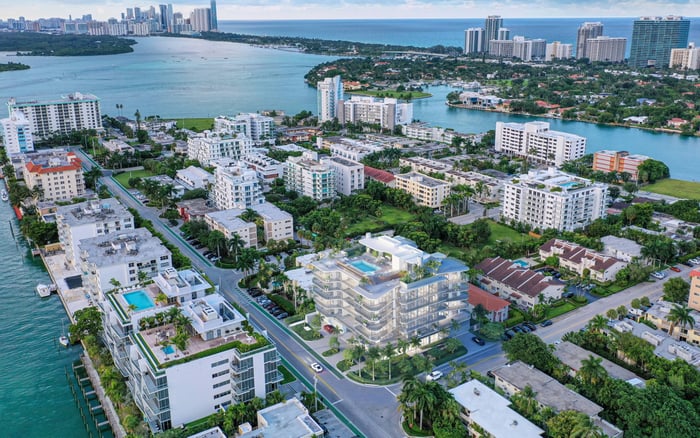
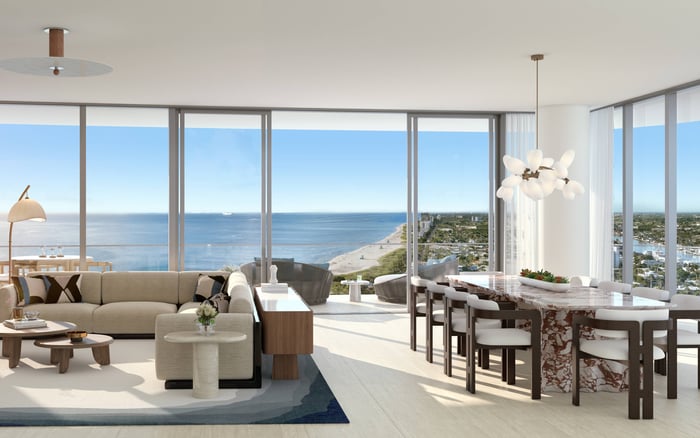
A discreet buyer-focused comparison of Alana Bay Harbor Islands and W Pompano Beach Hotel & Residences, centered on scarcity, operating costs, lifestyle utility, and resale depth.
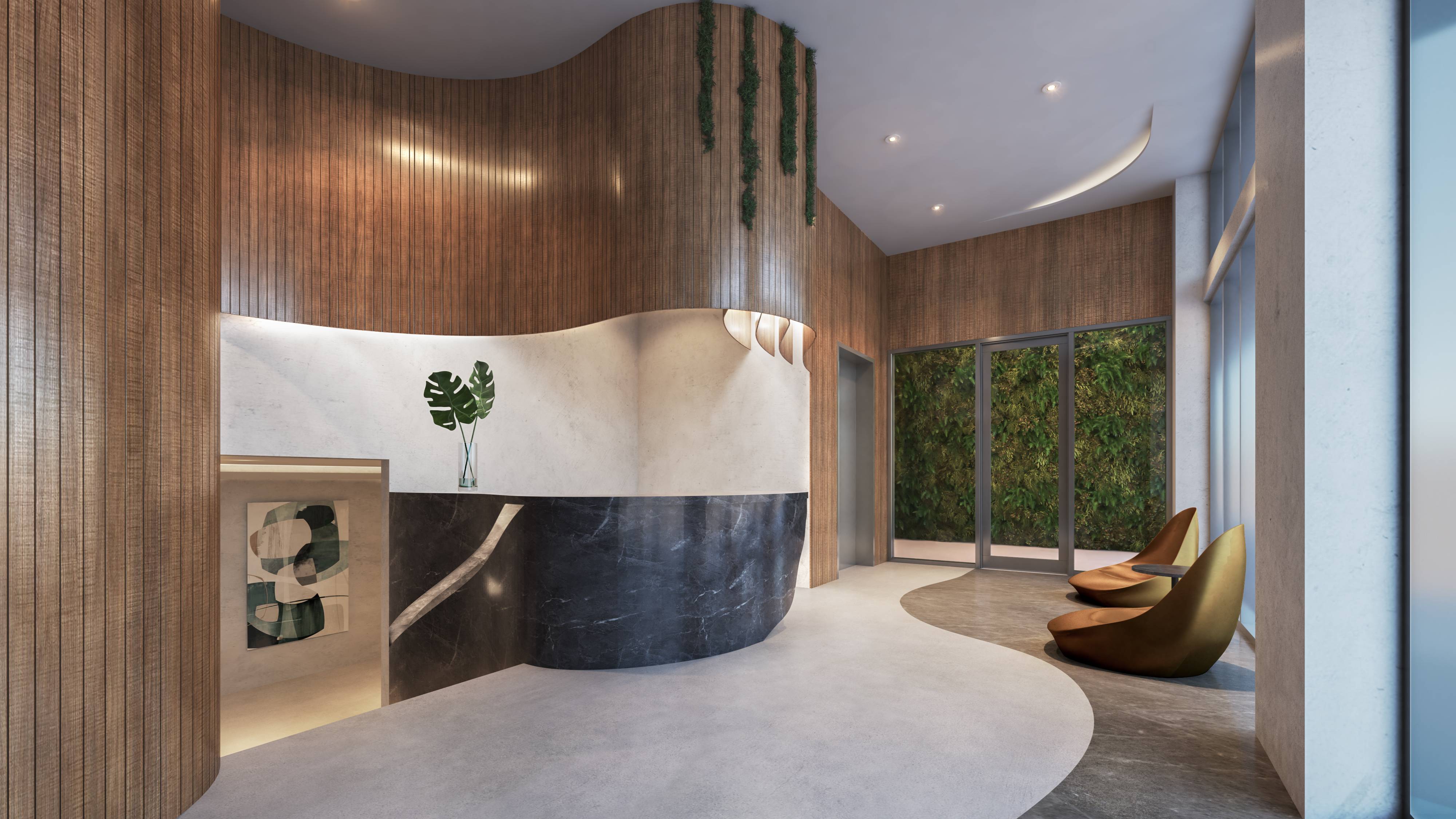
For a serious South Florida buyer, the question behind Alana Bay Harbor Islands vs W Pompano Beach Hotel & Residences is not which name sounds more glamorous. It is whether the asset should function as a quiet residential hold or as a higher-energy branded beachfront possession with a broader hospitality aura.
That distinction matters because trophy scarcity is not a single universal idea. In Bay Harbor Islands, scarcity often reads as composure: a calmer waterfront setting, residential scale, and proximity to the established luxury orbit of Bal Harbour and the surrounding barrier-island market. In Pompano Beach, scarcity can read differently: beachfront presence, brand recognition, and the appeal of a coastal market that continues to attract buyers seeking newer luxury product beyond the most mature Miami-Dade corridors.
The names alone frame two distinct forms of ownership. Alana Bay Harbor Islands speaks to a Bay Harbor Islands buyer who may prioritize privacy, neighborhood rhythm, and long-term residential usability. W Pompano Beach Hotel & Residences raises a different set of questions around brand experience, service expectations, and the total cost of operating a luxury residence with hospitality influence.
Scarcity is often discussed emotionally, but sophisticated buyers should define it practically. Is the scarcity tied to land, waterfront orientation, neighborhood character, architecture, brand, lifestyle programming, or the limited availability of comparable new product? Each answer leads to a different investment thesis.
For Alana Bay Harbor Islands, the scarcity argument is likely to appeal to buyers who value a quieter residential setting within the broader Bay Harbor conversation. The buyer is not necessarily chasing the loudest address. Instead, the appeal may be an elegant daily life that feels insulated yet connected, with a sense of permanence that can be difficult to replicate in more commercialized beachfront environments.
For W Pompano Beach Hotel & Residences, the scarcity argument is more visibly tied to experience. A branded hotel-residence identity can create immediate recognition for buyers who want amenity energy, service language, and a setting closer to a resort ownership pattern. That can be powerful, but it should be evaluated as a specific ownership style rather than a generic upgrade.
In other words, trophy scarcity is valuable only when the next buyer understands it. A residence can feel rare today, but resale strength depends on whether future buyers will prize the same features with equal conviction.
The most practical comparison is often hidden in the monthly and annual carrying profile. Buyers should look beyond purchase price and ask what the residence is designed to operate like over a full hold period. Insurance, association expenses, reserve planning, service expectations, staffing, parking, valet structures, and amenity intensity all shape the lived cost of ownership.
A quieter residential building may feel simpler, but simplicity should still be verified. Smaller-scale luxury properties can have concentrated cost sharing, and buyers should understand how common areas, maintenance, management, and reserves are structured. The advantage is not automatically lower cost. The advantage is potential clarity if the building culture is aligned with residential use.
A branded or hospitality-influenced residence may offer a richer service experience, but that experience is rarely free of operational consequence. A condo-hotel mindset is especially important when evaluating anything with hotel-residence language, because the buyer must separate lifestyle appeal from recurring obligations. The right buyer may happily pay for that level of energy. The wrong buyer may discover that the property feels more operational than private.
For high-net-worth households, the issue is not affordability. It is whether the cost structure matches use. A second-home buyer who visits frequently but values lock-and-leave service may view recurring expenses differently from a primary resident who wants quiet predictability.
Resale depth is not the same as current buzz. The future buyer pool for Alana Bay Harbor Islands may include people who want a refined residential enclave, access to the northern Miami Beach lifestyle orbit, and a less performative address. That audience can be highly durable when the product aligns with privacy, proportion, and ease.
The future buyer pool for W Pompano Beach Hotel & Residences may be broader in a different way. Brand-aware buyers, beach-oriented second-home purchasers, and those comfortable with hospitality-style living may all understand the proposition quickly. The advantage is recognizability. The risk is that the resale narrative must remain compelling if competing branded or beachfront options enter the conversation.
This is why investment discipline is essential. The buyer should ask: who will want this from me later, and why? If the answer depends only on personal taste, the thesis is thin. If the answer is supported by location logic, lifestyle utility, and a clear ownership identity, the thesis becomes stronger.
For a primary residence, Alana Bay Harbor Islands may be the more intuitive comparison point for someone who wants a grounded residential cadence. The daily test is simple: does the building and neighborhood support ordinary life beautifully, not just special weekends?
For a second home, W Pompano Beach Hotel & Residences may speak to buyers who want a more activated coastal experience. The daily test changes: does the residence make arrival effortless, provide the atmosphere expected, and justify the operating profile when the owner is absent?
For a family office or long-horizon buyer, the analysis should be less emotional still. New-construction appeal, governance quality, future maintenance obligations, and buyer depth should be weighed against the prestige of the name. Pompano Beach and Bay Harbor are not interchangeable labels. They represent different audiences, different rhythms, and different resale conversations.
The strongest purchase is the one where lifestyle, cost, and exit logic tell the same story. If a buyer wants discretion, neighborhood texture, and a residential hold, Alana Bay Harbor Islands deserves careful attention. If a buyer wants brand energy, a beach-forward identity, and a more hospitality-inflected ownership style, W Pompano Beach Hotel & Residences may be the more natural fit.
Neither choice should be reduced to glamour. The better question is which asset will remain legible to the next sophisticated buyer after the initial excitement has passed.
Is Alana Bay Harbor Islands more residential in character? It is best evaluated as a Bay Harbor Islands residential proposition, with emphasis on daily livability and neighborhood fit.
Is W Pompano Beach Hotel & Residences more service-oriented? The name indicates a hotel-and-residences framework, so buyers should closely study service structure, rules, and operating costs.
Which property is more scarce? Scarcity depends on what the buyer values: enclave-style residential calm or branded beachfront identity.
Should operating costs affect the purchase decision? Yes. Carrying costs can materially change the ownership experience, especially in amenity-rich or hospitality-influenced properties.
Which has the deeper future buyer pool? Each may appeal to a different pool, so the key is whether the resale audience will understand and value the same ownership thesis.
Is a branded residence automatically easier to resell? Not automatically. Brand recognition helps only when pricing, cost structure, location, and lifestyle expectations remain aligned.
Is Bay Harbor Islands better for privacy-focused buyers? It may be attractive to buyers seeking a quieter residential rhythm within a highly regarded coastal luxury corridor.
Is Pompano Beach suitable for second-home buyers? It can be compelling for buyers seeking beach access, brand familiarity, and a more activated coastal lifestyle.
What should buyers compare before choosing? Compare governance, monthly costs, use restrictions, service expectations, resale audience, and the way each property fits daily life.
What is the most practical way to decide? Model the hold period first, then decide which residence best balances enjoyment, cost discipline, and exit clarity.
For a confidential assessment and a building-by-building shortlist, connect with MILLION.
If branded residences are on your mind — as a home or as an allocation — we would be glad to share what we are seeing, privately.
Begin a quiet conversation