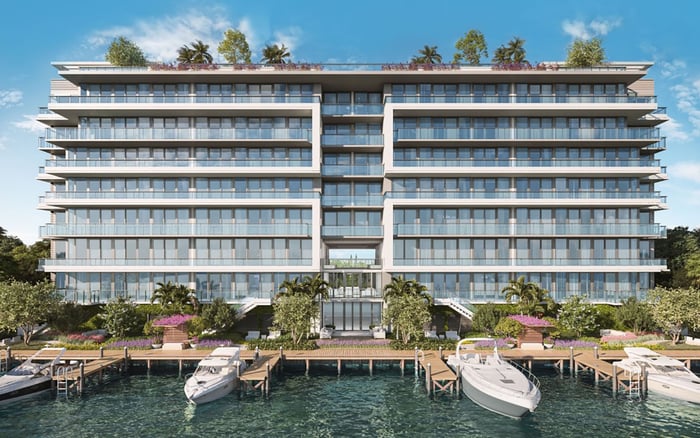
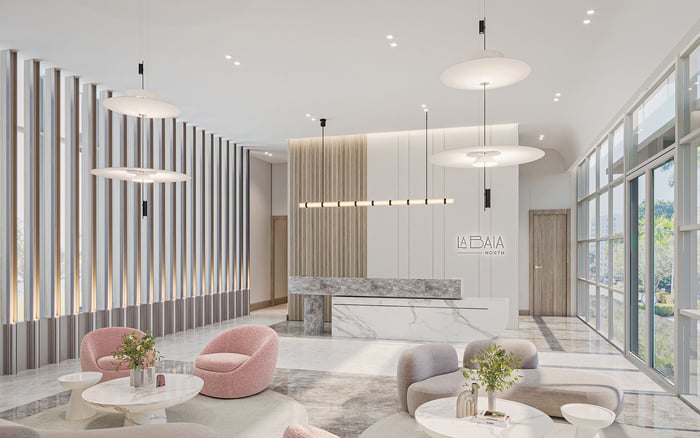
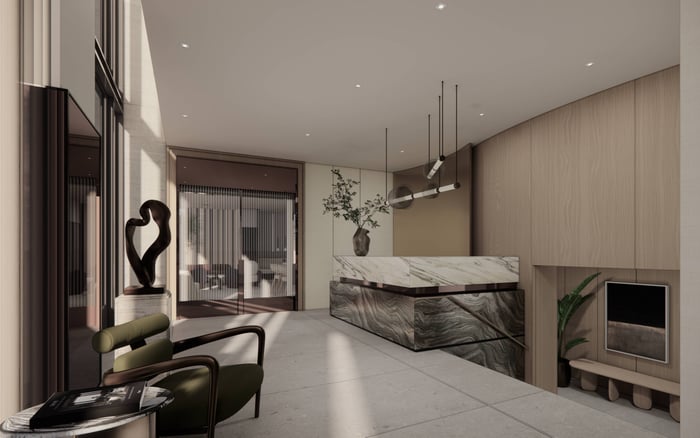
A buyer-focused look at how seasonal residents should evaluate turnkey delivery between Alana Bay Harbor Islands and La Baia North Bay Harbor Islands when public details remain limited. The practical edge lies in verifying finish level, furnishing options, management structure, and operational readiness before committing.
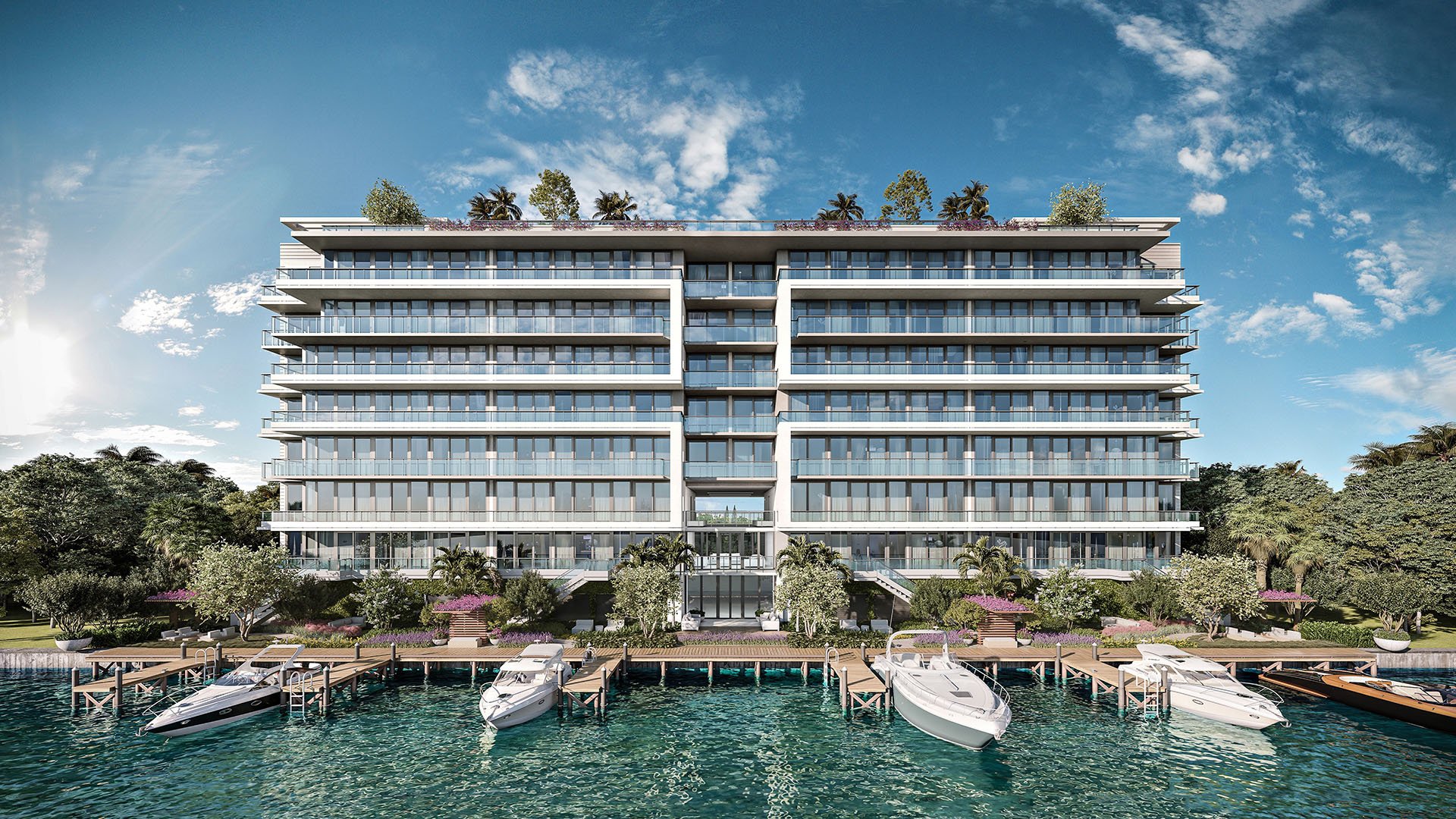
For the seasonal buyer, turnkey is rarely just a marketing adjective. It is an operating standard. The difference between a residence that feels immediately usable and one that still requires months of coordination often comes down to details that are easy to overlook in the early stages of a search.
That is precisely why a direct comparison between Alana Bay Harbor Islands and La Baia North Bay Harbor Islands should begin with restraint. Publicly available material does not support a definitive side-by-side conclusion on turnkey delivery, pricing, inventory, timelines, or amenities. For a second-home purchaser, that does not end the analysis. It simply changes the standard of diligence.
In Bay Harbor Islands, especially within boutique waterfront product, the most valuable question is not whether a project sounds turnkey. It is whether the residence will actually function with minimal friction from day one of seasonal occupancy.
A refined seasonal ownership experience depends on five practical categories.
First is delivery condition. Buyers should distinguish between decorator-ready, finished, furnished, and fully serviced. These terms may appear adjacent in conversation, but they imply very different levels of completion. A polished kitchen and bath package may still leave lighting, closets, window treatments, and furnishing coordination to the purchaser.
Second is operational simplicity. Seasonal residents often need clarity on move-in procedures, building staffing, package handling, access protocols, and the cadence of property oversight during long absences. Those details shape the lifestyle as much as the architecture.
Third is residence readiness at handoff. Even within new construction, a beautiful building can feel less than turnkey if punch-list completion, homeowner orientation, or common-area activation remains in progress.
Fourth is ownership rhythm. A buyer who plans to use a home only part of the year should understand rules, approvals, and management expectations with the same care applied to finishes.
Fifth is liquidity and substitution risk. In boutique product, limited inventory can make one floor plan feel interchangeable with another when, in reality, exposure, storage, and arrival sequence may materially alter the ownership experience.
These are the factors that matter whether one is considering Bay Harbor Islands specifically or looking at comparable intimate luxury offerings such as La Maré Bay Harbor Islands, Onda Bay Harbor, and The Well Bay Harbor Islands, where the appeal often lies in privacy, scale, and discretion rather than purely in headline amenities.
For now, the most authoritative editorial position is a careful one. There is not enough verified public detail to state that either Alana Bay Harbor Islands or La Baia North Bay Harbor Islands offers furnished delivery, decorator-ready execution, or a fully turnkey handover for seasonal residents. It is equally unwise to suggest that one project clearly surpasses the other on inventory depth, completion timing, or amenity edge without direct confirmation.
That does not make the choice opaque. It makes it document-driven.
A sophisticated buyer comparing Alana Bay Harbor Islands with La Baia North Bay Harbor Islands should request the current finish schedules, purchase agreement exhibits, developer marketing collateral, residence manuals if available, and any building-level operational documentation that clarifies what an owner receives at closing and what remains the owner's responsibility. In practice, those materials often reveal more than broad branding language ever could.
For Bay Harbor Islands purchasers who value seasonal ease, the key is to move from imagery to specification. Does delivery include completed flooring throughout? Are closets built out? Are appliance packages and fixture selections final? Is there a resident-services framework that supports lock-and-leave ownership? The answers determine whether a residence is truly convenient or simply elegant.
There is a reason Bay Harbor Islands continues to draw buyers who prefer discretion over spectacle. The setting suits those who want proximity to the broader Miami Beach and Bal Harbour orbit while returning to a more intimate residential scale. For seasonal ownership, that balance can be compelling.
Buyers seeking a calmer alternative to larger vertical communities often gravitate toward boutique projects where arrival feels more residential and less ceremonial. In that context, the appeal of Alana Bay Harbor Islands and La Baia North Bay Harbor Islands is understandable even when turnkey specifics require further confirmation.
The same buyer profile often cross-shops nearby concepts like The Well Bay Harbor Islands, not because every project offers the same delivery model, but because the area itself supports a wellness-oriented, low-friction, second-home lifestyle. What matters is aligning that lifestyle promise with the actual ownership documents.
Instead of asking which project is better in the abstract, seasonal residents should ask which one is easier to occupy elegantly.
That means comparing the exact condition of the residence at turnover, the clarity of post-closing responsibilities, the degree of management support during owner absence, and the amount of additional capital still required after contract. A residence that requires significant design coordination after closing may still be an exceptional home, but it is not the same proposition as a genuinely turnkey purchase.
This distinction is especially important for buyers who live between markets. If a purchaser intends to arrive for winter with minimal setup, the tolerance for ambiguity should be close to zero. Every unresolved detail becomes a calendar burden.
For that reason, an authoritative review of Alana Bay Harbor Islands versus La Baia North Bay Harbor Islands is best completed only after reviewing current official materials for both projects and corroborating the practical details with professionals handling the transaction. Public descriptions alone do not yet justify stronger conclusions.
An experienced luxury buyer should create a short verification checklist before moving from interest to reservation.
Confirm the promised level of interior completion. Confirm whether any furnishing or design packages exist and whether they are optional or standard. Confirm the anticipated handoff condition for common areas and owner services. Confirm building rules relevant to part-time occupancy. Confirm how management, access, maintenance coordination, and any owner support are structured.
It is also wise to review project status through official filings and property-level documentation where available, then reconcile those details against the sales presentation. If there is a discrepancy, the contract exhibits, not the mood board, should govern the decision.
For the affluent buyer, discretion is part of luxury. So is predictability. In Bay Harbor Islands, the smartest seasonal purchases tend to be the ones where expectation, documentation, and lived experience align cleanly.
Is there enough public information to confirm which project is more turnkey? No. A definitive comparison on turnkey delivery is not currently supported by verified public detail.
Can I assume either project offers furnished residences? No. Furnished or fully serviced delivery should be confirmed directly in official project materials.
Why does turnkey matter so much for seasonal residents? Because part-time owners typically need immediate usability and minimal post-closing coordination.
What should I request from each sales team first? Ask for finish schedules, purchase exhibits, current marketing collateral, and any operational documents relevant to occupancy.
Are delivery timelines clear enough to compare today? Not with confidence based on the available material alone. Buyers should verify current status directly.
What is the biggest risk in assuming a residence is turnkey? The risk is unexpected cost, additional setup time, and a delayed move-in experience.
Do boutique buildings suit second-home ownership well? Often yes, especially for buyers who value privacy and a quieter residential scale.
Should I focus more on finishes or management structure? Both matter. A beautiful residence can still feel inconvenient if operational support is unclear.
Is Bay Harbor Islands a strong fit for seasonal luxury buyers? Yes, particularly for those seeking a discreet setting near Miami Beach and Bal Harbour.
What is the smartest next step before making a decision? Review official project documentation for both options and compare what is actually delivered at closing.
When you're ready to tour or underwrite the options, connect with MILLION Luxury.
If branded residences are on your mind — as a home or as an allocation — we would be glad to share what we are seeing, privately.
Begin a quiet conversation