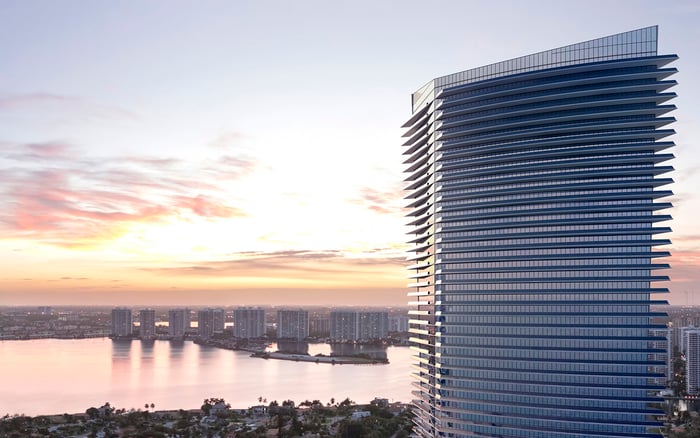
A disciplined framework for Milan-based buyers translating new liquidity into a carefully selected Surfside residence, with emphasis on mandate design, building diligence, cross-border coordination, and a controlled offer process.
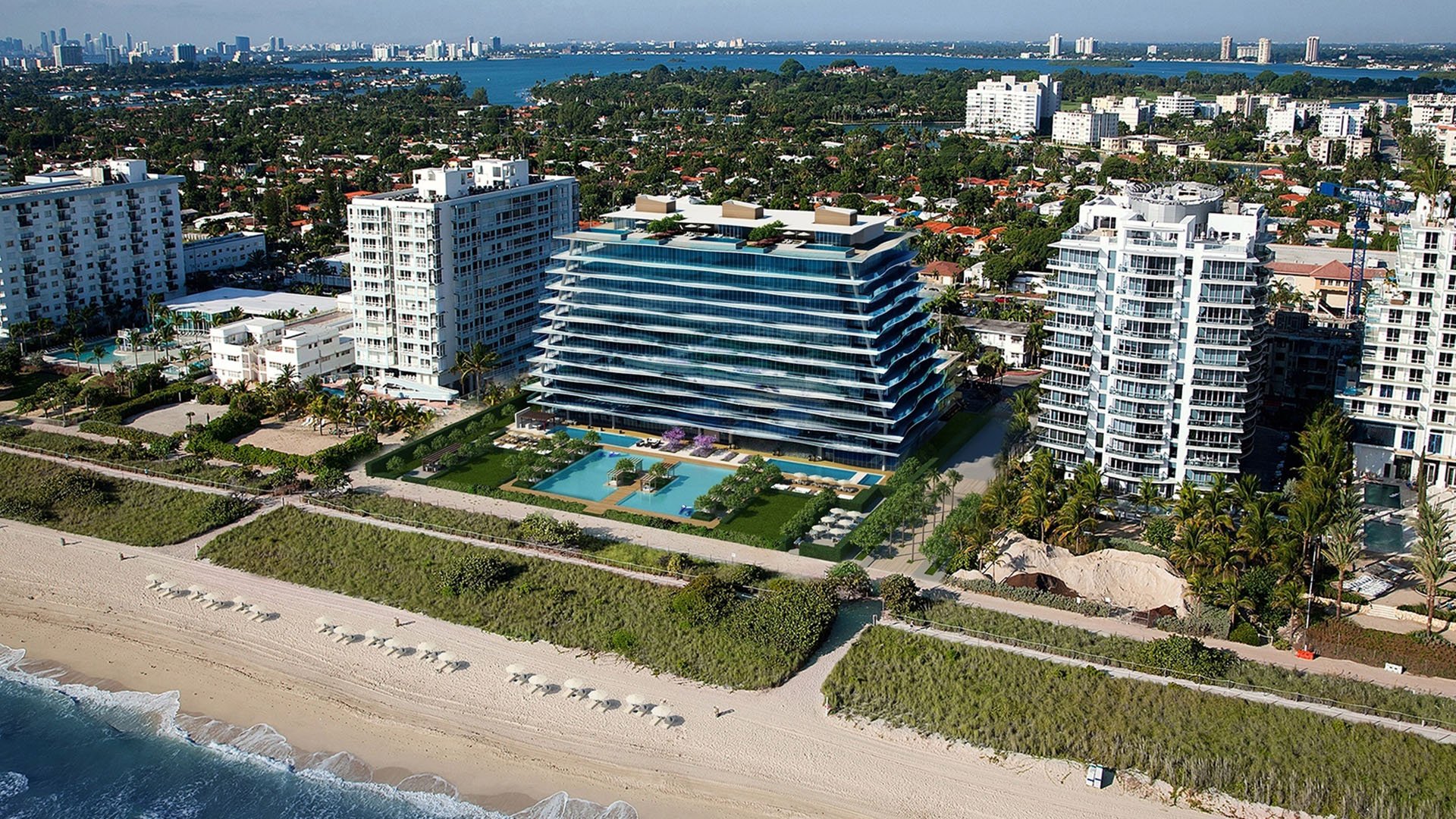
A liquidity event can make a South Florida purchase feel immediately attainable. The more useful first step is restraint. Before touring a Surfside residence, define what the property must accomplish, how it will be used, and which compromises are unacceptable. The objective is not simply to acquire an impressive address, but to select a home whose ownership profile remains coherent long after the excitement of the transaction has passed.
Separate the total capital available from the amount appropriate for real estate. Then distinguish the acquisition budget from the reserve intended for closing, furnishing, carrying costs, future building obligations, and personal liquidity. These figures should be established with the buyer's advisers, not inferred from a listing price.
For a Milan-based principal, the brief should also identify the decision-makers. Determine who may approve an offer, who will review documents, and how quickly funds can move once the advisers are satisfied. In this process, preparation matters more than speed.
The strongest brief is operational. Will this be a second home used for extended stays, a family base, or a residence expected to accommodate guests? How many bedrooms must function as true private suites? Is a separate office essential? Are staff circulation, storage, parking, pet policies, or service access meaningful to daily life?
An oceanfront orientation may be central to the emotional case, but buyers should translate that preference into testable criteria. Visit at different times, assess privacy from adjoining buildings, consider the relationship between indoor and outdoor spaces, and study how the floor plan supports real routines. A view should not compensate for compromised circulation or inadequate storage.
Ownership format belongs in the brief as well. Some buyers will favor new construction, while others may prefer the visibility offered by a completed resale residence. Neither category is inherently superior. The decision should reflect the buyer's timing, tolerance for execution risk, design appetite, and desire for immediate use.
Project names can be useful starting points, but they should not become substitutes for analysis. A buyer might place The Delmore Surfside beside Ocean House Surfside to clarify preferences around timing, residence configuration, and the character of the ownership proposition. Every candidate should be assessed using the same worksheet.
That worksheet can include usable interior area, terrace utility, exposure, privacy, parking, storage, included finishes, anticipated work, recurring charges, and any restrictions relevant to the intended use. Record which items have been verified, which remain representations, and which require specialist review.
Broader comparisons can sharpen the mandate. Arte Surfside and Fendi Château Residences Surfside may be considered as distinct candidates, while The Surf Club Four Seasons Surfside can be evaluated through the same disciplined lens. The purpose is not to declare a universal winner, but to reveal which residence best matches this buyer's priorities.
Beautiful finishes are easy to understand. Building obligations demand more patience. Before becoming emotionally committed to a unit, request the current documents appropriate to the transaction and have qualified counsel identify what requires review. The scope may include governing documents, financial materials, insurance information, meeting records, pending or contemplated work, approval procedures, use restrictions, and disclosures provided for the property.
The buyer's team should confirm rather than assume. Ask who is responsible for verifying square footage, alterations, permits, equipment condition, included property, and any planned work within the residence. If renovations are contemplated, establish whether the concept is permissible before assigning value to it.
Diligence should also examine the practical experience of arrival and occupancy. Test access, elevators, parking, loading procedures, deliveries, guest protocols, noise, and cellular connectivity. Walk from the residence to every space the buyer expects to use. Luxury is often revealed by the friction removed-or the friction that remains.
A Milan liquidity event can involve personal, corporate, tax, estate, currency, and banking considerations. Those questions should be addressed by appropriately qualified advisers in the relevant jurisdictions. The property search should not dictate the ownership structure, and a broker's commercial guidance should not replace legal or tax advice.
Create one coordinated closing group to address contract review, title and ownership questions, funds transfer, identity and compliance requests, insurance, inspections, and post-closing administration. Each adviser should understand the intended timeline and the boundaries of their role.
Currency deserves its own decision process. Define who may authorize conversion, whether the purchase budget includes a buffer, and what happens if timing changes. Do not allow an attractive residence to force an improvised transfer. Before funds are sent, independently verify wire instructions through a trusted channel.
Price is only one part of an offer. The buyer should understand the deposit schedule, diligence rights, approval requirements, closing date, included property, representations, and remedies relevant to the proposed contract. Counsel should shape the legal terms, while the buyer determines how much uncertainty is acceptable.
A credible bid can still be conditional where protection is necessary. The goal is not to eliminate all risk, which is rarely possible, but to identify the risks that could change the buyer's decision. Maintain a written issues list, assign each item to an adviser, and never treat silence as confirmation.
Before signing, return to the original mandate. If the residence exceeds the budget after reserves, fails a core use requirement, or depends on an unverified assumption, pause. The discipline to decline is part of the acquisition strategy.
Closing should be treated as the beginning of operations. Prepare insurance, utilities, access permissions, property management, maintenance, furnishing, security, and document storage in advance. Decide who will inspect the residence during absences and who has authority to address routine issues.
The buyer should also maintain an organized closing archive and schedule periodic reviews with the relevant advisers. Personal circumstances, usage patterns, and property obligations can change. A thoughtful ownership plan preserves optionality, allowing the residence to remain a pleasure rather than become an administrative burden.
Should a buyer begin touring immediately after a liquidity event? Touring can begin, but the budget, intended use, advisory team, and approval process should be defined first.
Is a cash purchase automatically the best approach? Not necessarily. The appropriate capital structure depends on liquidity goals and guidance from qualified financial, legal, and tax professionals.
How should buyers compare completed and future residences? Use a single framework covering timing, documentation, costs, condition, customization, and the certainty of what will be delivered.
What should be prioritized during a first viewing? Focus on layout, privacy, exposure, circulation, storage, access, and the practical experience of occupying the home.
When should legal counsel become involved? Counsel should be engaged before an offer creates obligations or deadlines that could limit the buyer's options.
Can a listing presentation replace independent diligence? No. Material documents, property condition, included items, and transaction terms should be reviewed by the appropriate professionals.
How much liquidity should remain outside the purchase? The amount is personal and should reflect closing needs, ownership costs, contingencies, other commitments, and adviser guidance.
Should currency conversion wait until a contract is signed? The timing should follow a documented currency and transfer plan, not an improvised response to a deadline.
What makes an offer credible without being aggressive? Clear authority, verified funds, realistic timing, focused conditions, and responsive advisers can support a well-organized proposal.
What is the final test before signing? Confirm that the residence still satisfies the written mandate after costs, diligence findings, timing, and unresolved assumptions are considered.
If you'd like a private walkthrough and a curated shortlist, connect with MILLION.
If branded residences are on your mind — as a home or as an allocation — we would be glad to share what we are seeing, privately.
Begin a quiet conversation