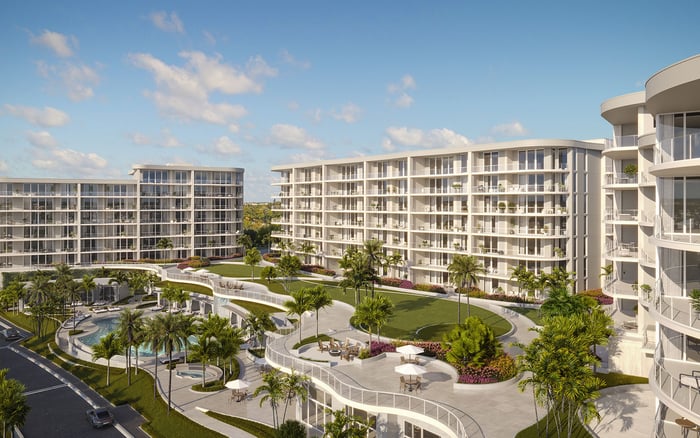
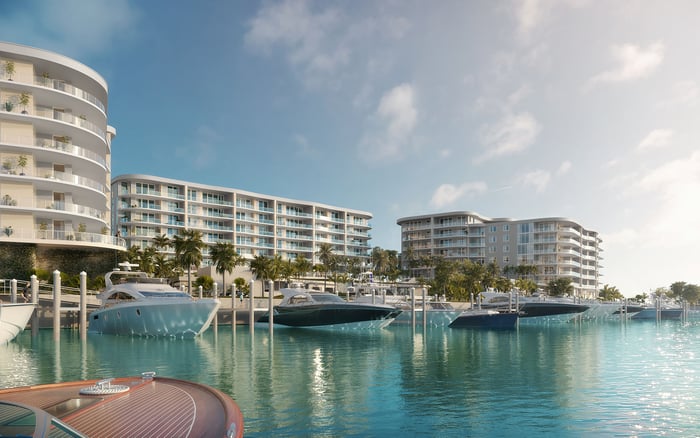
A Washington, D.C. departure calls for more than a Florida closing. Coordinate estate liquidity, ownership questions and family instructions with Palm Beach Gardens homestead deadlines and an address-specific operating budget.

Leaving Washington, D.C. for Palm Beach Gardens is a residential decision governed by several financial timelines. The purchase requires capital at closing. The residence requires an ongoing operating budget. The estate plan requires a separate review of liquidity, ownership and family intentions. Coordinate these decisions rather than assume a successful closing resolves them all.
For a buyer considering The Ritz-Carlton Residences® Palm Beach Gardens, the first planning question is not simply what to purchase, but how the purchase fits the family's available capital. Establish what can be committed to acquisition, what should remain available for household expenses, and which estate-related obligations require professional review. A residence should fit within the family's liquidity plan, not define it by default.
For deaths occurring during 2026, Washington, D.C.'s estate-tax exclusion is $4,988,400. Its estate-tax calculation includes a base amount plus a graduated percentage ranging from 11.2% to 16%, depending on estate value. These figures warrant individualized analysis; they are not a shortcut for estimating a particular family's liability.
Before allocating substantial capital to a Florida residence, ask estate counsel and tax advisers to evaluate whether D.C. estate-tax exposure remains relevant to the family's circumstances. A Florida property purchase does not answer that question. The exclusion is tied to the year of death, and the applicable calculation requires its own review.
Distinguish purchase funds, residence operating reserves and potential estate obligations. Ask advisers which assets would be available to meet each category and what assumptions underpin that availability. This is a liquidity discussion, not a recommendation for any particular trust, insurance policy or ownership structure. If a D.C. estate-tax filing is required, returns and payments must be submitted electronically.
A Palm Beach Gardens property owned and used as a permanent residence may qualify for Florida's homestead property-tax exemption. The exemption can reduce a qualifying property's taxable value by as much as $50,000. That is a reduction in taxable value, not a $50,000 reduction in the tax bill.
Eligibility generally requires ownership and use as a permanent residence on January 1 of the applicable tax year. The application is due to the county property appraiser by March 1. Track the closing date, intended permanent-residence date and application deadline separately on the acquisition calendar.
A qualifying homestead exemption also makes the residence eligible for the Save Our Homes assessment limitation. This is a meaningful part of long-term ownership planning, but it does not replace a realistic first-year tax estimate. Request a property-specific review of eligibility and timing rather than assume every Florida purchase receives the same treatment.
A seller's tax bill can be a misleading starting point for a buyer's budget. A change in ownership generally resets assessed value to market value. Do not assume the seller's accumulated assessment savings will continue after the purchase.
For a household comparing Palm Beach Gardens with West Palm Beach, including Alba West Palm Beach, use a consistent budgeting method for each candidate residence. Request a buyer-specific tax estimate, identify its assumptions, and distinguish the expected acquisition-year tax position from subsequent years.
Florida portability does not import property-tax benefits from Washington, D.C. It applies to assessment benefits accumulated on a previous Florida homestead. That distinction is especially important for a first Florida purchase: the departure address does not supply a transferable Florida assessment benefit.
For a later move between eligible Florida homesteads, all or part of the accumulated Save Our Homes assessment difference may be transferable, up to $500,000. The replacement homestead generally must be established by January 1 of the third year after abandoning the previous homestead. Portability also requires a separate application, generally due by March 1.
Title insurance, estate documents and beneficiary instructions deserve coordinated professional attention before closing. Rather than presume a particular arrangement works, ask counsel to review the proposed ownership form alongside the family's existing estate plan. Ask the closing team to explain the proposed title-insurance documents and identify questions requiring legal advice.
Keep the review concrete: who is intended to own the residence, who is intended to benefit from it, and who should be consulted before ownership instructions are finalized? Request written clarification of unresolved issues. A project selection, beneficiary designation or existing estate document is not proof that the other pieces are aligned.
These are questions for the family's advisers, not universal legal conclusions. The objective is a consistent set of instructions the buyer understands. Do not choose a trust-funding approach, assume a coverage outcome or revise beneficiary arrangements solely to accelerate the real-estate transaction.
Develop the annual ownership budget for the actual residence, rather than borrow figures from a neighboring property or a broad luxury-market average. Request current property-insurance quotations, applicable association charges, utility estimates and a maintenance plan. Identify which amounts are documented, which are estimates and which still require confirmation.
A buyer also evaluating Forté on Flagler West Palm Beach should apply the same discipline to that alternative. Compare the evidence behind each budget rather than assume similar purchase prices produce similar carrying costs. No single annual reserve figure can substitute for the property's own charges and the household's intended use.
Keep acquisition expenses separate from recurring ownership costs. Then assess whether the resulting cash commitment leaves sufficient liquidity for the other priorities identified with advisers. The purpose is not to minimize every expense, but to make the ongoing commitment explicit before allocating capital.
For a Palm Beach relocation, assemble a single working file containing the acquisition budget, buyer-specific tax assumptions, homestead calendar, operating-cost estimates and unresolved questions for counsel. Identify who will confirm each item and when. Keep estate-liquidity decisions distinct from property selection while ensuring advisers can see both.
The strongest purchase decision is one the household can explain clearly: why this residence, how it will be funded, what it is expected to cost, and which legal questions have been resolved. That clarity keeps the move a considered lifestyle choice rather than a sequence of disconnected financial decisions.
Explore residences for your next chapter with MILLION.
If branded residences are on your mind — as a home or as an allocation — we would be glad to share what we are seeing, privately.
Begin a quiet conversationA property owned and used as a permanent residence may qualify. Eligibility generally requires ownership and permanent-residence use on January 1 of the applicable tax year.
The exemption can reduce a qualifying property's taxable value by as much as $50,000. It does not reduce the tax bill itself by $50,000.
The application is due to the county property appraiser by March 1. Keep that deadline separate from the January 1 eligibility date.
They should not be assumed to continue. A change in ownership generally resets assessed value to market value.
No. Florida portability applies to assessment benefits accumulated on a previous Florida homestead, not benefits from Washington, D.C.
Eligible homeowners may transfer all or part of their accumulated Save Our Homes assessment difference, up to $500,000. Portability requires a separate application, generally due by March 1.
The replacement homestead generally must be established by January 1 of the third year after abandoning the previous Florida homestead.
For deaths occurring during 2026, the exclusion is $4,988,400. Ask estate counsel and tax advisers to evaluate its relevance to your family's circumstances.
Ask counsel to review proposed ownership alongside the estate plan, and ask the closing team to explain the proposed title-insurance documents. Seek clarification before assuming the arrangements are aligned.
Request property-specific insurance quotations, applicable association charges, utility estimates and a maintenance plan. Keep documented amounts separate from estimates and acquisition expenses.