A buyer-focused review of Mila Bay Harbor Islands that separates advertised secured access from verified surveillance, with practical questions about camera coverage, privacy, and incident-record retention before closing.
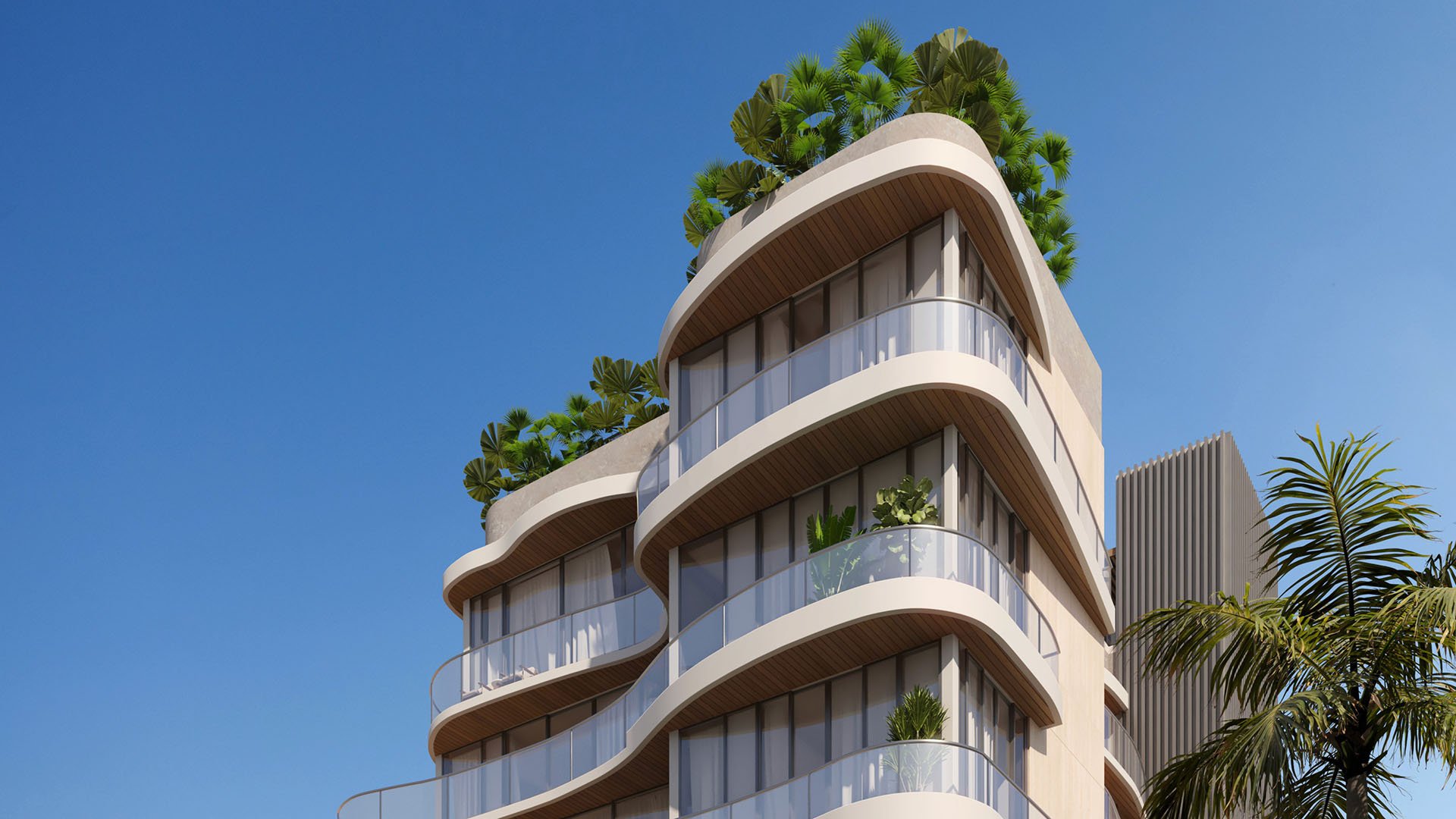
At Mila Bay Harbor Islands, the ownership question extends beyond the appeal of a nine-residence luxury condominium. For a buyer who values discretion, security deserves the same attention as the residence itself: what is controlled, what is recorded, who can retrieve it, and when it is deleted.
The project is located at 1125 97th Street, Bay Harbor Islands, Florida 33154. Its legal developer is identified as 1125 97th Bay Harbor Condo 2618 LLC. These particulars establish the property and development entity-not an operating security program.
The essential distinction is straightforward: advertised secured access is not verified camera coverage. The information provided for this review does not establish a detailed camera layout, active recording areas, or a video-retention period. That calls for written clarification, not an assumption that cameras are absent or the property has a demonstrated vulnerability.
Mila is described as marketed as “Now Selling,” a sales designation rather than documentation of completed building operations. The Penthouse 601 offering advertises secured elevator access, secured garage or parking, and a lobby intercom. These are advertised specifications, not confirmation that the systems are installed, commissioned, or performing as intended.
For an owner, each feature serves a different purpose. Elevator access concerns movement through the building. Garage access concerns entry to parking. An intercom concerns communication and admission. None, by itself, establishes that an encounter is recorded or that a usable recording can later be retrieved.
Before closing, ask the responsible project representative to distinguish proposed equipment from installed equipment, and installed equipment from tested operations. Request written confirmation of who will administer access credentials, handle faults, and maintain the systems. Any future arrangement should be identified as such, not presented as an existing service.
A useful review begins with an authorized examination of the camera placement plan. Ask how proposed or installed coverage relates to entrances, garage approaches, elevator areas, shared amenities, and perimeter spaces. These are areas to examine, not confirmed camera locations or established gaps at Mila.
Undisclosed coverage is not a confirmed blind spot. The information provided does not establish missing cameras, malfunctioning equipment, or specific vulnerable locations. Nor should a general reference to security be read as a promise of comprehensive surveillance.
Ask whether each relevant camera records continuously, responds to motion, or follows another schedule. Request an explanation of how camera status is checked and interruptions are addressed. Where systems are operating, ask for an authorized demonstration of recording and retrieval that does not expose other residents’ private information.
The assessment should also distinguish intended privacy boundaries from unintended omissions. Not every unrecorded space is a defect. The buyer’s objective is to understand the coverage strategy, its limitations, and who is responsible for explaining them. Sensitive placement details should be reviewed discreetly, not circulated as general sales material.
The information provided for this review does not specify whether Mila’s routine footage remains retrievable for 30 days, 60 days, or another interval. Neither example should be treated as Mila’s policy or a universal Florida condominium requirement.
A useful retention policy should distinguish the records an owner may need after an incident. Request written answers for each category:
Routine video: the recording schedule, retention interval, overwrite process, and handling of interruptions.
Preserved incident clips: the preservation trigger, responsible decision-maker, and release or deletion procedure.
Incident records: the retention rules for written accounts, supporting material, and follow-up documentation.
Access and visitor logs: what is collected, how long it is kept, and who may retrieve it.
Exported copies: who may create them, where they are stored, and how deletion is controlled.
The information provided does not establish a formal incident-record retention schedule or separate rules for these supporting records. It likewise does not identify a resident-data retention policy.
Preserving a clip is not the same as preserving an incident file. Ask whether a request can cover associated access entries and visitor records; do not assume every relevant item follows the video schedule. Written procedures should address both routine deletion and exceptions for material that must be preserved.
For a buyer who will spend time away, the practical concern is the interval between an event and its discovery. Ask how an absent owner can submit a preservation request, who receives it, and how receipt is acknowledged. Do not assume that a message to a sales contact initiates an operational hold.
Request a clear escalation route if the initial contact is unavailable. The procedure should explain how the relevant time window and location are identified, and who decides which records need protection from routine deletion. These are recommended questions, not representations of Mila’s current practices.
Privacy deserves equal weight. Ask for the authorized-viewer list or access categories, approval rules, and export procedures. Clarify whether requests are handled through supervised review, an approved copy, or another controlled process. Ownership should not be assumed to confer unrestricted access to recordings of neighbors, guests, or service personnel.
If Alana Bay Harbor Islands is also on a buyer’s shortlist, apply the same documentary standard: separate access specifications from recording coverage, and retention promises from written procedures. This is a comparison framework, not a statement about that project’s systems.
Apply the same approach to Bay Harbor Towers. Without equivalent operational documentation, a meaningful security comparison remains premature. Marketing language alone cannot establish which property offers better coverage, more reliable retrieval, or stronger privacy controls.
For Mila, the closing checklist is specific: camera placement and recording schedules; confirmation of system status; routine and incident-retention policies; visitor and access-log rules; authorized viewing and export procedures; and deletion responsibilities. Ask who maintains each document and how owners will be notified of changes.
The ownership conclusion is measured. Mila’s advertised secured-access features are relevant, but surveillance coverage and incident-record retention require written confirmation. A refined ownership experience should include a clear understanding of operational responsibilities-not simply reassurance that security has been considered.
For a considered approach to South Florida ownership, explore MILLION.
If branded residences are on your mind — as a home or as an allocation — we would be glad to share what we are seeing, privately.
Begin a quiet conversationMila is a condominium project at 1125 97th Street, Bay Harbor Islands, Florida 33154.
Mila is described as a nine-residence luxury development. That scale does not establish its security staffing or surveillance arrangements.
Mila’s legal developer is identified as 1125 97th Bay Harbor Condo 2618 LLC.
The Penthouse 601 offering advertises secured elevator access, secured garage or parking, and a lobby intercom. These specifications do not verify installed or operating systems.
The information provided for this review does not establish active camera locations or comprehensive coverage. Buyers should request the placement plan and confirmation of system status.
No specific blind spots are established by the information provided. Undisclosed camera placement should not be treated as proof of missing or malfunctioning equipment.
The information provided for this review does not specify a retention period. Neither 30 days nor 60 days should be assumed to be Mila’s policy.
Buyers should request separate written rules for routine footage, preserved clips, incident files, access logs, visitor records, and exported copies. Those schedules are not established by the information provided for this review.
No unrestricted viewing entitlement is established here. Ask for authorized-viewer categories, approval procedures, and rules governing review and export.
Request the coverage plan, recording schedule, retention policies, and a documented preservation-request procedure. Clarify the responsible contact and escalation route for incidents discovered while away.