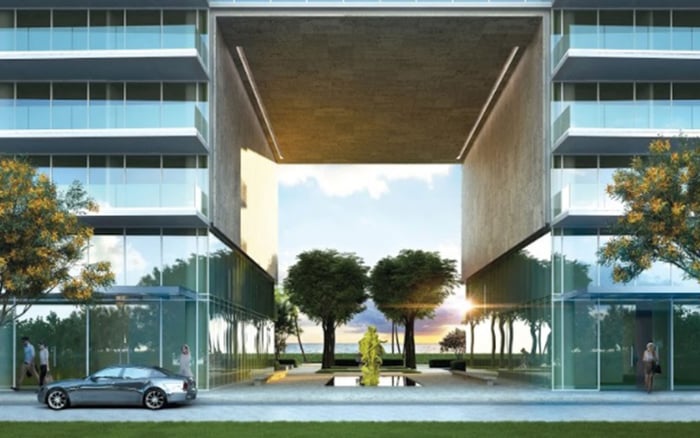
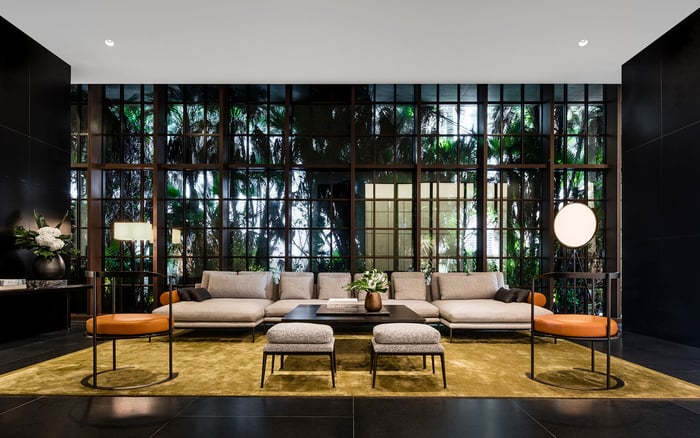
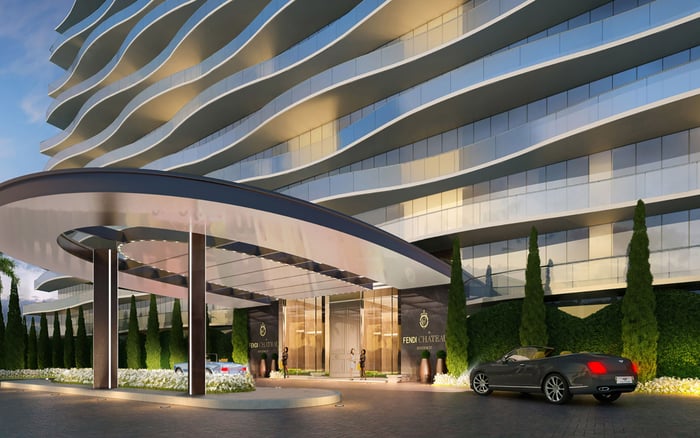
For collectors comparing Fendi Château and Aston Martin Residences, the decisive questions concern private display space, documented lighting performance, specialist services, and written installation permissions, not branding alone.
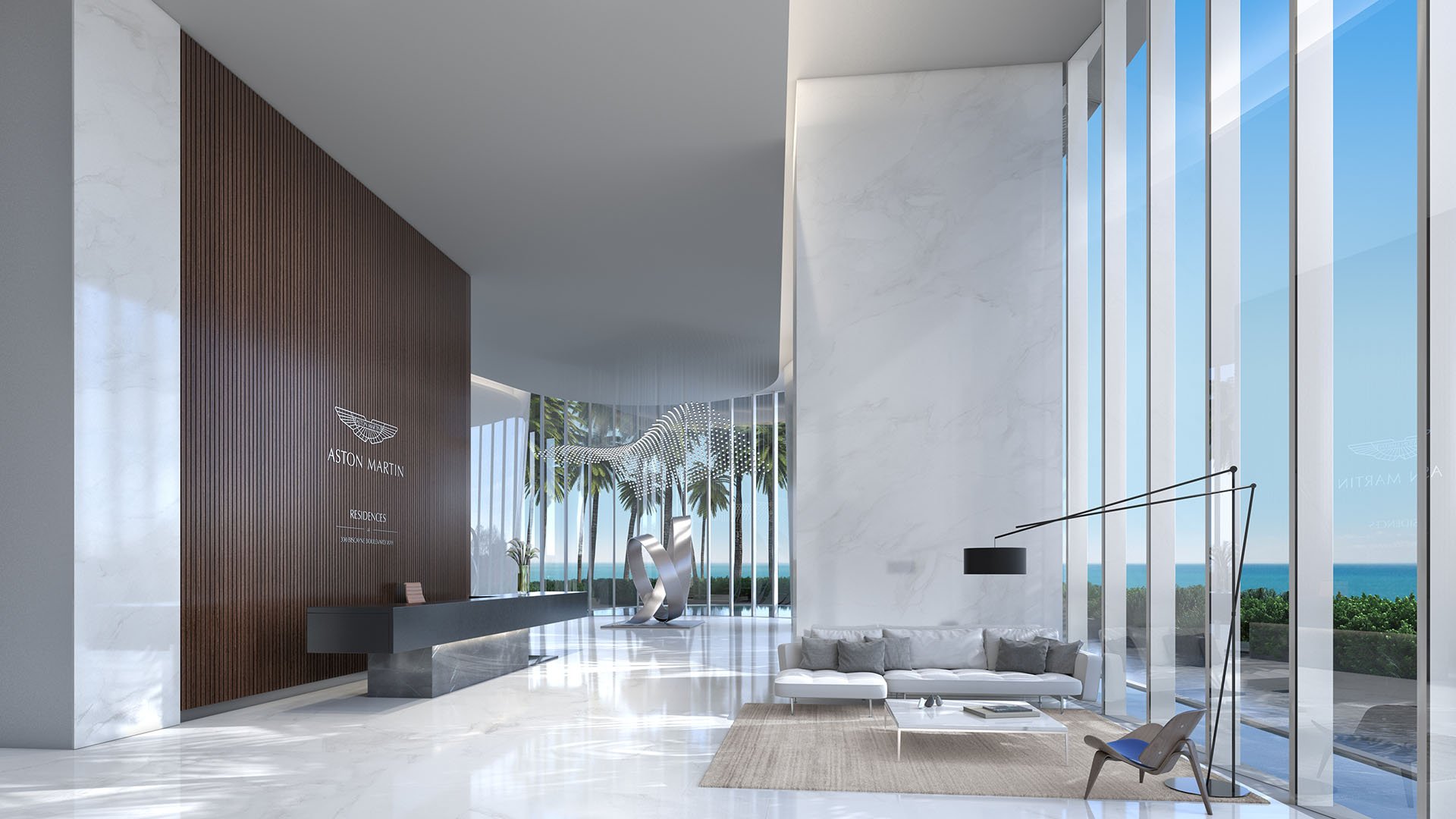
For an art collector, a residence must do more than frame a beautiful object. It must accommodate delivery, installation, display, and eventual removal, with clear responsibility at every stage. When comparing Fendi Château Residences Surfside with Aston Martin Residences Downtown Miami, those operational details deserve as much attention as the interiors.
Here, shared ownership means condominium ownership with shared amenities, not fractional ownership. The distinction matters because a private collection may pass through shared spaces even when every work ultimately hangs inside the residence. Elevators, circulation routes, and potential display locations require separate consideration.
The question is not which brand sounds more compatible with collecting. It is which specific residence, supported by documented services and permissions, can accommodate the buyer’s collection. Neither museum-grade lighting nor specialist collection management should be assumed at either property.
Fendi Château is a 12-story, 58-residence oceanfront condominium at 9349 Collins Avenue in Surfside. Its team includes developer Château Group, architect Arquitectonica, and interior designer Fendi Casa. These facts establish scale and design pedigree, not conservation capabilities.
Dedicated elevators lead into private foyers for each residence, creating an arrival space distinct from shared amenity areas. For a collector, this is a useful starting point for planning the transition from arrival to private display. It does not confirm that a particular crate will fit, that an elevator can carry a sculpture, or that a foyer permits unrestricted installation.
Residences feature 10-foot ceilings. Terraces extend up to 12 feet deep and offer ocean and bay views. These dimensions inform an initial discussion about placement, but ceiling height is not usable hanging height. Terrace depth, likewise, establishes neither permission nor suitability for outdoor art.
Before selecting a residence, have the collection’s dimensions mapped against the actual walls, openings, and proposed delivery route. Treat this as unit-specific due diligence, not a conclusion drawn from general building features.
For the Downtown Miami side of the comparison, apply identical criteria: collection services, lighting performance, installation permissions, and access logistics. Do not assign Aston Martin a technical advantage or disadvantage without written specifications and current operating terms.
An unconfirmed capability is not necessarily an unavailable one. Ask what the building provides, what an owner may commission independently, and what requires review before work begins. A buyer needs clear answers to all three, not simply an assurance that a residence can accommodate art.
If the search also includes One Thousand Museum Downtown Miami, apply the same questions there. A consistent brief makes alternatives easier to evaluate without treating a project name or architectural identity as evidence of collection care.
Museum-grade lighting is not established for either Fendi Château or Aston Martin in this comparison. No specifications are confirmed here for color rendering, illuminance, UV filtration, or conservation-grade temperature and humidity control. Buyers should treat the phrase as a technical question, not an included feature.
Ask a lighting designer and collection conservator to prepare a work-specific brief. It should identify the information needed to evaluate proposed fixtures, daylight exposure, controls, and environmental conditions. Request measured or specified performance rather than relying on the appearance of a furnished interior.
For an existing residence, ask what equipment is installed and what documentation accompanies it. For a proposed alteration, ask whether the intended lighting layout and associated work are permissible. Attractive illumination and documented conservation performance are separate considerations; neither substitutes for the other.
The goal is a written scope distinguishing existing conditions from proposed improvements, with costs and responsibility assigned before purchase decisions depend on them.
Fendi Château’s amenity program includes a wine cellar, library, ballroom, private cinema, and adjacent business center. Private dining spaces include a restaurant with a complete chef’s kitchen and a lounge with a gourmet kitchen. Indoor and outdoor dining areas are described as reserved for residents and their guests.
These spaces may suit a buyer’s preferred way of entertaining. They do not establish inventory management, conservation services, insured art storage, or installation assistance. Nor does the wine cellar establish individual storage allocations or a managed collection service.
Likewise, advertised concierge and security services should not be equated with specialist art handling. Ask who would receive a shipment, who could accept responsibility for it, and whether qualified outside handlers may perform the required work. Keep hospitality arrangements separate from the custody of valuable objects.
Some amenity descriptions reflect the building’s development or opening period. Confirm current availability and operating terms before making any shared facility part of the ownership plan.
A library or ballroom is not automatically a resident exhibition venue. At Fendi Château, the existence of those rooms does not establish a right to display privately owned works. Apply the same evidentiary standard to any proposed installation at Aston Martin.
Request current written installation rules and identify who has authority to approve each element. Ask separately about work inside the residence, in the private foyer, on the terrace, and in shared spaces. Permission for one location should not be assumed to extend to another, nor should concierge assistance be mistaken for authorization.
The logistics request should cover elevator dimensions and load limits, delivery windows, art-handler insurance requirements, and any conditions for moving crated works through the building. These are questions to resolve, not confirmed policies at either property.
For any display outside the unit, seek written clarity on custody, insurance, damage, access, removal, and responsibility for restoring the space. Temporary exhibitions warrant the same specificity. A gracious verbal welcome is no substitute for agreed terms.
The strongest purchase file pairs a residence plan with a collection schedule and a written operational brief. Record what is confirmed, what requires independent specialists, and what remains subject to approval. Resolve any issue that could prevent a significant work from arriving or being displayed before treating the residence as a fit.
Fendi Château offers documented spatial features worth evaluating, particularly its private foyers and ceiling heights. Conclusions about either building’s collection services, conservation lighting, or installation flexibility require more specific confirmation. The preferable residence is the one whose space and written permissions support the collection without ambiguity.
For a discreet exploration of South Florida residences through the lens of your collection, visit MILLION.
If branded residences are on your mind — as a home or as an allocation — we would be glad to share what we are seeing, privately.
Begin a quiet conversationNo. The comparison concerns condominium residences and shared amenities, not fractional ownership.
Fendi Château is a 12-story, 58-residence oceanfront condominium at 9349 Collins Avenue in Surfside.
Dedicated elevators lead into private foyers for each residence. Elevator dimensions, load limits, and installation permissions still need separate confirmation.
Residences feature 10-foot ceiling heights. Buyers should assess actual usable wall space and delivery access for each proposed artwork.
No. Museum-grade lighting performance is not established for either property in this comparison, so buyers should request technical specifications and specialist evaluation.
The comparison does not establish an advantage for either property. Buyers should seek written service scopes for inventory management, conservation, storage, and art handling.
A wine cellar is included among the amenities, but individual allocations and collection-management services are not established.
The library and ballroom do not establish a resident right to exhibit private art. Any proposed display should be addressed through written permission and responsibility terms.
Terraces extend up to 12 feet deep, but that dimension establishes neither installation permission nor suitability. Buyers should seek project-specific approval and a work-specific assessment.
Request written installation rules, elevator dimensions and load limits, delivery windows, and art-handler insurance requirements. For art outside the unit, clarify custody, damage, removal, and restoration responsibilities.