A family-office framework for evaluating The Lincoln Coconut Grove beyond its planned amenities, with written controls for vacant-unit inspections, pest-control entry, maintenance evidence, and owner responsibilities.
For a family office, a residence’s care should remain accountable even when its owner is elsewhere. At The Lincoln Coconut Grove, the acquisition file should extend beyond floor plans and finishes to three practical questions: who checks an unoccupied home, who may enter it, and what evidence remains after service is performed?
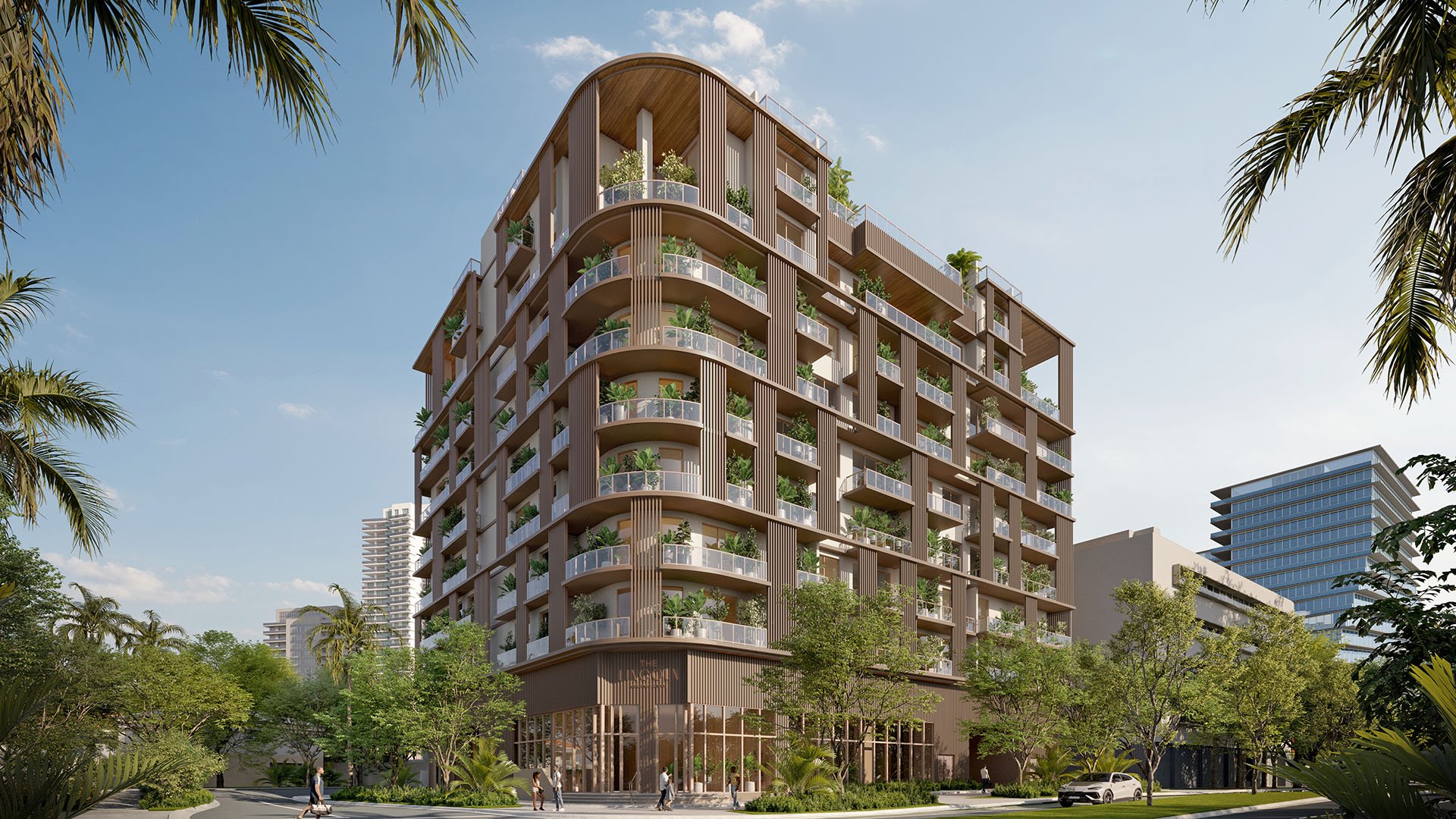
Planned for 2650 Lincoln Avenue in Coconut Grove, the eight-story condominium comprises 48 residences, including six penthouses. LORE Development Group and Element Development are the developers. The planned rooftop pool, wellness spaces, and indoor amenities establish the lifestyle proposition-not a vacant-residence care program.
The Lincoln’s actual inspection requirements, pest-control arrangements, unattended-entry rules, key-custody procedures, and record-retention policy remain unconfirmed. Each requires written resolution rather than an assumption about the benefits of boutique ownership. A useful diligence file separates confirmed obligations, proposed services, and owner-arranged coverage, with a responsible party identified for each.
As of September 2026, construction was underway, with completion targeted for Q3 2028. That is a scheduling target, not a guaranteed delivery date. The family office should distinguish what can be documented during acquisition from procedures that must be reconfirmed before occupancy.
Begin with the declaration, bylaws, rules, and applicable access provisions. Ask counsel to establish the boundaries of routine entry, emergency access, notice, and owner obligations. A sales conversation is no substitute for the documents governing those rights.
Advertised association fees of approximately $1,664-$3,461 per month are marketing figures, not an adopted operating budget. Request a service-by-service allocation identifying association-funded work, optional owner charges, and services requiring a separate provider. Ask specifically whether vacant-unit visits, treatment inside residences, and post-service checks are included, excluded, or still undecided. This keeps an attractive monthly figure from becoming an unsupported operating assumption.
Define a vacant-unit inspection by its deliverables. Request a written checklist covering HVAC operation, filters, plumbing, visible leaks, seals, and balcony drains, with an agreed visit frequency. Distinguish visual checks from tasks requiring a qualified technician. Do not assume an inspection includes maintenance or repair.
Balcony drainage requires an explicit assignment of responsibility, not a passing reference to exterior upkeep. Ask who observes conditions, who arranges corrective work, and how access is handled when the owner is away. Apply the same discipline to any deficiency discovered inside the residence.
For buyers also considering Arbor Coconut Grove, use an identical service questionnaire rather than assuming nearby residences share an operating model.
The proposed agreement should name the inspection provider, a backup contact, the deadline for delivering visit records, and an escalation route. Establish owner-approved spending authority separately from inspection authority. Permission to observe a problem should not imply unlimited permission to commission work.
Pest-control diligence begins with coverage: which spaces does the vendor agreement include? Request the agreement or a written scope identifying common areas, residences, visit frequency, treatment products, and the procedure for additional service. Coverage in shared spaces does not confirm treatment inside a privately owned home.
The Lincoln’s advertised amenities include summer kitchens, a dog park, and a grooming area. Ask how the proposed pest-control scope addresses these spaces and how relevant treatment instructions will reach residents. Their inclusion in the amenity program is a reason to ask-not evidence of an existing protocol or a pest problem.
Before authorizing unattended entry, seek written procedures for:
Owner consent, permitted work, and approved entry windows.
Technician identification and any escort requirement.
Key custody, release, return, and access-log responsibility.
Arrival and departure notifications, with a process for exceptions.
Have counsel distinguish routine vendor authorization from emergency entry rights. The two are not interchangeable.
A completed visit and a resolved condition are different outcomes. Request time-stamped photographs, inspection reports, documented deficiencies, work orders, and evidence of completed corrective work. An invoice can support the payment record without establishing that the original issue was resolved.
Organize the owner’s archive by residence and service event. A practical proposed record identifies the date, provider, authorized scope, observations, action taken, and outstanding follow-up. Link the initial inspection to the resulting work order and completion evidence so the family office can review the full sequence without reconstructing it from messages.
Request a written retention policy and clarify who can retrieve records if management or vendors change. No specific retention period is established here; agree on one rather than assuming a building standard. Restrict photographs and access information to appropriate parties, and keep the owner’s archive distinct from operational key-control information.
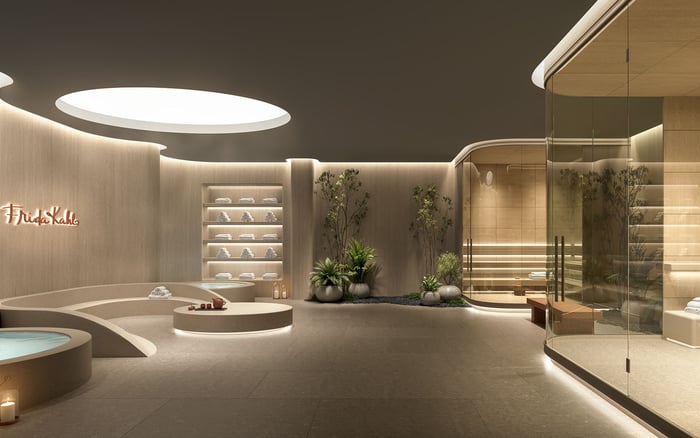
The planned rooftop program includes a 40-foot heated pool, cabanas, and summer kitchens. Planned wellness amenities include a sauna, steam room, and hot and cold plunges. For diligence purposes, these features prompt questions about preventive maintenance, service responsibility, and documentation-not assumptions about service quality.
Request the proposed preventive-maintenance schedules for pool and spa systems, identify the party responsible for arranging service, and clarify the process for recording deficiencies and completion. Ask which records owners may review and how significant unresolved items will be communicated. Keep common-area maintenance distinct from private-residence care in both the budget and the archive.
When evaluating The Well Coconut Grove alongside The Lincoln, apply the same document requests. A consistent comparison should assess written responsibilities and available evidence without implying that either property offers a particular unconfirmed service.
Before relying on a service, assemble a concise responsibility matrix: the task, provider, authorizing party, cost allocation, expected evidence, and escalation contact. Mark unresolved items as unresolved. Ask counsel which material commitments should be reflected in enforceable documents and which require separate owner agreements.
At handover, reconfirm the current rules, approved contacts, entry permissions, and service arrangements. If the association does not undertake vacant-unit care, evaluate an owner-appointed provider subject to the building’s access requirements. Do not defer that decision until the first extended absence.
The objective is not administrative volume. It is a residence whose care can be understood at a glance and substantiated when necessary. For a family office, that clarity is part of the ownership experience: discretion supported by defined authority, documented work, and a reliable path from discovery to resolution.
For a discreet perspective on South Florida ownership and acquisition priorities, explore MILLION.
If branded residences are on your mind — as a home or as an allocation — we would be glad to share what we are seeing, privately.
Begin a quiet conversationThe project is planned as an eight-story, 48-residence condominium at 2650 Lincoln Avenue in Coconut Grove, with six penthouses.
As of September 2026, construction was underway with completion targeted for Q3 2028. That target is not a guaranteed delivery date.
An actual vacant-unit inspection program is not confirmed. Obtain a written scope and responsibility assignment before relying on such a service.
Request checks covering HVAC, filters, plumbing, visible leaks, seals, and balcony drains. Define visit frequency and distinguish observation from maintenance or repair.
No. The advertised range of approximately $1,664–$3,461 per month is a marketing figure, not an adopted operating budget or confirmation of in-unit service coverage.
Request the vendor agreement or written scope identifying covered spaces, frequency, products, and additional-service procedures. Confirm private-residence coverage separately from common-area treatment.
Seek written authorization, entry windows, technician identification, key-custody procedures, access logs, and notifications. Have counsel distinguish routine permission from emergency access rights.
Request the declaration, bylaws, rules, and applicable access provisions. Counsel should assess notice requirements, entry rights, emergency access, and owner obligations.
Request time-stamped photographs, inspection reports, deficiencies, work orders, and completion evidence. Connect the initial finding to the corrective work in a central owner archive.
No. Planned pool, wellness, outdoor kitchen, and pet amenities do not confirm maintenance schedules, vacant-unit care, or pest-control protocols.