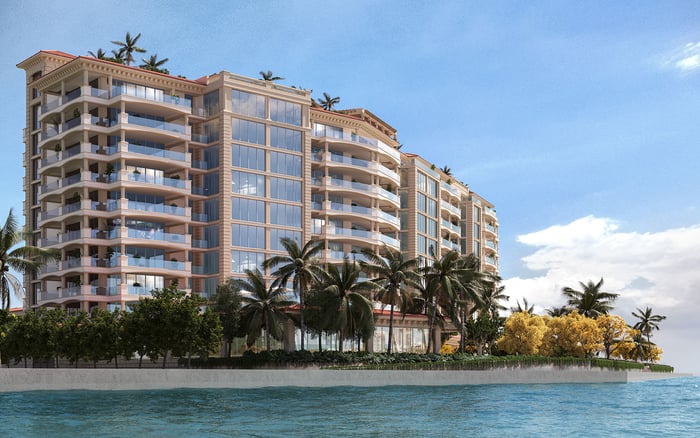
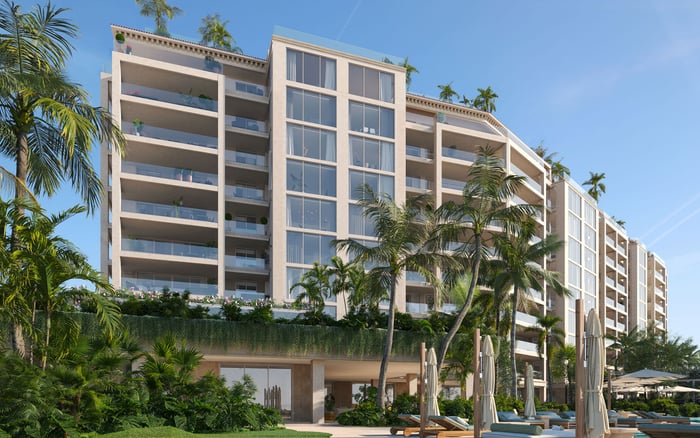
Choosing between Fisher Island and Key Biscayne requires more than a lifestyle comparison. Building eligibility, appraisal support, ownership obligations, and contract terms should shape the purchase strategy before an offer is made.
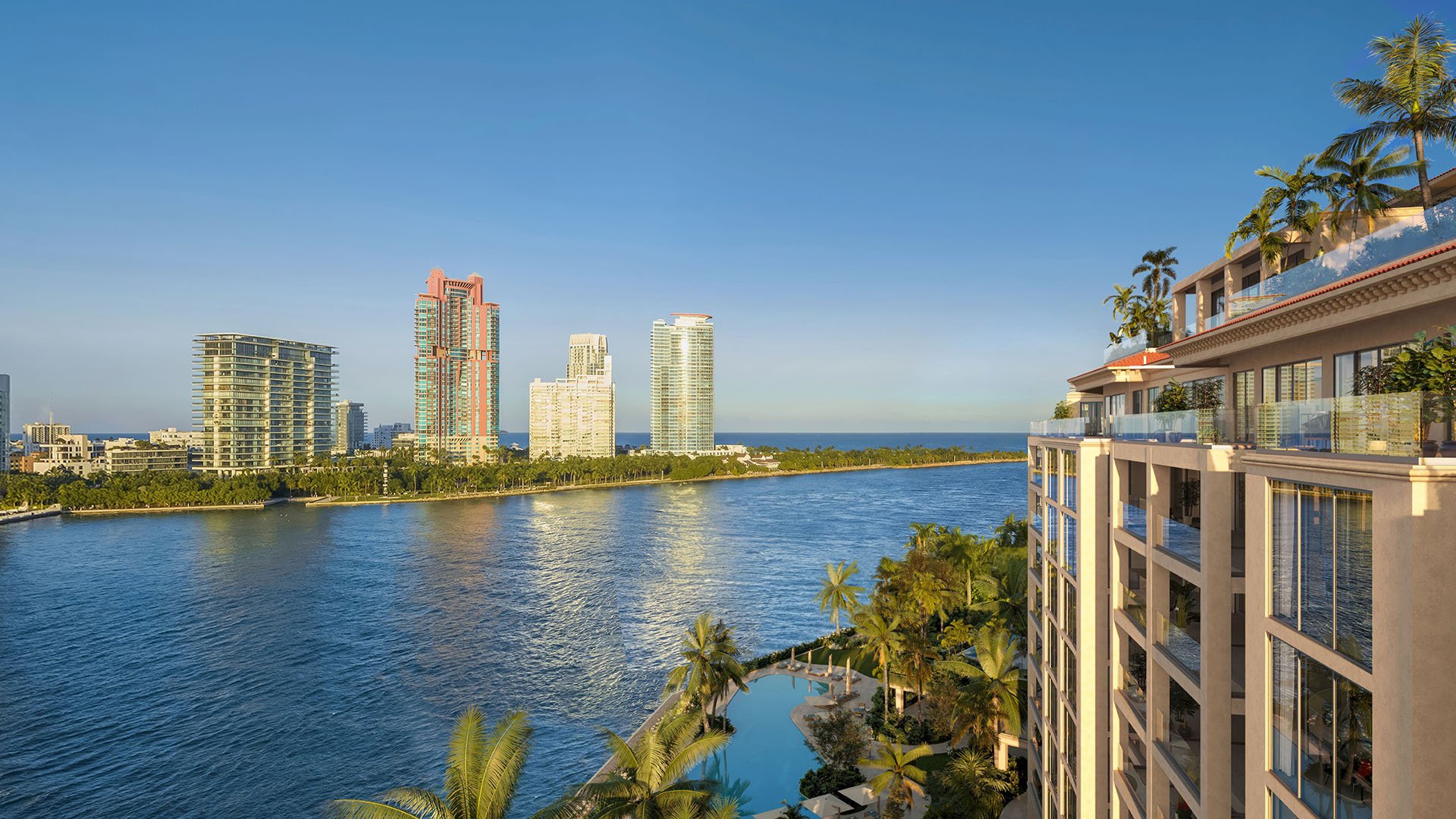
The decision between Fisher Island and Key Biscayne is not simply a choice of setting. For a buyer preserving liquidity, coordinating international assets, or balancing a purchase against another transaction, the mechanics behind the address deserve equal attention. Financing eligibility, valuation support, ownership obligations, and the purchase agreement can matter as much as the residence itself.
Neither island should be treated as inherently easier to finance. The more useful comparison is between specific properties, their governing documents, and the lender programs available to the purchaser. Confidence in an acquisition comes from aligning those elements before making binding commitments.
For a financed condominium purchase on Fisher Island, begin with a lender comfortable with large luxury condominiums and substantial association dues. The review should extend beyond personal income and assets to the building's reserves, litigation, and special assessments. Each can affect mortgage approval.
A residence at Palazzo del Sol warrants that property-specific review; the island's prestige does not establish lending eligibility. Ask the lender to evaluate the association package as soon as it becomes available, and distinguish borrower preapproval from acceptance of the condominium itself.
The advantage is earlier clarity. If a lender identifies an issue, the buyer can assess another program, reconsider the equity commitment, or revisit the purchase before the transaction advances further. An attractive rate is only one element of a useful financing proposal. The lender's ability to evaluate the actual collateral deserves equal weight.
Jumbo financing and cash are common routes for Key Biscayne luxury purchases, but the requested loan amount determines whether jumbo financing is relevant. Borrowers should anticipate detailed income, asset, and reserve documentation and consider completing lender underwriting early.
Some jumbo programs offer down payments of 10-20% for strong borrowers purchasing in warrantable buildings. That range is neither an island-wide minimum nor a promise of availability. Non-warrantable condominiums, super-jumbo loans, and foreign-national programs can require more equity. Request terms for the actual borrower and property rather than budgeting from a headline percentage.
Valuation deserves a separate discussion. Scarce comparable sales can complicate appraisals for unique waterfront houses and upper-tier condominiums. For a buyer considering Oceana Key Biscayne, the useful question is not whether the address is desirable, but how the agreed price can be supported within the lender's appraisal process. This is a diligence question, not a conclusion about the project's valuation.
Before signing, ask the lender and counsel to outline the response to an appraisal below the contract price. Consider available liquidity and any negotiated appraisal protection without assuming the seller must reduce the price or extend the closing.
A meaningful resale comparison should place financial and maintenance documents beside the floor plan. For applicable Key Biscayne condominium buildings, milestone-inspection documentation and Structural Integrity Reserve Study materials are important for evaluating maintenance exposure and potential assessments.
On Fisher Island, reserves, litigation, and special assessments also warrant early attention because they can influence financing approval. A comparison involving Palazzo della Luna should therefore include a request for its current, property-specific documents-not assumptions drawn from another building's position.
Ask the lender which materials it needs, then have the appropriate advisers examine obligations that could affect the ownership budget. Keep three questions distinct: whether financing is available, whether anticipated carrying costs are acceptable, and whether sufficient liquidity remains for potential assessments. A favorable answer to one does not settle the others.
Fisher Island adds an important distinction between master-association membership and club arrangements. Fisher Island Community Association, or FICA, funds ferry operations, security, and shared infrastructure. Membership arises automatically upon taking title.
Review club membership separately. Do not assume that the deed alone grants club privileges or that enrollment requirements are identical for every property. Have counsel confirm the applicable governing documents, membership obligations, access conditions, and charges before treating those privileges as part of the purchase.
The purchaser's proposed title structure also belongs in the early legal and financing discussion. Ask counsel and the lender to confirm who will take title and whether that arrangement fits the proposed loan. This is a transaction-specific decision, not a reason to presume either island offers superior title protection.
Keep three questions separate: what is being conveyed, which obligations accompany ownership, and which privileges require a separate arrangement. Clear answers are more valuable than broad assurances about an island address.
A lack of U.S. credit history need not end the financing conversation. Certain international-buyer mortgage programs do not require it, subject to qualification. Applicants may still need identity documents, income and asset evidence, employment and residency histories, bank statements, and proof of deposit.
Some programs also require U.S.-banked purchase funds at closing and satisfactory contract, appraisal, and title review. Confirm these conditions with the chosen lender rather than treating them as universal requirements.
The priority is to align documentation, funding, and contract dates. Before agreeing to a compressed closing schedule, ask what must be delivered, in what form, and by which deadline.
Pre-construction changes the liquidity discussion. General Miami purchase structures can involve scheduled deposits totaling 20-50% of the price, with mortgage financing needed at delivery rather than during construction. Those figures are not a verified payment schedule for The Residences at Six Fisher Island. Obtain the actual deposit schedule and financing provisions for the residence under consideration.
For either island, address closing flexibility expressly in negotiations. Ask counsel to examine financing and appraisal conditions, document-delivery deadlines, title review, and any proposed extension language. Do not build the purchase plan around an assumed right to delay closing.
Budget for financing-related costs as well. Recorded Florida mortgages carry documentary stamp tax of $0.35 per $100 of the amount secured, without a cap. This is one cost to confirm within the closing estimate, not a complete measure of transaction expenses.
The strongest case for either island is ultimately property-specific: acceptable obligations, a workable financing path, credible valuation support, and contract terms that suit the buyer's timing and liquidity. Let those findings refine the lifestyle decision rather than follow it.
Explore an island purchase strategy with MILLION.
If branded residences are on your mind — as a home or as an allocation — we would be glad to share what we are seeing, privately.
Begin a quiet conversationNeither island should be presumed harder to finance. Eligibility depends on the borrower, the specific property, its association documents where applicable, and the lender's program.
Building reserves, litigation, special assessments, and substantial association dues deserve early lender review. Borrower preapproval should not be confused with acceptance of the building.
Some jumbo programs advertise that range for strong, warrantable files. Non-warrantable buildings, super-jumbo loans, and foreign-national programs can require larger down payments.
Scarce comparable sales can complicate valuation, particularly for unique waterfront houses and upper-tier condominiums. Buyers should discuss valuation support and a potential appraisal shortfall before signing.
For applicable Key Biscayne buildings, milestone-inspection documentation and Structural Integrity Reserve Study materials help evaluate maintenance exposure and potential assessments. Buyers should also review relevant association financial documents.
Buyers should not assume that taking title grants club privileges. FICA membership arises automatically with ownership, while club access and enrollment obligations require property-specific verification.
Certain international-buyer programs do not require U.S. credit history, subject to qualification. Identity, income, asset, residency, and other documentation may still be required.
Some international mortgage programs require U.S.-banked purchase funds at closing. Confirm the chosen program's requirements and funding deadlines early.
The 20–50% range describes general Miami preconstruction structures, not a verified schedule for Six Fisher Island. Buyers should obtain the actual purchase agreement and deposit terms.
An island address does not establish a right to extend closing. Counsel should review the actual agreement's deadlines, conditions, and any negotiated extension provisions.