Tula’s future owner-controlled board may materially influence assessments, reserves, staffing and the character of its resort-style service after turnover.
For a buyer considering Tula Residences North Bay Village, the residence itself is only one part of the acquisition. The other is entry into a 54-home association responsible for operating a substantial collection of amenities and services. Once owners elect and control the board, decisions about staffing, contracts, maintenance standards, insurance and reserves can shape both carrying costs and daily life.
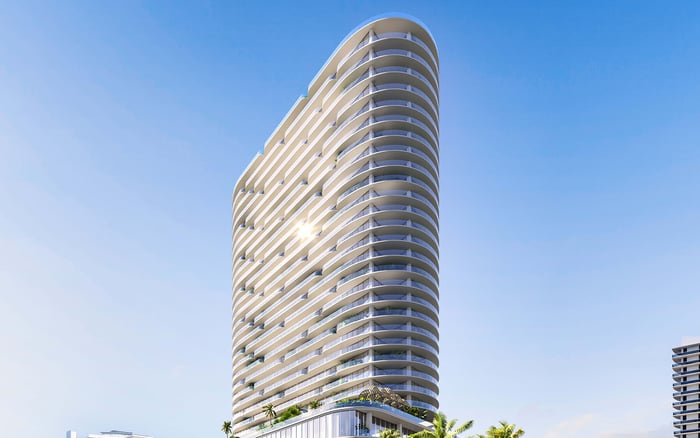
Planned for 7918 West Drive, Tula is a 21-story waterfront condominium with 54 luxury residences, including six penthouses. Bayshore Grove Capital is identified as the developer, with architecture by M77R and interiors by Shannon Farrell Design. Completion is targeted for 2027, so buyers are evaluating projected expenses rather than an established operating record.
At Tula, preserving a resort-style experience while controlling assessments may become the board’s defining balance.
Pre-opening estimates place average association fees between $2,916 and $6,660 per month, depending on the residence. That equates to approximately $34,992 to $79,920 annually, before future budget revisions or special assessments. Buyers should request the estimate assigned to the specific residence under consideration rather than apply the building-wide range indiscriminately.
Those figures are not a permanent promise. They reflect assumptions made before the association has experienced its actual payroll, insurance, utilities, repairs, maintenance contracts and amenity consumption. Pricing has also varied by release, from approximately $1.995 million to $5.995 million at one stage and from $2.4 million to $6.9 million later in construction. Current purchase terms and disclosures should therefore take precedence over earlier marketing snapshots.
For pre-construction purchasers, the essential question is not simply whether the first-year assessment feels acceptable. It is whether the proposed budget appears capable of supporting the advertised experience without relying on optimistic operating assumptions.
Board elections give owners a voice in the priorities that guide the association. Tula’s governing documents should confirm the precise transition mechanics, voting rights and scope of board authority. In practical terms, however, an owner-controlled board can make consequential choices within those documents and applicable requirements.
Staffing is likely to command close attention. Tula markets a 24-hour concierge, making front-desk coverage and related management meaningful operating considerations. Owners may favor preserving a highly attentive service model, pursuing competitive contracts or adjusting service intensity. Each approach can affect both the monthly assessment and the atmosphere residents encounter on arrival.
Reserves and preventive maintenance present a similar choice. A board focused narrowly on near-term fees may defer discretionary work, while a more conservative board may prioritize planned funding and regular upkeep. Investment owners and primary residents can sometimes view that balance differently, making candidate priorities and participation in meetings especially relevant.
The board may also review vendor performance, operating procedures and amenity policies. It cannot make costs disappear. It can determine how transparently tradeoffs are presented, how bids are evaluated and which elements of service merit protection.
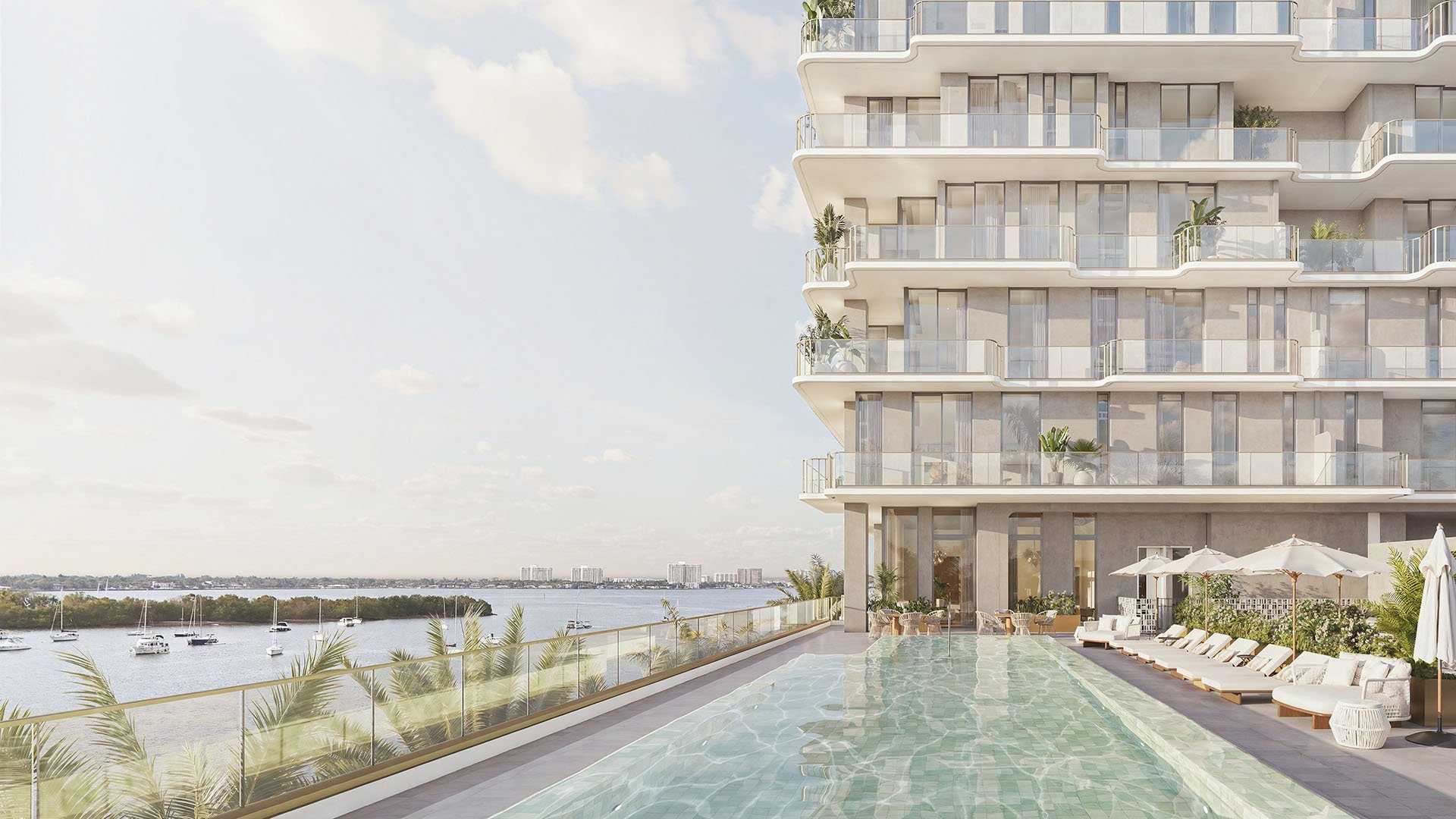
Tula’s program is broad for a building of 54 residences. Plans include a resort-style pool, landscaped deck, private cabanas, and panoramic views of Biscayne Bay and the Miami skyline. A sixth-floor amenity suite is intended to combine indoor and outdoor wellness and social spaces.
The planned fitness center spans roughly 2,100 square feet. Its equipment, cleaning, utilities and maintenance will become recurring operating considerations. The social program includes a skyline club room available for private bookings; a great room with a marble fireplace and bayfront views; a media or screening room; and a private dining room for 12 with a chef’s warming kitchen.
Additional marketed features include a pet spa, secure package room, above-ground parking garage, EV-ready parking and optional private storage. Waterfront exposure and a refined amenity environment are central to Tula’s appeal, but every staffed desk, conditioned room and maintained outdoor area contributes to the association’s cost profile.
Lifestyle preferences will therefore matter in elections. Owners who regularly use the wellness and social spaces may support a fuller service standard. Others may emphasize efficiency. The most productive board debate will distinguish thoughtful savings from reductions that could alter the experience buyers originally selected.
Low density can offer discretion, but it also concentrates shared obligations among fewer owners. At Tula, only 54 residences are expected to support the common operation. A material change in insurance, staffing, maintenance or reserve funding may therefore have a noticeable per-residence effect.
That structure makes budget literacy unusually valuable. Buyers should examine how expenses are allocated, which services are included, what remains individually payable and whether optional features carry separate charges. They should also consider how different assessment scenarios fit their long-term ownership plan, not merely their purchase budget.
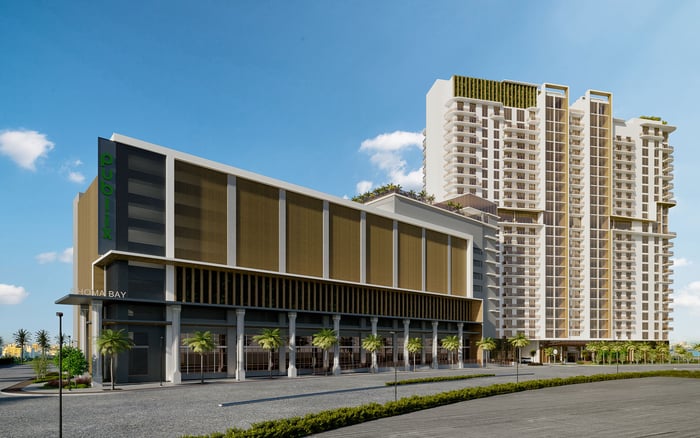
The same lens can sharpen local comparisons. Buyers assessing Continuum Club & Residences North Bay Village and Shoma Bay North Bay Village should compare unit-specific fees, service scope and governance documents rather than treat quoted monthly figures as interchangeable. Nearby La Baia North Bay Harbor Islands can broaden the comparison, but each association has its own cost structure and operating priorities.
The absence of a post-turnover operating history changes the buyer’s task. Tula has no recent condominium sales to establish a resale and carrying-cost record. The proposed budget and developer disclosures must therefore carry more analytical weight.
Request the current purchase agreement, condominium declaration, proposed budget, fee schedule and amendments. Confirm the assessment for the selected residence, what it includes and whether any separately billed services are contemplated. Review the assumptions for concierge coverage, management, insurance, utilities, cleaning, maintenance and reserves.
Ask how amenity bookings may be governed and whether private dining or club-room use could involve charges. Clarify parking, EV readiness and optional storage terms. Compare the current completion schedule and amenity descriptions with the governing documents rather than relying exclusively on presentation materials.
Prospective owners should also read the board provisions closely, including election timing, voting allocation, turnover procedures and the scope of board discretion. Legal and financial advisers can help interpret obligations and model the consequences of revised assessments.
Tula’s view corridors, boutique scale and extensive program create an appealing proposition. Yet prudent ownership requires recognizing that the initial fee is a starting estimate, not a fixed lifetime cost. Insurance, labor, utilities, maintenance and reserve decisions can all evolve after opening.
The strongest buyers will evaluate two dimensions of value at once: the private residence and the shared institution that maintains it. A capable owner-controlled board may preserve service while tightening procurement and improving transparency. It may also determine that higher recurring assessments are justified to protect the full resort-style experience. Either outcome should be judged against the documents, the owners’ priorities and the actual cost of operating the property.
For private guidance on Tula and South Florida’s luxury condominium market, connect with MILLION.
If branded residences are on your mind — as a home or as an allocation — we would be glad to share what we are seeing, privately.
Begin a quiet conversationTula Residences is planned for 7918 West Drive in North Bay Village.
The 21-story project is planned with 54 luxury residences, including six penthouses.
One pre-opening estimate places average monthly fees from $2,916 to $6,660, depending on the residence.
The stated monthly range equals approximately $34,992 to $79,920 per year before revisions or special assessments.
A board may review staffing, contracts and service intensity, but actual costs cannot be eliminated and savings may change the resident experience.
Only 54 residences are expected to share the building’s common operating expenses and extensive amenity program.
The 24-hour concierge, pool deck, fitness center, social rooms, pet spa and other common facilities require ongoing staffing, utilities or maintenance.
No. They are pre-opening estimates that may change once actual insurance, payroll, utility, maintenance and reserve costs are known.
Review the current purchase agreement, condominium declaration, proposed budget, fee schedule, amendments and developer disclosures with qualified advisers.
The project targets completion in 2027, although buyers should confirm the current schedule in the latest documents.