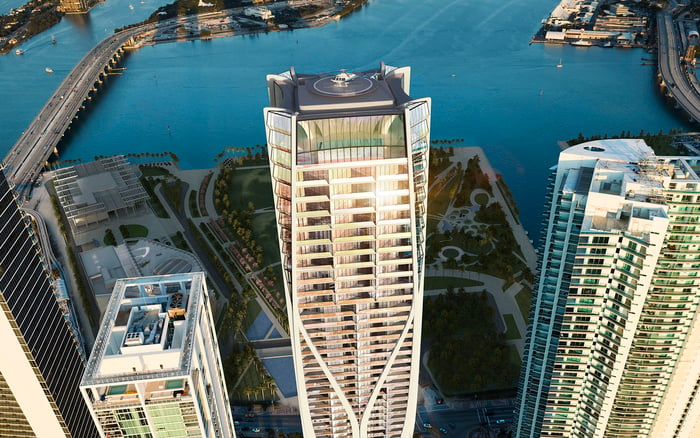
For serious collectors, a waterfront address is only the opening criterion. The more consequential questions concern crate movement, association approvals, dock control, installation logistics, and the systems that protect art through South Florida’s demanding climate.
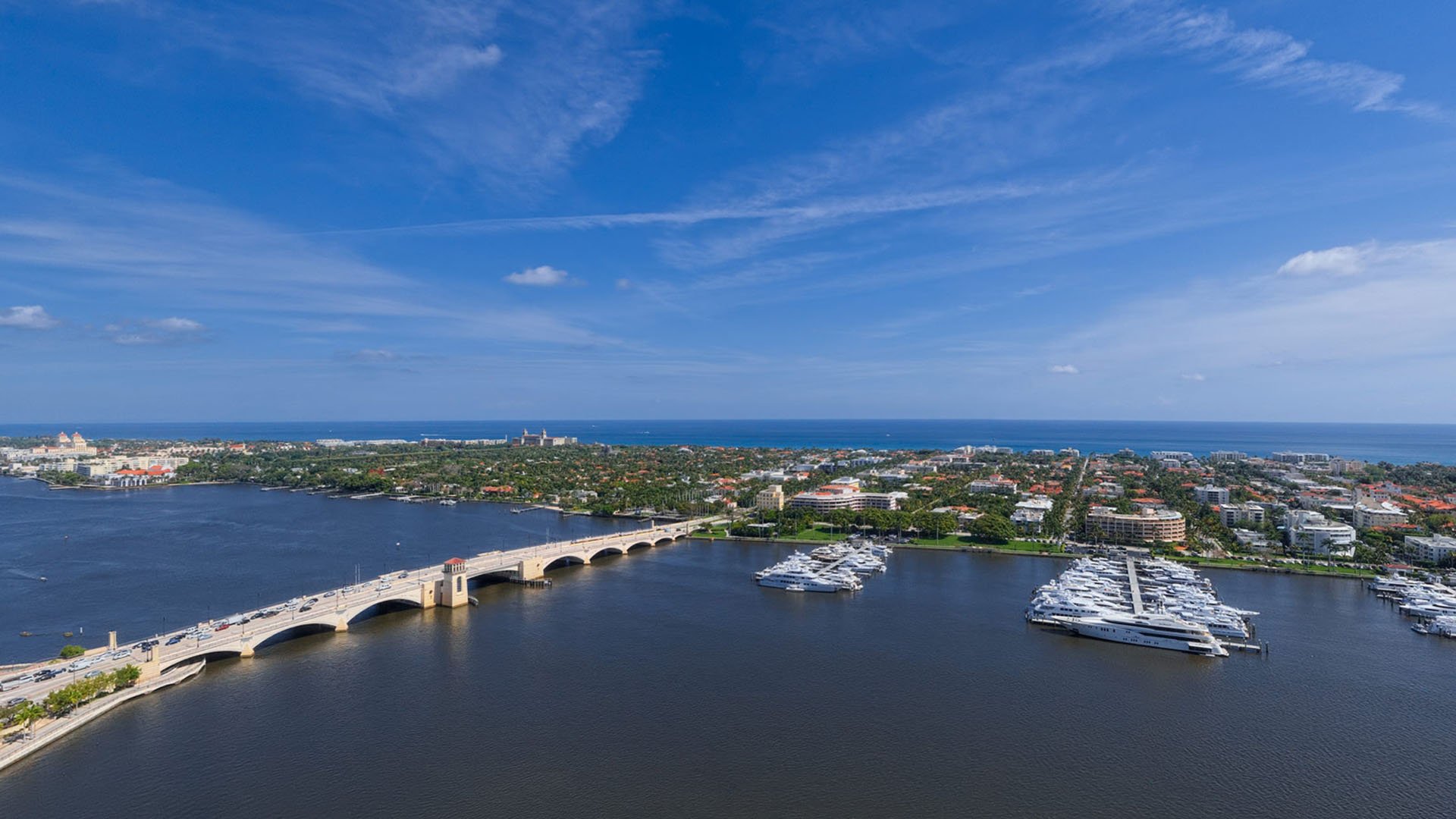
For an art buyer, the best waterfront residence is not necessarily the one with the most theatrical view. It is the home where a crated work can move from truck to wall without avoidable risk, installation permissions are clear, and building systems support the collection’s environmental needs. In Palm Beach County, those questions belong alongside privacy, outlook, service, and architecture.
The search may begin with The Ritz-Carlton Residences® Palm Beach Gardens, but a project overview is an introduction rather than a substitute for technical review. Buyers should request current freight-elevator dimensions, loading procedures, approved delivery hours, mover insurance requirements, protective-covering rules, and restrictions on staging crates in common areas. The relevant standard is not simply whether a building has an elevator, but whether the complete delivery path can accommodate the collection.
For a collector, the complete route from loading point to wall matters more than the address alone.
Freight facilities and loading areas are useful screening criteria, but their labels do not establish whether a specific work can be delivered safely. Buyers should obtain the clear dimensions of loading and elevator doors, the elevator cab’s interior measurements and capacity, corridor turning space, ceiling clearances, and the tightest point between the loading area and residence.
At Alba West Palm Beach, as with any candidate, a collector’s inspection should physically trace that route and compare it with the largest anticipated crate. Buyers should also ask whether deliveries require reservations, deposits, certificates of insurance, staff supervision, surface protection, or limited scheduling. Such requirements can influence acquisition timing and installation planning even when the residence itself offers ample space.
Ceiling height is only an initial consideration for large-format display. Dropped ceilings, lighting tracks, sprinklers, air diffusers, shades, millwork, and door heads can reduce usable clearance. A proper art plan should map both the arrival route and the final display area, including backing, power, lighting, sightlines, and safe installer access.
Waterfront positioning should not be treated as proof that an owner controls the shoreline, seawall, lawn, dock, or route to the water. Buyers should review the property’s governing documents, plans, dock assignments, easements, rules, and written approvals with qualified advisers before relying on any proposed waterside use.
This review is essential for anyone considering dockside crate handling or a boat slip as part of an acquisition strategy. An advertised dock or marina feature may have a particular ownership, assignment, or use structure that must be understood before purchase. The practical question is whether the owner has documented rights that support the intended activity.
At Glass House Boca Raton, the right question is not simply whether water is nearby. It is whether a proposed delivery method is permitted, insured, dimensionally workable, and operationally acceptable to management. Collectors should use conventional delivery planning as the baseline unless every part of an alternative arrival has been confirmed in writing.
A buyer should not presume that a new or altered waterside structure will be available or approved merely because it could simplify art delivery. Any such plan should receive property-specific legal, association, municipal, insurance, marine, and art-handling review before it becomes part of the purchase decision.
Even an existing dock may not be an appropriate transfer point for valuable work. The buyer’s specialists should assess vessel movement, surface capacity, lift permissions, environmental exposure, weather contingencies, secure staging, and the uninterrupted path indoors. These conditions should be verified rather than inferred from waterfront marketing.
A written logistics plan should identify every participant, required approval, insurance document, protective measure, and fallback method. If dockside handling is central to the purchase, the buyer should seek confirmation from each party whose consent or cooperation would be required.
Interior installations may be subject to building procedures concerning drilling, structural attachment, electrical work, floor protection, lift equipment, noise, debris removal, and contractor access. Buyers should obtain the current alteration agreement and move rules, then ask management to identify the approvals relevant to art installers. Valuable works may also call for coordinated planning among the owner’s adviser, conservator, handler, electrician, lighting designer, insurer, and building engineer.
Exterior artwork requires separate scrutiny because it can affect the property’s exterior appearance or shared areas. Before committing to a mural, sculpture, façade attachment, terrace installation, or other visible work, the buyer should determine which association reviews and governmental approvals may apply. Timing, access, attachment methods, maintenance, removal, and restoration obligations should all be addressed in writing.
The Residences at Mandarin Oriental Boca Raton illustrates the type of premium candidate that should receive collection-specific scrutiny before selection. Design and architectural appeal can establish emotional fit, but written installation permissions establish practical fit.
Climate suitability for art cannot be established by a view, finish schedule, or broad amenity description. Buyers should request written details on HVAC continuity, backup-power scope, glazing, water-intrusion protocols, emergency response, and maintenance responsibilities. They should also ask which systems remain operational during an outage and how management communicates prolonged disruptions.
A collector’s technical team should evaluate temperature and relative-humidity consistency for the actual collection rather than rely on a universal target. Solar exposure, glazing area, exterior walls, terrace doors, air distribution, occupancy patterns, and display locations may all influence interior conditions. Leak detection, condensate management, maintenance history, and post-storm procedures deserve equal attention.
The strongest purchase file combines building documents with a residence-level assessment. It records freight measurements, installation conditions, waterfront rights, climate-control capabilities, emergency procedures, and written approvals. That discipline helps a Palm Beach County residence support the collection rather than merely frame it.
Before contract, compare candidates through coordinated reviews of the art-handling route, installation and waterfront rights, and environmental continuity. Any exceptional delivery method or installation plan should depend on written confirmation from the parties whose consent is required.
For a private consultation on Palm Beach County residences suited to a collection-led lifestyle, connect with MILLION.
If branded residences are on your mind — as a home or as an allocation — we would be glad to share what we are seeing, privately.
Begin a quiet conversationRequest loading-door and elevator dimensions, capacity information, corridor clearances, delivery hours, insurance requirements, and staging rules.
No. The complete route from the loading point to the final display area must accommodate the crate, handlers, protective materials, and necessary equipment.
Review finished conditions rather than relying only on the stated ceiling height. Lighting, sprinklers, shades, millwork, and door heads may affect usable clearance.
Not necessarily. Buyers should verify shoreline, seawall, dock, and access rights through the property’s governing documents and written approvals.
A buyer should not assume that such a structure will be permitted. The proposal requires property-specific review by the relevant association, governmental, insurance, marine, and art-handling specialists.
Verify its ownership or use structure, assignment, easements, governing rules, and whether the proposed delivery activity is allowed.
No. Specialists should evaluate access, surface capacity, environmental exposure, permissions, secure staging, and the complete route indoors.
They may be subject to association procedures or governmental approvals. Buyers should verify applicable requirements before committing to an exterior installation.
Request current alteration agreements, move rules, contractor requirements, insurance standards, and written confirmation of installation approvals.
Buyers should examine HVAC continuity, backup-power scope, glazing, leak and water-intrusion protocols, emergency response, maintenance responsibilities, and residence-specific environmental conditions.