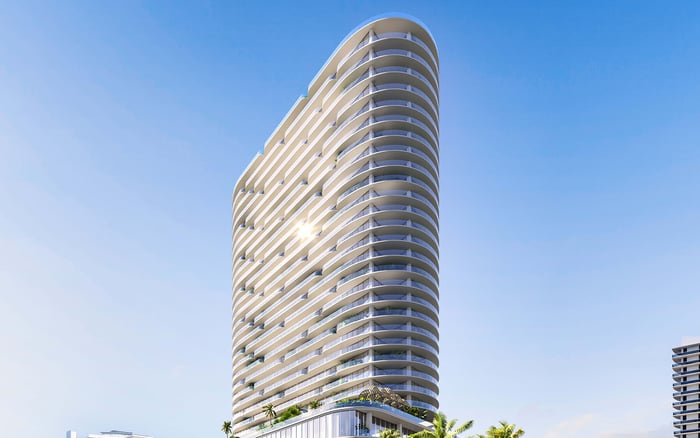
At Continuum Club & Residences North Bay Village, the essential diligence is not simply what amenities are advertised, but when they can be used. Buyers should resolve maintenance schedules, peak-season booking rights, residence calendars, and conflicting cost and rental terms before relying on a seasonal ownership plan.
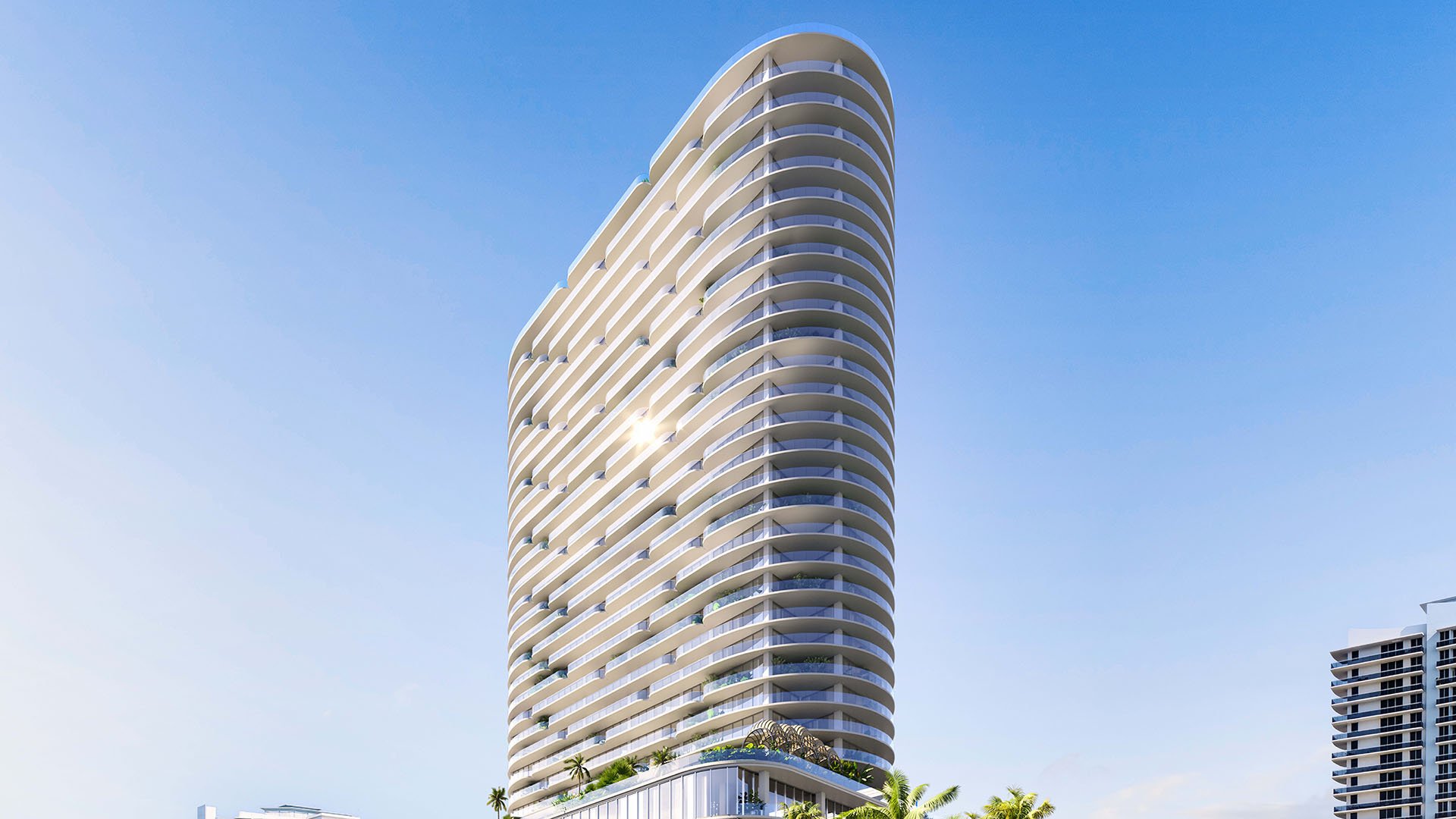
For a buyer selecting Continuum Club & Residences North Bay Village, the decisive luxury may be the ability to enjoy the property on precisely the dates that matter. A winter stay, a family holiday, or an afternoon aboard a yacht requires more than an attractive amenity description. It requires clear operating rights.
The project is advertised at 1755 79th Street Causeway on Biscayne Bay, with one- to four-bedroom residences and penthouses. Its advertised amenity program exceeds 60,000 square feet and includes a waterfront pool, full-service spa, waterfront restaurant, and yacht-club membership. The advertised 2027 delivery estimate is not a guaranteed closing date.
The key distinction is simple: the available project information establishes no definitive annual maintenance-blackout, peak-season reservation, or residence-use calendar. That does not mean such documents do not exist, nor does it establish recurring closures. Buyers should request the schedules and agreements that distinguish private-residence access from amenity availability.
The word blackout can conceal very different conditions. A spa treatment room closed for servicing is not equivalent to restricted access to a residence. Before assessing any closure, ask exactly what becomes unavailable, for how long, and under whose authority.
Request separate written schedules for common elements, individual amenities, and yacht services. For each, identify planned shutdowns, advance-notice procedures, the party responsible for updates, and whether dates can change. Ask specifically about elevators, façade work, docks, and any work that could affect arrivals or circulation through the property.
A residence-use calendar also needs a clear definition. Does it record owner occupancy, tenant stays, maintenance appointments, or developer use? Do not interpret an administrative calendar as an occupancy restriction without the governing language. Equally, do not assume that a sales description resolves every access condition.
For seasonal owners, even a brief closure can overlap with a substantial share of an intended stay. Obtain the first-year amenity operating calendar, then ask how subsequent annual schedules will be published and amended.
The request should cover pool servicing, spa shutdowns, restaurant operating periods, and any proposed restrictions during developer events. Ask whether facilities are expected to open together or on different dates, and whether advertised services will be available when the residence is delivered. These are questions to resolve, not established project conditions.
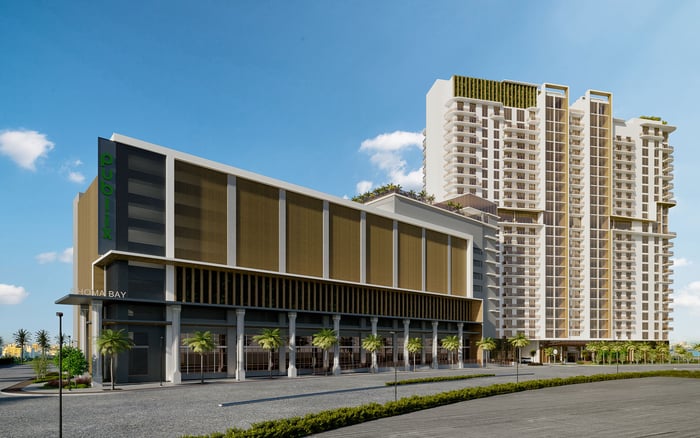
If Shoma Bay North Bay Village is also on a buyer's shortlist, apply the same calendar review independently. A useful neighborhood comparison evaluates each property's written operating terms rather than assuming nearby developments share access policies.
Yacht-related marketing describes priority booking and member-app services. Neither establishes a quantified annual reservation entitlement. The available description also leaves guaranteed peak-season allocations, blackout dates, cancellation rules, and service-level commitments undefined.
Ask for a written explanation of booking windows and priority: when owners may reserve, whether guests receive different treatment, how waitlists work, and how many reservations may be held concurrently. Clarify cancellation penalties and restrictions during developer events.
Then test those rules against a hypothetical personal itinerary. Ask how they apply to December-April stays, holidays, major events, and school breaks. A useful response should explain whether access on the requested dates is guaranteed, subject to availability, or governed by another stated condition. Priority alone does not answer that question.
For buyers also considering Continuum on South Beach in Miami Beach, keep the diligence files separate. Do not transfer reservation expectations or operating assumptions between properties on the strength of a shared name.
Yacht-club marketing describes access to a fleet of approximately 50- to 100-foot luxury yachts. The advertised membership period runs from contract signing through one year after move-in, but that duration should be verified in the membership agreement.
Ask what starts and ends the membership term, how move-in is defined, and what happens if delivery timing changes. Establish whether continued membership requires renewal and what charges would apply. The offering's practical value depends on both its duration and the reservations it allows owners to use.
Separate condominium assessments from club dues and trip-specific expenses. Request written terms for usage fees, fuel, staffing, and food-and-beverage minimums, specifying which, if any, apply. Also ask who administers reservations and handles cancellations. Do not assume any of these costs are included merely because membership appears in the amenity description.
A seasonal ownership plan can fail on a single misunderstood lease term. Advertised rental policies conflict: one describes a 90-day minimum, another a one-month minimum. Both describe up to three rentals annually. The minimum term remains unresolved until checked against current governing documents.
Before committing to tenant dates, obtain the declaration and applicable rental rules. Ask how rental frequency is counted, what approval procedures apply, and whether tenants receive the same amenity and club privileges as owners. Do not assume that leasing a residence transfers a separate membership benefit.
Build a personal calendar only after those answers are documented. Distinguish owner stays, permitted lease periods, approval lead times, and any confirmed service interruptions. The calendar then becomes a planning tool rather than an unsupported promise of flexibility.
Ask explicitly whether standard residences and penthouses receive different booking windows, guest privileges, or reservation allocations. The advertised residence range does not itself establish different access rights.
Other discrepancies also require attention. Advertised residence counts include 189, 198, and 236. Confirm the final count in the current project documents rather than selecting the most appealing figure or inferring an amenity-capacity ratio.
Maintenance figures are similarly unsettled. Advertised amounts include approximately $0.85 per square foot, without an established billing period or inclusions, and approximately $1.77 per square foot including reserves. Do not treat these figures as directly comparable or convert them into an annual ownership budget without clarification.
Obtain the current budget, reserve schedule, assessment basis, billing frequency, and service inclusions. An advertised 10% reservation amount likewise does not establish the complete purchase-contract deposit schedule.
Before relying on a seasonal-use plan, have counsel reconcile the purchase agreement, declaration, bylaws, rules, budget, reserve schedule, and club agreements. For each material calendar or access issue, request written answers identifying the applicable provision, responsible operator, effective date, and amendment process.
The objective is not an unrealistic promise that maintenance never occurs. It is a clear distinction between protected residence rights, scheduled amenity operations, and availability-based services. That distinction allows a buyer to assess whether the property's documented terms support the life they intend to lead there.
For discreet guidance on evaluating South Florida residences against your ownership priorities, connect with MILLION.
If branded residences are on your mind — as a home or as an allocation — we would be glad to share what we are seeing, privately.
Begin a quiet conversationNo definitive annual maintenance-blackout calendar is established in the available project information. Buyers should request written schedules rather than assume either recurring closures or uninterrupted service.
An amenity closure does not by itself establish a restriction on private-residence occupancy. Ask whether any stated blackout affects residences, common elements, or particular services.
No guaranteed peak-season allocation or quantified annual reservation entitlement is established in the available description. Priority booking should be evaluated against the written reservation rules.
Ask specifically about December–April, holidays, major events, and school breaks. Request the booking windows, waitlist procedures, and cancellation terms applicable to those periods.
The advertised term runs from contract signing through one year after move-in. Verify the duration, definition of move-in, and renewal conditions in the membership agreement.
It should identify whether it tracks owner occupancy, rentals, maintenance, or developer use. Any actual access restriction should be tied to the applicable governing language.
Advertised terms conflict between a 90-day minimum and a one-month minimum, with both describing up to three rentals annually. Confirm the applicable restriction in current governing documents.
Advertised figures include approximately $0.85 per square foot and $1.77 per square foot including reserves, but they are not established as directly comparable. Confirm billing frequency, assessment basis, and inclusions before calculating ownership costs.
No. The advertised 2027 delivery is a marketing estimate, not a guaranteed closing date.
Review the current purchase agreement, declaration, bylaws, rules, budget, reserve schedule, and club agreements with counsel. Obtain written operating calendars and clarify which terms govern changes to access or reservations.