A family-office assessment of two Downtown Miami residences, distinguishing advertised services from the written permissions, emergency procedures, and vendor controls that absent owners should verify.
For a family office, a Downtown Miami residence is more than a beautifully appointed address. It is a household that must remain orderly when its principal is elsewhere. The decisive questions concern delegated authority: who can enter, who can approve work, and who records what happened afterward.
One Thousand Museum Downtown Miami and Aston Martin Residences Downtown Miami both advertise services relevant to that responsibility. Their offerings differ, but neither set of amenities establishes superior absence management, emergency access, or household-vendor control. The purchase decision should rest on current written procedures-not the assumption that attentive hospitality automatically delivers operational accountability.
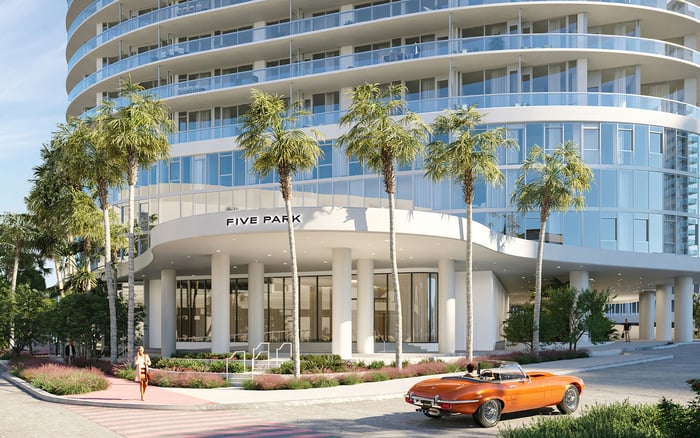
At 1000 Biscayne Boulevard, Miami, Florida 33132, One Thousand Museum advertises 24-hour security, specialized security and valet personnel, an on-site concierge, and professional management. Residence access is described through secure high-speed elevators with destination-entry smart technology. Vehicle and package handling form part of the advertised valet and doorman service model.
These are relevant foundations, not complete answers to household-control questions. A family office should establish whether elevator permissions can be limited to a particular visit, who authorizes them, and what record remains after entry. An integrated security and technology program does not, by itself, define those controls.
A July 2018 management appointment also described a dedicated Curator of Hospitality providing individualized attention, including for absent owners. Treat that as historical context. Confirm the current management team, whether an equivalent role exists today, and the precise scope of any absence-related service.
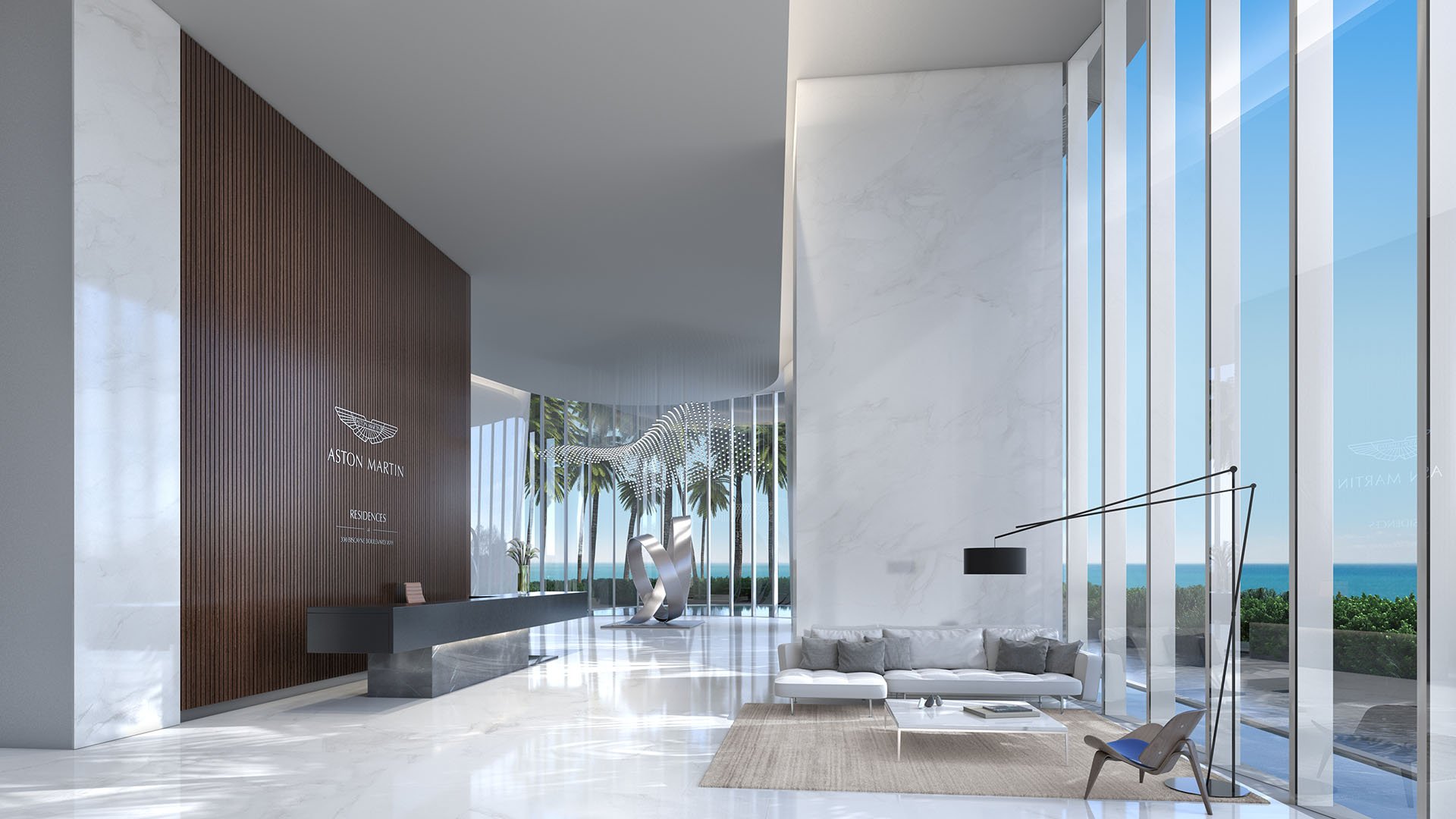
At 300 Biscayne Boulevard Way, Miami, Florida 33131, Aston Martin Residences advertises a full-service, hospitality-inspired offering with 24-hour concierge and valet parking. Its advertised vehicle services include covered-garage self-parking, electric-vehicle valet charging stations, and a Valet Butler service.
For an absent owner, the central question is who may release a vehicle-not simply who parks it. Request written procedures for approved drivers, identity verification, overnight handling, and retrieval records. A service title does not establish custody rules or authorization limits.
The residence offering also includes an advertised digital connection to concierge and amenities, alongside described smartphone or tablet controls for lighting, climate, and security. These features may support coordination, but account permissions, multifactor authentication, recovery procedures, and access-log availability require separate confirmation. Digital convenience is not verified remote oversight.
Before a prolonged absence, request the building's current registration and authorization forms. The family office, local representative, household property manager, and emergency vendors should each have an expressly defined role. Authority to coordinate an appointment should not silently become authority to admit additional workers or approve unrestricted access.
Build a proposed authorization matrix covering routine visits, urgent repairs, spending approvals, and emergency contact escalation. Ask management which instructions it can formally recognize and where building rules constrain the owner's preferences. A private household instruction is useful only if the people controlling entry can act on it.
Establish an expiration and revocation process as well. Confirm how changes to keys, fobs, elevator permissions, garage access, and any marina permissions are recorded. When a household employee or contractor leaves, credential withdrawal should be documented-not assumed to follow from the end of the relationship.
Test specific scenarios: a leak while the principal is overseas, an HVAC failure during an extended absence, an alarm, or storm-related access restrictions. Ask who may authorize entry, how identity is checked, what happens when the first contact cannot be reached, and how the incident is documented.
Request current life-safety and escalation procedures separately from routine concierge instructions. Where urgent building action may be necessary, clarify how management's authority interacts with owner authorization. Ask how the family office is notified and whether an entry record can be provided afterward.
Keep exceptional amenities outside the emergency plan until their operating status and procedures are confirmed. One Thousand Museum's earlier helipad description made use conditional on FAA and other governmental approvals. Aston Martin's advertised super-yacht marina facilities likewise do not establish emergency, guest, or vendor-access protocols. Neither should be treated as a verified contingency route.
A housekeeper, art installer, HVAC technician, and delivery crew may need different permissions. Request current requirements for licensing, insurance, background checks, work hours, loading, parking, elevator use, escorts, and waste removal. Confirm which requirements apply to each category; do not assume a single approval covers every visit.
Then distinguish building admission from work supervision. Ask whether anyone verifies the authorized scope, records arrival and departure, or accompanies the vendor inside the residence. If those duties fall outside building services, the household should assign them to its own representative.
Keys and fobs deserve particular attention. Request a clear account of custody, permitted duplication, temporary access, and revocation. The useful deliverable is not an assurance that vendors are familiar to staff. It is a written procedure identifying who approved access and how completion is recorded.
Package acceptance and vehicle handling can make ownership feel effortless, but both involve property custody. Confirm delivery acceptance limits, signature requirements, storage arrangements, release permissions, and record availability. Ask how sensitive or valuable deliveries should be handled during an extended absence.
Likewise, treat “24-hour” and “full-service” as advertised amenities, not contractual response guarantees. Request current staffing arrangements, escalation contacts, incident-reporting practices, and the scope of services outside ordinary hours. Determine which requests staff can fulfill and which require an owner-appointed professional.
For buyers comparing Branded Residences, the same written review should accompany a broader shortlist that includes Waldorf Astoria Residences Downtown Miami. That is a diligence standard, not an assertion that its operating procedures match either building reviewed here.
The distinction is not between security and hospitality. An absent household needs both, connected by clear authority. One Thousand Museum's advertised security and elevator infrastructure and Aston Martin's advertised concierge connectivity and vehicle services provide different starting points for that conversation.
Before committing, seek current written confirmation of authorized representatives, emergency entry, vendor requirements, credential custody, and incident communication. Have the family office and local household representative review those documents together and identify the responsibilities that remain with the owner. The stronger fit is the residence whose confirmed procedures align with the household's needs-not the one with the more expansive service vocabulary.
Explore South Florida residences with a more considered ownership perspective at MILLION.
If branded residences are on your mind — as a home or as an allocation — we would be glad to share what we are seeing, privately.
Begin a quiet conversationThe advertised services do not establish a winner. Compare current written procedures for delegated authority, emergency entry, vendor access, and incident communication.
Its advertised offering includes 24-hour security, specialized security and valet personnel, and secure high-speed elevators with destination-entry smart technology. Detailed access permissions still require confirmation.
It advertises 24-hour concierge and valet, covered-garage self-parking, electric-vehicle valet charging stations, and a Valet Butler service. Vehicle-release authorization procedures should be verified separately.
Obtain current registration forms and written authorization for the family office, local representative, household property manager, and emergency vendors. Define each party's responsibilities and permission limits.
They should clarify who can authorize entry, how identity is verified, how unreachable contacts are handled, and how entry is documented. Confirm current life-safety and notification procedures with management.
Request current licensing, insurance, background-check, work-hour, loading, parking, elevator, escort, and waste-removal requirements. Establish separately who supervises work inside the residence.
No. Its advertised digital connection and described smart-home controls do not establish user permissions, multifactor authentication, account recovery, or access-log availability.
No. An earlier description made helipad use conditional on FAA and other governmental approvals, so current availability and emergency-use procedures require confirmation.
No. The appointment and its described Curator of Hospitality role are historical context; current management and absence-related services should be confirmed.
No contractual response guarantee is established by the advertised amenities. Obtain current staffing, escalation, and service-scope details in writing.